 跳转到主要内容 跳转到页脚

B2B procurement teams often find that a “limited warranty” headline acts more as a liability cap than a protection plan. While a motor might carry a decade of coverage, the battery—accounting for 30% to 40% of total manufacturing costs—usually expires much sooner due to hidden usage triggers. Ignoring the warranty fine print leads to unexpected shipping costs and denied claims when expensive components fail under standard operational stress.
We examine the split between mechanical and energy storage durations, explaining how manufacturers use 10,000-cycle limits and a 70% State of Health (SOH) floor to define normal wear. This analysis covers the logistics of returning hazardous lithium-ion units and provides strategies for fleet managers to negotiate better terms, such as downtime recovery and residual coverage buffers.

The “Limited Warranty” Trap in Cordless Marketing
In 2026, cordless marketing often highlights multi-year durations that apply only to manufacturing defects while excluding batteries or high-wear parts. Manufacturers use these limited terms to shift shipping costs and maintenance compliance to the user, effectively capping long-term financial liability through cycle limits and tiered component coverage.
Distinguishing Manufacturing Defects from Operational Wear
Porter-Cable 12-month warranty terms specifically target defects in material and workmanship but exclude damage from erosion, corrosion, and typical operational wear. This distinction requires users to prove a failure resulted from a factory error rather than standard usage. Chicago Pneumatic adopts a similar strategy by splitting coverage durations between the tool and its power source. Their contracts offer 5 years of protection for tool bodies but restrict battery units to 3 years. These split terms allow brands to market a high headline number while the most expensive and volatile components expire much sooner.
Operational standards also serve as a gateway to warranty validity. Manufacturers often nullify coverage if users fail to meet specific requirements, such as the 90 PSI maximum air pressure limit for pneumatic equipment. Similarly, Automatic Trap Company excludes lures and CO2 accessories from their standard 2-year equipment protection. These exclusions ensure that the manufacturer remains insulated from the costs of consumables and environmental variables that impact tool performance over time. Users who ignore the technical specifications in the manual find their claims denied due to improper maintenance or installation.
Quantitative Cycle Limits and Auxiliary Component Tiering
Soltaro LiFePO4 contracts demonstrate how manufacturers use cycle counts to limit long-term liability. While the marketing may highlight a 10-year headline period, the legal agreement enforces a 10,000 cycle limit. If a user reaches that threshold before the decade ends, the warranty expires. This tiered approach also applies to high-tech auxiliary parts. LED screens, Wifi dongles, and energy meters typically carry 2-year lifetime restrictions, even when the primary battery cells carry longer protection. This structure prevents users from claiming full-term replacements for low-cost electronics that naturally fail faster than the battery chemistry.
Warranty remedies frequently favor the manufacturer’s financial exposure. Claims typically result in repairs or capacity-based refunds rather than new replacements, and these decisions remain at the manufacturer’s sole discretion. For B2B purchasers, the costs extend beyond the hardware itself. Most contracts require the buyer to bear all transportation charges for returning hazardous batteries for inspection. This logistics burden acts as a deterrent against small-scale claims, shifting the total cost of ownership and the risk of post-delivery deterioration back to the end user.
Analyzing Standard Exclusion Clauses (Consumables)
Most B2B agreements in 2026 limit consumable warranties to 60 or 90 days post-shipment. These clauses exclude normal wear and tear, improper storage, and performance yields, often restricting remedies to immediate replacement for units defective on arrival (DOA) rather than long-term functional support.
Consumable Timeframes and Conformance Standards
Manufacturers typically set a 90-day warranty window from the shipment date for most consumables. This timeframe ensures that components perform as expected during initial installation. Alternative two-month coverage periods apply post-delivery if the items conform to published technical specifications at the point of receipt.
Current standard practice ties warranty validity to expiration dates printed on packaging, specifically for chemical or medical-grade cleaning supplies. Suppliers limit remedies to a simple replacement or a refund of the original purchase price. This policy explicitly bars claims for consequential damages or lost revenue resulting from component failure.
Operational Triggers for Voiding Coverage
Exclusion clauses frequently name filters, light bulbs, and operator maintenance parts as items with no performance or yield guarantees. These fast-depleting components fall outside standard protection due to their unpredictable usage rates. Improper storage, unauthorized modifications, or the reuse of single-use items immediately void all warranty protections.
Contracts exclude coverage for parts used in extreme environments, such as high-vibration aircraft settings or nuclear facilities. These high-stress applications require specialized agreements separate from standard B2B terms. Supplies must pass validation tests before use, since failures resulting from upstream or downstream process deviations do not qualify for replacement.
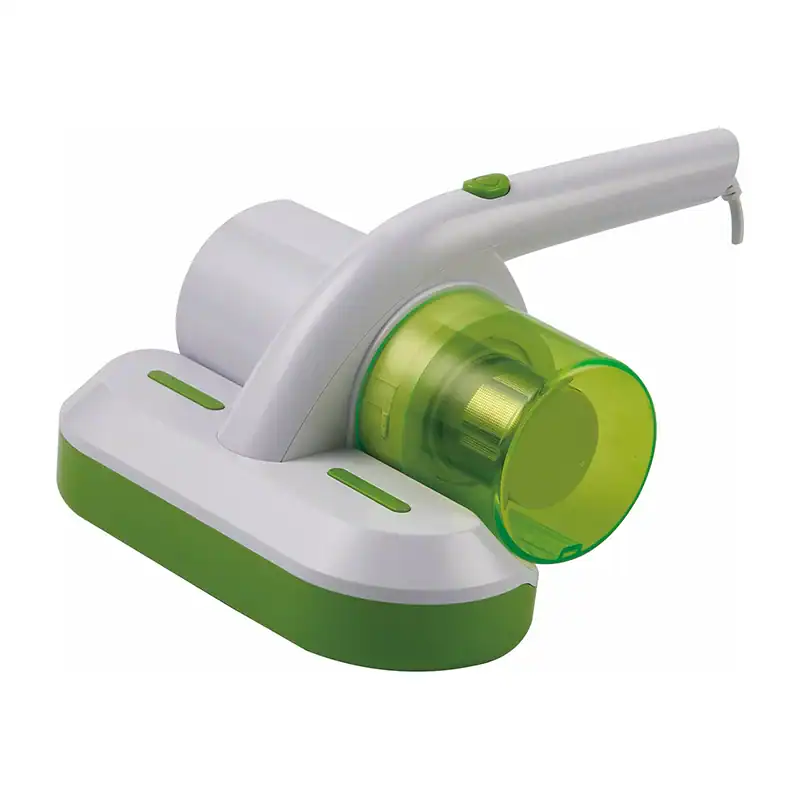
Motor vs. Battery: The Split Warranty Duration
Manufacturers split warranty terms because batteries represent 30% to 40% of total production costs. While mechanical motors often follow standard powertrain timelines, batteries receive extended 8-to-10-year coverage to meet 2026 global regulatory mandates and mitigate consumer risk regarding high-ticket component degradation.
| Manufacturer / Standard | Warranty Period | Mileage or Health Floor |
|---|---|---|
| Rivian | 8 Years | 175,000 Miles |
| Tesla Model 3 | 8 Years | 192,000 Kilometers |
| Hyundai / Kia | 10 Years | 100,000 Miles |
| EU / CARB Mandate | 8 Years | 160,000 Kilometers / 70% Capacity |
Financial Risk and Component Cost Allocation
Batteries account for 30% to 40% of a vehicle’s total manufacturing value. This concentration of financial weight forces a separation between motor and energy storage coverage. Manufacturers extend battery protection to 8 or 10 years to offset consumer fears regarding expensive replacement costs. Rivian uses this strategy to differentiate its products by offering mileage limits up to 175,000 miles, signaling long-term durability to the market.
Smaller specialized hardware like compressors or PCBs often follow a similar logic in commercial sectors. KelyLands equipment, for example, provides 18-month coverage for core components while the main unit carries only 12 months. This approach helps brands manage the high manufacturing exposure inherent in complex lithium-ion systems while remaining competitive in global markets.
Capacity Retention Floors and Regulatory Mandates
Regulatory bodies like the California Air Resources Board and EU Regulation 2023/1542 mandate a minimum 8-year or 160,000-kilometer floor for battery health. Most manufacturers define battery failure through a 70% capacity retention threshold. This engineering floor ensures the unit stays functional for its primary use case throughout the warranty period. It protects the consumer from gradual degradation that would otherwise render the vehicle impractical for daily use.
Coverage also protects integrated components like the battery management system (BMS) and thermal cooling loops to prevent architecture-wide failures. Energy storage standards for 2026 now focus on 10,000-cycle design limits. This represents a massive leap from the 1-to-3-year lifespan of traditional lead-acid batteries, which typically only represent 5% to 15% of a vehicle’s total value.
Scale Your Brand with High-Performance Custom Vacuum Solutions

“Normal Wear and Tear”: Defining Battery Degradation
Industry standards define normal wear as a 1% to 3% annual loss in lithium-ion capacity under standard use. Most warranties exclude coverage unless capacity drops below 70% of the original State of Health (SOH) within a specific timeframe, classifying all retention above this threshold as expected chemical aging.
| Battery Chemistry | Annual Capacity Loss | Standard Warranty Threshold |
|---|---|---|
| Lithium-ion (ESS) | 1% – 3% | 70% SOH (8–10 Years) |
| Lead-Acid | 4% – 6% | 80% Capacity Benchmark |
| Electric Vehicle (Industry Avg) | 1.8% – 2.3% | 70% SOH (160,000 km) |
Annual Capacity Loss and Decay Patterns
Lithium-ion batteries in energy storage systems and portable industrial tools show a baseline annual capacity loss of 1% to 3% when operated under standard conditions. Lead-acid batteries degrade faster, with typical annual reductions ranging from 4% to 6%. These percentages provide a quantitative benchmark for B2B buyers to distinguish between expected chemical aging and actual hardware defects.
Data from large-scale studies reveals that degradation follows a non-linear path. Capacity often drops more sharply during the first two years of service as the battery chemistry stabilizes. After this initial phase, the rate of decay typically reaches a plateau, providing several years of predictable performance before the battery nears its end-of-life stage.
State of Health (SOH) and Warranty Thresholds
Manufacturers establish the 70% State of Health (SOH) mark as the engineering consensus for acceptable degradation within the first 8 to 10 years of service. This metric represents the remaining useful life relative to the battery’s original capacity. As long as a battery maintains a SOH above this 70% limit, the industry classifies the loss as normal wear and tear rather than a warrantable failure.
Technical factors such as temperature and discharge depth determine the speed of this wear. Operating batteries outside the optimal 15°C to 35°C range accelerates chemical instability and often disqualifies degradation claims. Additionally, manufacturers use internal Battery Management Systems (BMS) to track usage history. Frequent 100% discharge cycles cause more structural strain than 10% cycles, and logs of these events help determine if degradation resulted from normal use or abusive cycling patterns.
Corded Warranty Simplicity: Bumper-to-Bumper Coverage
Corded vacuum warranties provide a stable two-year protection period for household use, covering both parts and labor at no cost. This bumper-to-bumper approach includes prepaid ground shipping for valid claims, though it excludes consumable components like belts and filters.
Standard Coverage Durations and Household Terms
Simplicity provides a two-year limited warranty for standard household vacuum applications. This duration offers a longer safety net than their cordless options, reflecting the inherent durability of corded designs. If you use the machine for commercial or professional work, the manufacturer limits the coverage period to one year. The policy covers all defects in material and workmanship during normal operation according to the owner’s manual. You must keep the original purchase record because the manufacturer does not allow warranty transfers to subsequent owners.
Service Logistics and Consumable Exclusions
The service process includes zero-cost labor and replacement parts during the active coverage window. For eligible claims, the company pays for ground freight and reshipment to reduce the owner’s total expense. But this protection excludes wear-and-tear items like belts, filters, and brush strips, which require periodic replacement. Using non-genuine parts or making unauthorized modifications will void the coverage. Sticking to official parts and authorized service centers ensures the warranty remains valid for the full term.
Claim Process: Shipping Hazardous Batteries for Return
Returning hazardous lithium-ion batteries requires strict adherence to UN3480 or UN3481 standards, including a state of charge (SoC) below 30% and UN-approved packaging. Shippers must provide UN38.3 test summaries and follow DOT 49 CFR or IATA DGR labeling protocols to avoid legal penalties and ensure safe transport.
Classification and Safety Testing Requirements
Shipping regulations categorize lithium-ion batteries based on their configuration and potential risk. UN3480 applies to standalone batteries, while UN3481 covers batteries packed with or contained within equipment. Every battery intended for return must possess a UN38.3 certification, which involves eight distinct safety tests. These simulations include thermal cycling from -40°C to 75°C, vibration, shock at 150G, and external short circuit tests to confirm the battery remains stable under transport stresses.
Technical standards for air transport mandate a State of Charge (SoC) at or below 30% to mitigate the risks of thermal runaway. While small cells under 5g or batteries under 25g might meet specific exemption criteria, most power tool or electric vehicle batteries fall under full Class 9 dangerous goods regulations. Shippers must verify these weight thresholds and certifications before initiating the return to ensure the carrier accepts the package.
Packaging Standards and Documentation Compliance
Federal regulations under DOT 49 CFR §173.185 require UN-approved rigid outer packaging for all hazardous battery shipments. This packaging must withstand a 95 kPa pressure drop and protect against physical shocks. Shippers must use non-conductive dividers and terminal caps to prevent external short circuits during transit. Proper internal stabilization ensures the battery does not shift, which could lead to mechanical damage or venting.
Legal transit requires accurate labeling and paperwork. Each package must display Class 9 hazard labels and, for air shipments, include a Shipper’s Declaration for Dangerous Goods (DGD). If the battery exceeds specific watt-hour ratings, the package also requires “Cargo Aircraft Only” markings. Keeping UN38.3 test summaries on file allows shippers to provide necessary safety data to carriers like FedEx or UPS during the audit process, ensuring the return complies with both PHMSA and IATA DGR standards.
Negotiating Better Terms for B2B Fleets
In 2026, B2B fleet operators secure better terms by leveraging purchase volume to negotiate downtime recovery payments and six-month residual coverage buffers. Effective negotiations focus on reducing per-vehicle extended warranty costs to roughly $300 while integrating maintenance software to track claim ROI and ensure strict procedural compliance.
Leveraging Asset Volume for Downtime and Residual Value
Fleet managers use total asset volume as leverage to negotiate daily downtime recovery payments, which offset financial losses when vehicles remain out of service. To maximize resale value, secure a warranty buffer that lasts at least six months beyond the planned trade-out cycle, ensuring secondary buyers receive protected assets. Most operators target a price point of $300 per vehicle for extended coverage by bundling multiple assets under preferred supplier status. Defining 12-to-24-month minimum service periods within lease agreements further stabilizes fleet utilization and ensures warranty applicability throughout the vehicle’s primary duty cycle.
Integrating Maintenance Software for Claim Compliance
Linking warranty expiration dates with real-time mileage and usage data requires software like TMT Fleet Maintenance or similar platforms. This integration prevents missed claims by alerting staff before coverage lapses. To minimize rejection rates, establish standardized submission protocols that require serial numbers, manufacture years, and photo documentation for every failure. Tracking total claim recoveries against the initial $300 investment per vehicle allows teams to validate the ROI of extended coverage plans. Managers must also verify that core components like compressors or PCBs maintain 18-month coverage terms, even in high-duty B2B environments, to protect against premature mechanical failures.
Final Thoughts
Navigating the gap between headline marketing and legal contracts requires a close look at component tiering. Savvy buyers evaluate whether a long-term guarantee covers the entire machine or just the motor housing. Focusing on specific capacity floors and cycle limits protects an investment from premature expiration. Corded equipment maintains a simpler bumper-to-bumper model, but cordless units demand more attention to the technicalities of chemical aging.
Fleet operators reduce financial risk by integrating maintenance software that flags expiration dates before failures happen. These tools transform raw usage data into evidence for warranty claims, particularly when navigating the 70% health threshold required for battery replacements. Managing the logistics of hazardous returns adds a layer of complexity, yet securing downtime recovery payments and residual coverage buffers stabilizes long-term expenses. Professional teams treat the warranty as a negotiable asset rather than a static document.
Frequently Asked Questions
Do vacuum warranties cover battery failure?
Standard warranties cover batteries against original manufacturing defects and material workmanship. These agreements almost always exclude capacity loss or reduced discharge time caused by chemical aging and frequent use.
How long is the standard warranty for cordless vacuum batteries?
Leading brands like Dyson typically provide a two-year warranty for cordless batteries. Corded models often feature five-year coverage because they lack the high-wear components found in lithium-ion power packs.
What common mistakes will void a vacuum warranty?
Using a household vacuum for liquid spills, construction debris, or plaster dust typically voids the agreement. Other triggers include purchasing from unauthorized third-party sellers or failing to provide an original proof of purchase.
Is ‘normal wear and tear’ covered under the limited warranty?
No. Most manufacturers exclude parts that naturally degrade, such as HEPA filters, brush bars, and drive belts. Battery degradation is also categorized as wear and tear once the initial defect period expires.
How do commercial B2B warranty terms differ from retail policies?
B2B suppliers like KelyLands often provide specific protection periods, such as a 12-month full-unit warranty combined with 18-month coverage for critical electronic components like PCBs or compressors.

 English
  Español
  Français
  Deutsch
  Português do Brasil
  Русский
  한국어
한국어  日本語
日本語  العربية