 跳转到主要内容 跳转到页脚

Commercial cleaning operations lose money when equipment runtime fails to match the scale of the property. Accuracy in bidding depends on translating raw battery specs into actual area coverage, especially as labor costs and client expectations rise for upcoming service contracts.
We examine the technical metrics that dictate performance, comparing the 150–250 Wh/kg energy density of Li-ion cells against legacy power sources. This analysis also defines industry standards for work units—where a single unit typically consists of one to two panes—and evaluates how fast-charging protocols influence total daily output.
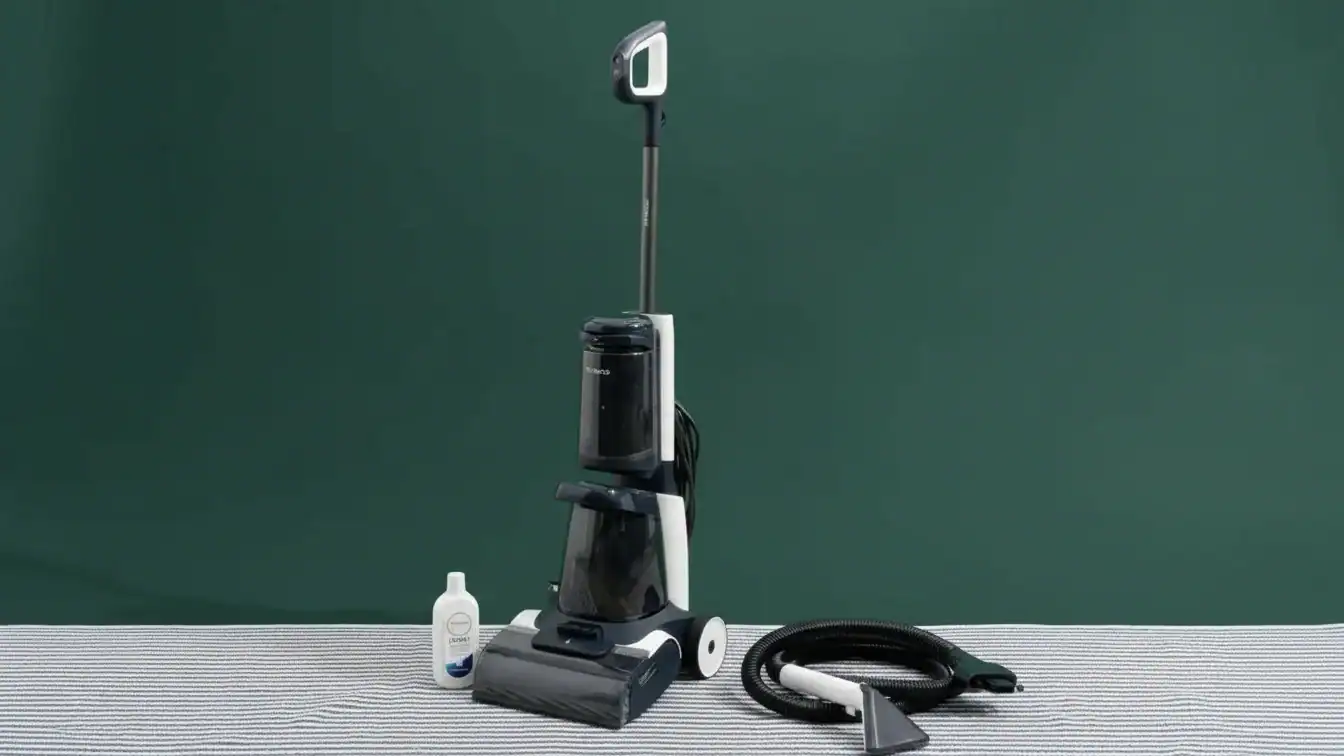
Battery Tech: Li-Ion vs. Ni-MH
Li-ion batteries provide roughly double the energy density of Ni-MH, ranging from 150 to 250 Wh/kg. For KelyLands portable vacuums and air pumps, this translates to longer runtimes and lighter builds. Li-ion also excels with a low 5% monthly self-discharge rate and 1–3 hour fast charging, whereas Ni-MH requires 10–12 hours for a full charge.
Energy Density and Voltage Configuration
Gravimetric energy density for Li-ion reaches 150–250 Wh/kg, which significantly exceeds the 60–120 Wh/kg range found in Ni-MH cells. Li-ion cells operate at a nominal 3.6–3.7V, while Ni-MH cells provide only 1.2V. This voltage difference means Ni-MH packs require three times as many cells to reach the same electrical potential as a Li-ion equivalent.
Volumetric density for Li-ion averages 250–670 Wh/L, allowing engineers to create compact designs for handheld car vacuums and portable mini fridges. These higher energy-to-weight ratios enable cleaning equipment to cover more floor area without increasing the physical burden on the user.
Maintenance Cycles and Service Longevity
Li-ion batteries support fast charging in 1–3 hours. Standard Ni-MH packs typically require 10–12 hours to maintain cell health and prevent overheating. Standard Ni-MH cells lose up to 50% of their charge in the first month of storage, but Li-ion maintains 95% or more of its capacity over the same period.
Cycle life for Li-ion often extends to 1,500 cycles, and professional-grade tools frequently carry a five-year service specification. Li-ion also maintains stable output voltage across a wide temperature range. This stability ensures consistent suction power and air pump performance in varying climates.
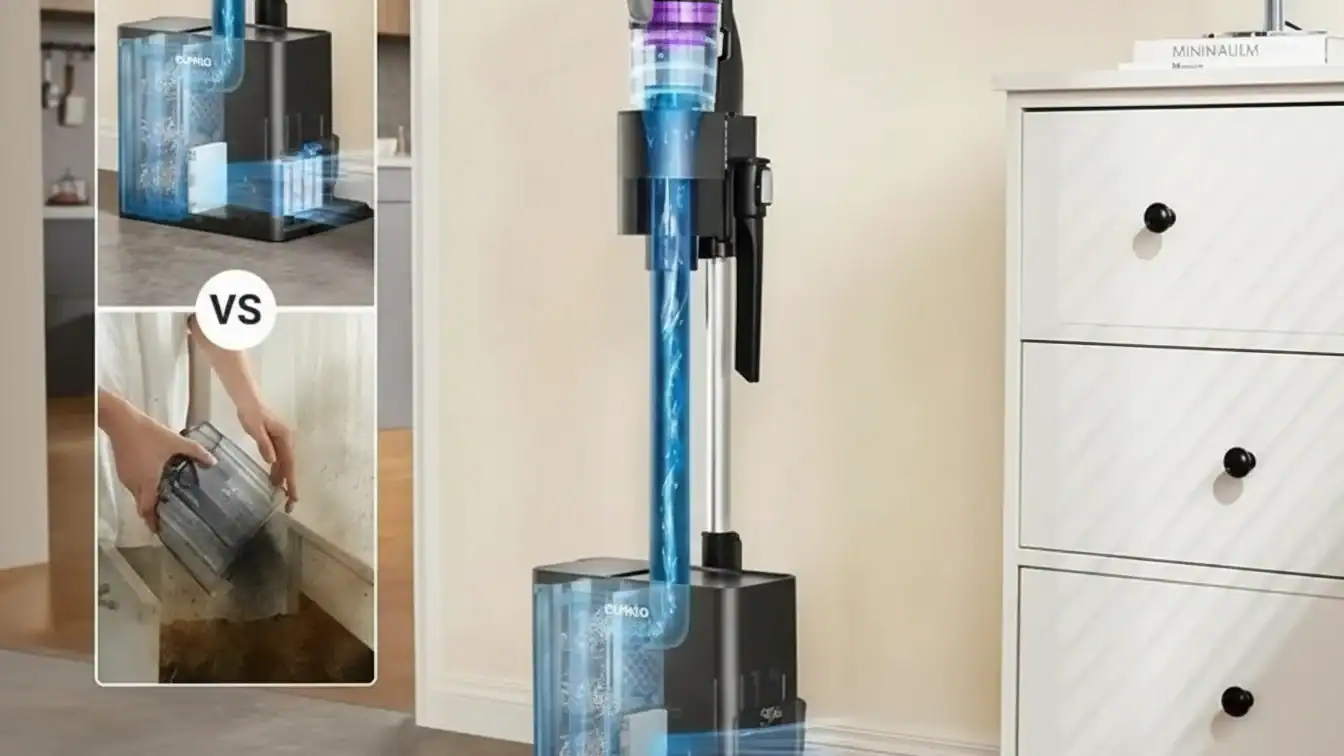
Defining “One Window”: Standardizing the Metric
The industry standardizes ‘one window’ as a single framed glass unit or a basic two-pane set, such as a double-hung or sliding window. This definition focuses on the cleaning effort per pane, where large picture windows or complex French panes count as multiple units to reflect the increased labor and time requirements.
| Window Configuration | Unit Equivalent | Labor Impact |
|---|---|---|
| Double-Hung / Slider | 1 Window | 1-2 panes sharing a single frame. |
| Picture Window (Large) | 2-4 Windows | Based on surface area (typically 4ft+). |
| French Panes / Grids | Base + Add-on | +$0.50 per individual grid segment. |
| Glass Doors | 1 Window each | Treated as individual work units. |
Core Units and Pane-Based Logic
A single basic window unit consists of one to two panes of glass, which is typical for fixed or double-hung styles where one pane might be stationary. Professional estimators count sliding window sets as one unit despite the presence of two distinct glass surfaces because they share a common frame and require similar setup time. This logic prevents overcounting that might otherwise inflate service quotes for 2026 contracts.
Professional counting systems rely on the “pane definition” to maintain bidding consistency. This standard identifies any individual piece of glass fully surrounded by a frame as a primary work unit. During site walks, technicians use hash-mark counts to categorize windows by floor level and accessibility. This systematic approach ensures that the bidding process remains repeatable and accurate across various architectural layouts and property types.
Complexity Adjustments for High-Detail Glass
Divided lights and French panes involve significant extra labor compared to clear, open glass. Technicians often apply a surcharge of approximately $0.50 per pane segment to the base window rate to account for the detailed squeegee work required within the grids. This ensures the pricing reflects the time-intensive nature of detailing small, individual glass segments within a larger window frame.
Large picture windows exceeding four feet in any direction represent two to four standard window equivalents based on total surface area. Estimators treat glass doors as individual units regardless of whether they are sliding or hinged. For multi-pane configurations like 6/6 double-hung styles, the total cost includes the base rate plus the additional fee for each internal grid. This tiered pricing model ensures that runtime and area coverage estimates remain profitable while providing transparency for clients.
Swappable Batteries: The Commercial Solution
Commercial swappable batteries utilize LiFePO4 chemistry to deliver 1.0–1.5 kWh of energy with cycle lives reaching 2,000–5,000 charges. By enabling 3-minute pack exchanges, these systems allow mobile equipment to operate continuously, bypassing traditional recharge downtime and ensuring square-foot coverage is only limited by the number of available packs.
| Battery Model | Energy Capacity | Technical Standard |
|---|---|---|
| Green Cubes Industrial (1000) | 1,040 Wh (52.0 V) | IP65 / 40A Pulse Output |
| Bretford 1024 Swappable | 1,024 Wh (LiFePO4) | 2,000 Cycles / 28 lb Weight |
| Vanguard Si 1.5 kWh | 1,510 Wh (48 V) | IEC 61960 / CAN J1939 |
LiFePO4 Chemistry and the Hot-Swap Advantage
Lithium iron phosphate (LiFePO4) chemistry serves as the primary power source for commercial swappable packs because of its stability and high cycle count. These systems provide 2,000 to 5,000 cycles, which significantly exceeds the 500 to 1,500 cycles found in standard lithium-ion packs. This durability ensures that the total cost of ownership remains low for fleet operators who require daily, high-intensity equipment use.
Hot-swappable architectures support manual or automated battery exchanges in approximately 3 minutes. This capability facilitates 24/7 equipment utilization by removing the need for a machine to remain stationary during charging. System designs often incorporate dual-battery layouts or parallel configurations to maintain power to the electronics while a swap occurs. This logic converts runtime from a fixed limitation into a logistics variable, where square-foot coverage depends on pack inventory and charger throughput rather than plug-in time.

Commercial Pack Specifications and Industrial Ratings
Standardized swappable solutions like the Vanguard 48V Si 1.5 offer 1.51 kWh of capacity and comply with IEC 61960 standards for secondary lithium cell performance. High-output units support the rigorous demands of industrial cleaning, with some models handling 20A continuous discharge and 40A pulses to drive heavy vacuum motors. Rapid charging further optimizes the equipment-to-battery ratio; a 1,425 W charger can return a Vanguard pack to 100% capacity in just 75 minutes.
Environmental resilience is critical for cross-industry applications. IP65 and IP67 ratings enable reliable operation in environments ranging from -40°C to +60°C, making these batteries suitable for both refrigerated warehouses and outdoor construction sites. Integrating CAN J1939 communication protocols allows the Battery Management System to provide precise state-of-charge data and runtime predictions. These technical insights help operators manage swap schedules effectively, preventing unexpected power loss during a shift.
Scale Your Brand with High-Performance Custom Vacuum Cleaners

Charging Time: USB-C Fast Charge
USB-C fast charging utilizes Power Delivery (PD) 3.1 protocols to negotiate up to 240W of power. This standard enables high-speed energy transfer, allowing compatible smartphones to reach 50% capacity in 15 to 30 minutes while maintaining safety through dynamic voltage scaling.
Power Delivery Protocols and Dynamic Voltage Scaling
USB Power Delivery (PD) 3.1 standards support power levels from 15W to 240W using 48V/5A configurations. Intelligent algorithms within the 24-pin connector negotiate voltage profiles including 5V, 9V, 12V, 15V, and 20V based on real-time battery needs. This communication ensures the charger provides the exact wattage required by the connected hardware.
The system maximizes current at low battery percentages and tapers output as the device nears full capacity to protect cell longevity. These PD-enabled ports provide up to 20 times the power potential of legacy USB-A 12W fixed-output chargers, allowing for much more efficient energy transfer in automotive environments.
Performance Benchmarks and Hardware Efficiency
Samsung S20+ and iPhone 14 Pro models achieve a 50% charge in approximately 26 to 30 minutes using PD 3.0 adapters. Gallium Nitride (GaN) components boost charger efficiency to over 95%, which significantly reduces heat generation in compact portable power banks and vehicle adapters.
USB-C cables rated for 5A capacity deliver a 70% efficiency improvement over standard 2.4A cables according to USB-IF specifications. High-end laptops and workstations utilize PD 3.1 to reach an 80% charge in roughly 90 minutes through 100W+ charging tiers, providing enough power for resource-heavy applications on the go.
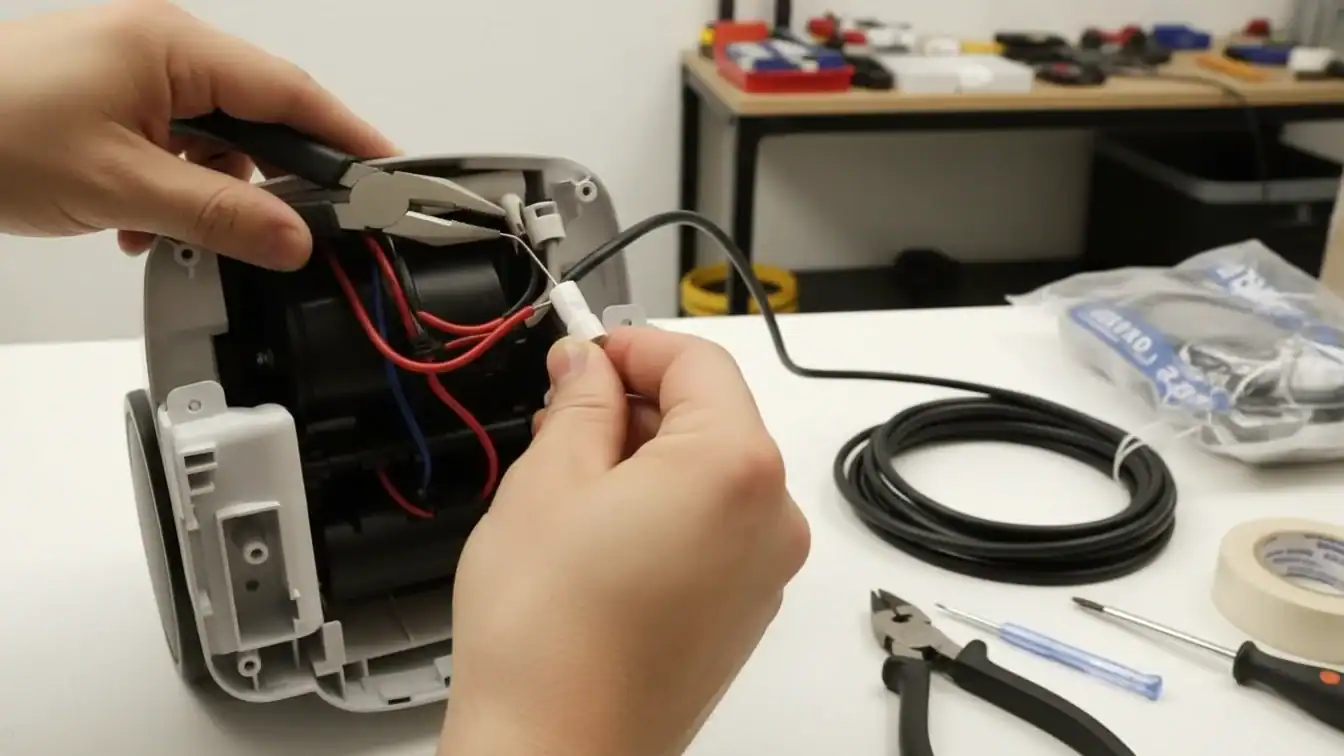
LED Indicators: Knowing When to Stop
LED indicators provide visual status alerts using low-voltage activation between 3V and 24V. These components track runtime limits and maintenance needs based on L70 lifespan metrics, ensuring operational safety through consistent visual feedback once output drops to 70% of initial levels.
Status Monitoring and Reliability Metrics
LED interfaces operate within specific low-voltage ranges, including 3V, 5V, 12V, and 24V, to provide real-time fault signaling. Engineers use L70 and B50 reliability benchmarks to identify the moment light output degrades by 30%, signaling the end of the component’s peak utility. This technical threshold prevents overdrive failures by establishing clear runtime limits. New platforms undergo 1,000-hour continuous burn-in testing to detect early manufacturing flaws before deployment. Additionally, manufacturers offer customization for interface layouts and digital display integration to monitor efficacy benchmarks, which often range from 50 lm/W for smaller units to 120 lm/W for advanced industrial systems.
Compliance Standards and Environmental Durability
Long-term reliability depends on rigorous IES LM-80 and LM-84 testing conducted at case temperatures of 55°C and 85°C. These tests allow for TM-21 projections that estimate indicator lifespans between 20,000 and 50,000 hours. For applications in harsh environments, IP65 and IP67 ingress protection ratings ensure resistance to dust and short-term water immersion. Safety protocols also include IEC 62471 photobiological classifications, which categorize optical hazard levels from Exempt to Group 3 based on emission limits. Compliance with UL, CE, and RoHS standards further ensures that these indicators meet essential regulatory safety requirements for commercial and industrial use.
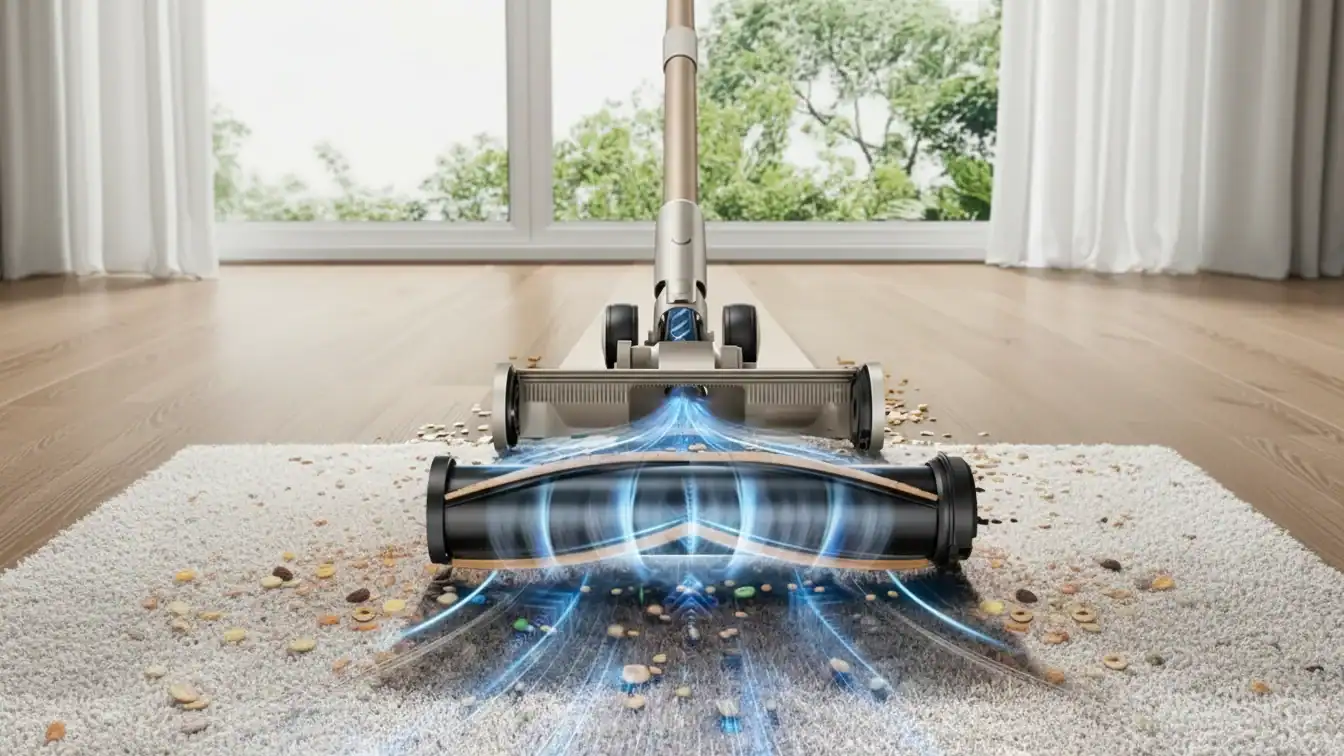
Final Thoughts
Selecting the right power source and metric directly impacts the speed and cost of window maintenance. Li-ion technology offers the weight reduction and energy density necessary for portable tools, while LiFePO4 packs provide the durability required for continuous commercial shifts. Establishing a consistent ‘one window’ standard allows teams to calculate exactly how much glass a single charge can handle, preventing bidding errors and underpowered equipment choices.
Technicians gain better control over their workflow when they pair these battery standards with smart charging protocols and reliable LED feedback. Relying on USB-C PD 3.1 for quick power boosts or using hot-swappable batteries keeps operations moving without long breaks. This data-driven approach to efficiency ensures that every charge translates into measurable surface area coverage, regardless of the property’s architectural complexity.
Frequently Asked Questions
What is the typical cleaning coverage area per full charge?
Industry standards for cleaning coverage range from 80 to 140 m² on hard floors when operating in quiet mode. Navigation efficiency and battery capacity determine the final range. High-performance models reach up to 202 m² over a 143-minute cycle.
Are batteries in these units swappable for continuous operation?
Most current models feature non-removable batteries. Manufacturers prioritize recharge-and-resume features over hot-swappable packs. No industry mandate currently requires standardized removable battery units.
Do these devices support universal USB-C charging?
USB-C is not a universal standard for high-power vacuum systems. Most units rely on proprietary Li-ion docks, typically rated at 14.4V and 45W, to ensure consistent power delivery and safety.

 English
  Español
  Français
  Deutsch
  Português do Brasil
  Русский
  한국어
한국어  日本語
日本語  العربية