 跳转到主要内容 跳转到页脚
Retailers and distributors in the home appliance sector face a shift in consumer behavior where pet welfare now dictates purchasing decisions. Research indicates that 70% of dogs suffer from noise sensitivity, often experiencing a neurological survival instinct that fires “attack neurons” when they encounter loud, fast-moving vacuums. These devices frequently emit ultrasonic frequencies above 20 kHz that remain silent to human ears but spike cortisol and heart rates in pets, turning a routine chore into a perceived predatory threat.
We examine the engineering requirements for effective pet anxiety solutions, specifically focusing on soft-start motors that utilize thyristor-based control to reduce initial inrush currents by up to 80%. This guide also details how sourcing products with dampened sound profiles allows brands to tap into the “fur-baby” parent demographic, which currently drives the pet anxiety market toward a projected $3.1 billion valuation.
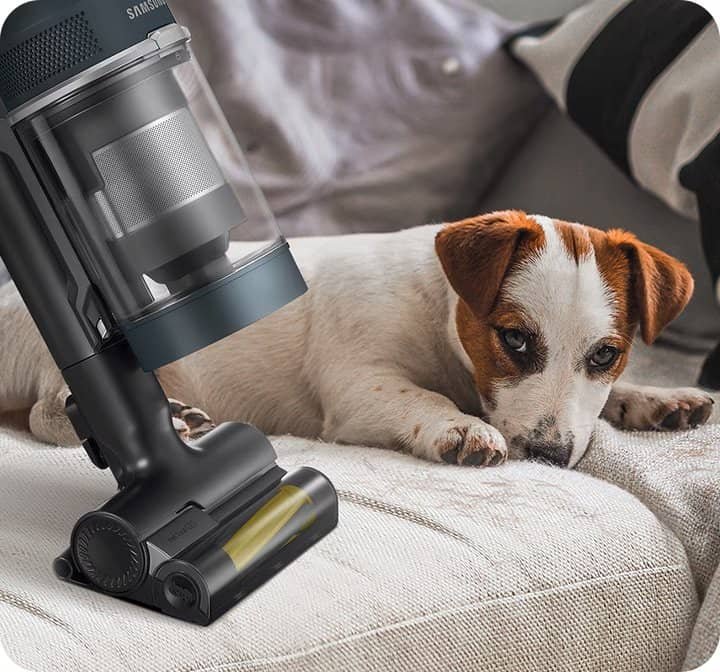
Why Dogs Attack Vacuums: It’s Pain, Not Anger
By 2026, research confirms that dogs attack vacuums due to fear-based defensive aggression rather than anger. The amygdala fires ‘attack neurons’ in response to sudden loud noises and rapid movement, triggering a survival instinct. This process spikes cortisol and heart rate, causing the dog to treat the household appliance as a legitimate predatory threat.
| Biological Marker | Neurological Trigger | Physiological Impact |
|---|---|---|
| Cortisol & Blood Glucose | HPA Axis Activation | Extreme stress and “red zone” panic behaviors. |
| Vasopressin Concentrations | Amygdala “Attack Neurons” | Immediate defensive aggression and biting. |
| Visual Evoked Potentials | Rapid Motion Stimuli | Perception of the vacuum as a high-speed threat. |
Amygdala Activation and Defensive Survival Instincts
The amygdala fires “attack neurons” when dogs encounter novel threats like vacuum cleaners. This neurological event bypasses rational thought and forces the dog into a state of defensive aggression. Research links these aggressive responses to higher vasopressin concentrations in the canine brain, a chemical that regulates social and defensive behavior. Because canine visual systems process stimuli faster than humans, dogs perceive the rapid, erratic movement of a vacuum as a high-speed predatory threat. Continued exposure to loud household noises without proper acclimation sensitizes the amygdala and reduces the dog’s threshold for future aggressive outbursts.
Noise Sensitivity and Physiological Stress Markers
Sudden noises trigger the sympathetic adrenal medullary axis, resulting in immediate spikes in heart rate and blood pressure. Statistical data reveals that extreme fear reactions become significantly more likely when vacuums emit high-frequency beeping sounds or mechanical whirring. This fear-elicited aggression raises blood glucose and cortisol levels through the hypothalamic-pituitary-adrenal cortex axis. These appliances often create unrecognized stress that depletes a dog’s physiological reserves, eventually pushing the animal into “red zone” panic behaviors where they feel forced to fight the machine to survive.
Ultrasonic Frequencies: What Humans Can’t Hear
Humans generally hear frequencies up to 20 kHz, but many household appliances emit ultrasonic noise above this threshold. While adults often lose sensitivity beyond 15 kHz, pets perceive these higher frequencies clearly, leading to significant sensory stress when devices operate at sound pressure levels above 80 dB.
The 20 kHz Boundary and Human Auditory Limits
Standard human hearing spans from 20 Hz to 20,000 Hz. Biological aging typically restricts adult perception to a narrower ceiling of approximately 15-17 kHz. This natural decline creates a sensory gap where sounds remain audible to children and pets but disappear for older adults.
Ultrasonic frequencies start strictly above the 20 kHz mark. The 10-20 kHz range serves as an extended high-frequency band that significantly impacts sensitive groups. Infants and domestic animals retain high sensitivity in this zone, making them vulnerable to noises that adults cannot perceive.
Vacuum motors frequently produce high-pitched harmonics within the 14-17 kHz range. These emissions often escape adult human detection while remaining fully audible to dogs and cats. This discrepancy explains why household pets often exhibit signs of distress or agitation when specific appliances are running.
Sound Pressure Levels and High-Frequency Exposure Risks
Occupational health standards identify specific risks when sound pressure levels exceed 80 dB within the 10-16 kHz frequency bands. Exposure at these decibel levels leads to measurable hearing loss over time. High-frequency noise exerts significant mechanical stress on the auditory system even when the sound feels faint to the operator.
Prolonged exposure to high-frequency emissions triggers a permanent threshold shift of approximately 1 dB per year within the 14-17 kHz range. This acceleration of hearing loss persists in environments where machines operate without adequate high-frequency damping. Monitoring these specific bands helps prevent long-term auditory damage.
Non-auditory physiological effects occur even if the primary frequency remains technically inaudible. Users often report fatigue, nausea, and tinnitus following extended exposure to high-frequency equipment. These subclinical symptoms indicate that the body reacts to ultrasonic energy regardless of whether the brain registers a conscious sound.
Soft Start Motors: Preventing the “Sudden Roar”
Soft start motors use thyristor-based control to ramp voltage gradually, reducing initial inrush currents by up to 80%. This technology replaces the sudden mechanical ‘roar’ and torque fluctuations with a controlled acceleration, preventing the abrupt acoustic shocks that startle sensitive animals.
| Soft Start Parameter | Technical Specification | Impact on Noise Profile |
|---|---|---|
| Inrush Current Reduction | Up to 80% | Eliminates the sharp 10x decibel spike at ignition. |
| Initial Voltage Ramp | 30-50% Reduction | Gradual acceleration prevents mechanical “roar.” |
| Current Limit Range | 300% – 1000% | Allows customized, non-aggressive power-up sequences. |
| Protection Trip Time | 0 – 10 Seconds | Mitigates humming caused by phase imbalances. |

Eliminating Inrush Currents and Mechanical Shock
Standard vacuum motors often experience a sudden surge that results in a loud mechanical “clunk” or “roar.” Soft start mechanisms reduce inrush current by up to 80%, which stops the immediate high-decibel spike common during startup. By smoothing this transition, the vacuum reaches its operating speed without the sharp acoustic transients that trigger fight-or-flight responses in pets. This controlled approach replaces erratic power surges with a linear increase in energy.
Gradual torque ramping also removes the noise caused by DC components and sudden mechanical vibrations. Symmetric three-phase current distribution maintains uniform speed profiles, ensuring the motor does not stutter or fluctuate. Polarity balancing and multi-frequency control further stabilize the system, maintaining quiet operation even when the vacuum runs at less than half of its total voltage capacity.
Thyristor Control and Voltage Ramping Parameters
Thyristor (SCR)-based systems manage the power-up sequence by reducing initial voltage by 30% to 50% during the startup phase. Adjustable ramp times and current limits between 300% and 1000% allow engineers to customize how quickly the motor reaches full power. These settings ensure the motor builds speed predictably, avoiding the unpredictable noise patterns that often distress sensitive animals. The technology essentially stretches the “startup” sound over several seconds to lower the peak volume.
Bypass contactors engage once the motor reaches its target speed to shunt the SCRs. This transition maintains energy efficiency and reduces heat-related electrical noise. Closed-loop firing circuits provide noise immunity and protect against phase imbalances, which prevents the low-frequency motor humming that can persist throughout a cleaning session. These technical protections maintain a consistent acoustic environment that feels safer for pets.
Scale Your Brand with Custom High-Performance Vacuums

The “Treat Test”: Acclimatizing Pets to Quiet Vacuums
The Treat Test pairs low-decibel vacuum sounds with high-value rewards to shift a pet’s emotional response from fear to positive anticipation. Success relies on a minimum 48-hour acclimation period and maintaining noise levels below 75-82dB to prevent sensory overload and cortisol spikes.
Psychology of Noise Exposure and Positive Reinforcement
Counter-conditioning uses high-value treats to rewire a pet’s instinctive fear response into reward-seeking behavior. Vacuum motors that operate under 75dB facilitate this transition by keeping auditory stimuli below the animal’s panic threshold. Standard upright models often exceed this limit, causing sensory overload that overrides the influence of positive reinforcement. Low-vibration technology further aids this process by minimizing the mechanical vibrations felt through floor surfaces before the sound even reaches the pet’s ears. We initiate these sessions with the vacuum turned off, establishing a neutral baseline through visual exposure before introducing motor noise.
Acclimation Timelines and Environmental Control Standards
Veterinary research indicates that cats require a minimum two-day acclimation period and dogs require one day to stabilize physiological responses to new environmental stimuli. Active monitoring of the training area should include stable relative humidity and temperature to ensure the animal remains in a low-stress state. Lab animal facility standards recommend isolating high-noise equipment from primary living areas to prevent chronic stress and behavioral variability. We apply gradual distance reduction protocols by starting the vacuum in an adjacent room and moving it closer over three to five days as the pet demonstrates consistent calm.
Marketing to the “Fur-Baby” Parent
Modern pet owners view dogs as family members, shifting demand toward products that prioritize animal emotional health. This ‘fur-baby’ parent demographic drives a massive calming market, choosing quiet appliances and tech-enabled anxiety solutions to maintain a stress-free home environment for their pets.
Psychological Drivers and Pet Humanization Trends
The transition of pets from outdoor animals to integral family members reshapes how consumers evaluate household technology. Buyers prioritize welfare-first product designs, specifically seeking items that mitigate animal stress during routine domestic activities like cleaning. Marketing strategies that highlight reduced decibel levels or quiet-running motors align with this emotional bond, as noise sensitivity affects over 70% of dogs. Owners look for non-pharmaceutical interventions to manage household triggers, viewing noise reduction not just as a human convenience, but as a critical animal health feature.
Market Projections and Technology Integration in 2026
The global pet anxiety solutions market maintains a steady climb toward a USD 3.1 billion valuation by 2032, with dog-specific products representing over 52% of the sector. This growth responds to research indicating that a vast majority of the canine population displays significant sensitivity to environmental sounds. Technical innovations prioritize passive evaporation pheromone diffusers capable of covering 700 square feet for 30 days without requiring electricity. Melatonin-based products currently hold a 27% revenue share, while AI-driven wearables monitor vital signs in real-time. These integrations allow owners to manage urban stressors through data-backed behavioral interventions and science-backed ingredients like alpha-casozepime or L-tryptophan.
Final Thoughts
Pet owners are moving away from traditional, loud cleaning tools and toward designs that respect animal biology. Choosing vacuums with soft-start motors and dampened ultrasonic output lowers the physiological stress that usually triggers a dog’s flight-or-fight response. These engineering choices transform a once-terrifying appliance into a manageable part of the household routine.
The focus on pet emotional health is driving a new standard for home maintenance. Manufacturers now face pressure to build products that accommodate the sensitive hearing and high stress levels of domestic animals. Prioritizing low-frequency profiles and gradual power sequences ensures a calmer home environment, making life easier for both the pets and the people who care for them.
Frequently Asked Questions
Do 2026 pet-focused vacuums include a soft-start motor to prevent the sudden roar?
Current 2026 designs utilize soft-start technology to ramp up suction gradually, preventing the ‘sudden roar’ that triggers dog anxiety. While no industry standard mandates this, high-quality pet models prioritize keeping noise levels between 50-70 dB to accommodate the 70% of dogs that exhibit noise sensitivity.
Are the vacuum sound profiles tested for ultrasonic frequencies that disturb pets?
We analyze sound profiles to ensure high-frequency mechanical noise remains outside the range most likely to cause distress in sensitive animals. Maintaining noise levels below 70 dB helps prevent noise phobias, which affect over 70% of the canine population during household cleaning.
How is brush roll noise dampened for use on hardwood floors?
Engineers use soft-material dampeners and precision-balanced brush rolls to reduce vibration noise on hard surfaces. This mechanical refinement ensures the vacuum doesn’t produce the sharp clicking or rattling sounds that often startle pets in quiet homes.

 English
  Español
  Français
  Deutsch
  Português do Brasil
  Русский
  한국어
한국어  日本語
日本語  العربية