 跳转到主要内容 跳转到页脚
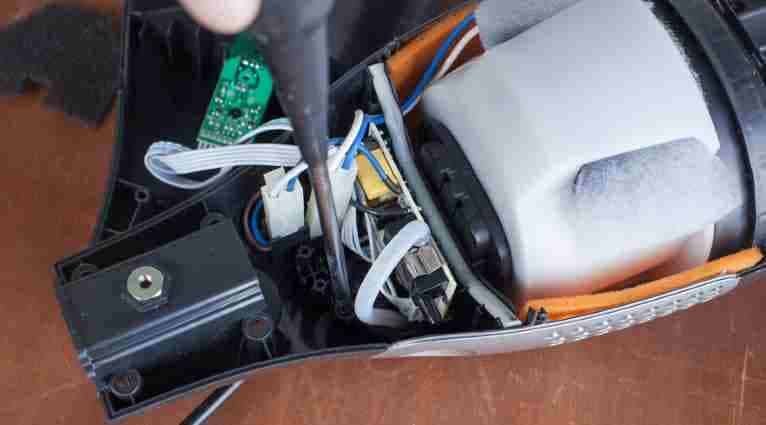
Industrial dust collection efficiency collapses the moment a micro-bin exceeds 50% capacity, triggering media blinding and structural strain on the hopper. To sustain sub-0.05 g/m³ emission standards in compact footprints, operators must synchronize 2-to-5-month service cycles with pressure stability limits of ±640 mm water column to prevent localized contamination.
This technical analysis evaluates maintenance protocols for AQUA MINI and AQUA MICRO cartridges, identifies the compliance requirements for BPI-certified liners under ASTM D6400 standards, and outlines the sanitization workflows necessary to maintain ISO 9001:2015 quality benchmarks in restricted process environments.
The Growing Trend of Micro-Bins
Compact filtration systems like AQUA cartridges and small-scale baghouses achieve sub-0.05 g/m³ emissions when maintained on strict 2-5 month service cycles for pressure stability.
Defining Micro-Bins in Compact Filtration Systems
Industrial space constraints drive the shift toward modular, compact units for water and air treatment. These systems prioritize high-efficiency capture in footprints previously considered too small for industrial-grade baghouses or cartridge housings.
- Filter Formats: Utilization of AQUA MINI and AQUA MICRO cartridges for targeted sediment removal.
- Potability Standards: Compliance with Italian DM 25/12 and DM 174/04 for drinking water applications.
- Quality Certification: ISO 9001:2015 certified filter housings for international quality benchmarks.
- Fabric Filtration: Small-scale fabric bag filters (baghouses) for submicron particulate capture.
Technical Maintenance and Operational Efficiency
System longevity depends on managing pressure differentials to avoid media blinding. Operators must monitor these levels and use specific pre-coating agents to protect filter media from moisture and fine particulates that shorten service life.
- Maintenance Interval: Cartridge replacement or washing required every 2 to 5 months to prevent pressure drops.
- Pressure Range: Operational stability maintained within ±640 mm water column (±25 inches).
- Emission Standards: Achieving levels as low as 0.002 g/m³ through lime or calcium carbonate pre-coating.
- Safety Protocols: Regular inspection of gaskets, seals, and pressure components per CE Directives 89/391/EEC and 89/655/EEC.
Hygiene Challenges in Small Spaces
High-efficiency filtration and strict pressure control contain fine powders in compact environments, while tool-less, clean-side access ensures maintenance doesn’t compromise product purity.
Particulate Containment and Filtration Standards
Compact bin-top environments require specialized media to prevent fine dust from migrating into plant corridors or mezzanines. Standard industrial filters often lack the precision needed for the submicron particulates found in pharmaceutical or food-grade powders handled in restricted footprints.
- Filtration Efficiency: MERV 15 cartridge media removes 99.98% to 99.99%+ of particles down to 1 μm.
- Emission Thresholds: Systems maintain outlet levels below 0.05 g/m³ (0.020 gr/ft³), with optimized systems reaching 0.002 g/m³.
- Media Materials: Antistatic polyester is standard for general use, while expanded PTFE (ePTFE) membranes are used for near-zero emission requirements.
- Regulatory Compliance: Components meet Canadian Registration Number (CRN) standards and government air-quality regulations for localized dust control.
Engineering for Maintenance and Pressure Stability
Mechanical design determines whether a filter is a hygiene asset or a contamination risk. In small spaces, restricted access makes clean-side filter changes mandatory to prevent technicians from entering contaminated bin volumes or disturbing the product zone.
- Maintenance Access: Tool-less, top-access doors allow clean-air-side filter changes, removing the need to enter dusty bin interiors.
- Pressure Limits: Housings handle up to 0.1 bar(g) internal pressure to prevent structural leakage or “back-puffing” into plant corridors.
- Cleaning Physics: Shaker systems require residual pressure below 0.02 in. w.c. for effective dust cake release; higher pressure interferes with cleaning and causes dust buildup.
- System Controls: Pulse-jet cleaning utilizes sequential timers in NEMA 4X or 7/9 enclosures for hazardous or wash-down environments.
- Structural Materials: Stainless steel options support hygiene-driven wash-down and sanitizing protocols in compact process rooms.
Cleaning Protocols for Micro-Bins
Maintain micro-bins through validated daily cleaning, 10-minute disinfectant contact, and strict liner compliance (ASTM D6400 or <0.7 mil thickness) to ensure ISO Class 5–8 and GMP hygiene standards.
| Category | Requirement | Standard/Compliance |
|---|---|---|
| Trash Liners | <0.7 mil thickness or ≥10% PCRC | District Environmental Guidance |
| Compost Liners | BPI-Certified | ASTM D6400 |
| Disinfection | 10-Minute Wet Contact | GMP/Pharma SOP |
| Drying Air | 0.2 µm-Filtered | ISO Class 5–8 |
Liner Specifications and Environmental Compliance
Industrial micro-bin management starts with the liner. Regulatory standards for general waste demand either structural efficiency or recycled content. To meet municipal and environmental specifications, liners must adhere to the following benchmarks:
- General Waste: Must contain ≥10% post-consumer recycled content (PCRC) or maintain a thickness below 0.7 mil.
- Compostable Units: Mandatory BPI certification to ASTM D6400 standards for commercial compostability.
- ISO 5–8 Cleanrooms: Exterior cleaning requires low-lint synthetic microfiber wipes to prevent particulate shedding.
- Tool Rotation: Cellulose mop heads require replacement every 48 hours; mop handles must be replaced monthly to eliminate cross-contamination risks.
Validated Sanitization and GMP Cleaning Workflows
In pharmaceutical and high-rigor manufacturing, micro-bin cleaning is a validated process, not a custodial afterthought. Bins must be processed at the end of every production cycle to prevent microbial proliferation. The workflow follows a strict technical sequence:
Staff must transfer bins to a dedicated wash area for a multi-stage rinse. Initial rinsing uses purified water until the unit is visually clean. A final rinse with Water for Injection (WFI) or purified water removes chemical residues before the disinfection stage.
- Contact Time: 10-minute validated wet contact time for pharmaceutical waste bins (double the 5-minute standard for general surfaces).
- Drying: High-pressure drying using 0.2 µm-filtered compressed air to prevent atmospheric re-contamination.
- Emissions Control: Specialized filtration bins (cartridge types) must maintain particulate emissions below 0.05 g/m³.
- Filter Maintenance: Washable RLA cartridges require immersion in disinfectant for 5 minutes after cleaning under running water.
Pressure monitoring is critical for technical micro-bin configurations, such as bag filters or cartridges. These systems operate within a range of ±640 mm water column. Operators should replace or wash sediment cartridges every 2 to 5 months, or immediately if a significant pressure drop occurs.
Custom OEM/ODM Vacuum Cleaners: Power Your Brand with KelyLands

Filter Maintenance (Small Bins)
Small bin maintenance centers on emptying at 50% capacity, maintaining IP55 seal integrity, and managing pressure drops under 25 inches of water.
| Maintenance Metric | Industrial Specification |
|---|---|
| Bin Emptying Threshold | >50% Full |
| Max Pressure Differential | ±640 mm Water Column (25 in. WC) |
| Operating Temp Max | 75°C (167°F) |
| Positive Pressure Limit | 800 Pa |
| Bag Tension Requirement | 2–2.5 lbs per circumferential inch |
Core Inspection Protocols and Bin Capacity Management
Dust collection efficiency fails when bins overfill. Operators must empty bins immediately once they reach 50% capacity. This prevents dust overflow into the filter chamber and protects the hopper from structural strain caused by excessive weight.
- Seal Integrity: Perform monthly inspections of bin sleeves and gaskets. Report rips immediately to prevent dust bypass and localized contamination.
- Electrical Safety: Verify all equipment housings and electrical components maintain IP55 ratings to block dust ingress in high-load environments.
- Compliance: Ensure air headers carry a Canadian Registration Number (CRN) and check that flanged bottom housings are secure to maintain bin stability.
Technical Specifications for Filter Media and Pulse Cleaning
Media performance dictates the system’s pressure stability. Most small bin systems utilize antistatic Superbag 2000 polyester bags. These require 50mm flanges for secure attachment to timber frames, using either industrial staples or elasticated wraps to ensure a dust-tight fit.
- Pressure Management: Keep operational drops within 25 inches of water. Avoid any positive pressure during shaker cleaning cycles to prevent bag displacement.
- Cleaning Calibration: Pulse-jet systems should use sequential activation. Monitor for cleaning pressures as low as 0.02 inches of water, as these can interfere with bag release.
- Thermal Protection: Filtration environments must stay below 75°C. Exceeding this threshold compromises the polyester fabric and reduces pulse-jet efficiency.
For cartridge-based micro systems, check sediment cartridges every 2 to 5 months. While washable RLA cartridges are reusable after a 5-minute disinfectant soak, fabric bag systems require off-site frame fitting to ensure safety and proper tensioning before re-installation.
Service Design Considerations
Service design for small bin filters requires high-intensity automated cleaning and specific media depths to hit 90-95% recovery rates and maintain filtration velocity.
Engineering Parameters for Automated Cleaning
Engineering teams must calibrate automated regeneration to account for water temperature and media specific gravity. Cleaning intensity relies on precise control of flow, pressure, and the duration of backwash strokes to prevent media loss.
- Backwash Rates: Minimum 15 gpm/ft², reaching up to 20 gpm/ft² based on media density.
- Recovery Targets: 90% to 95% efficiency achieved via air scour and chemical cleaning.
- Multimedia Depths: Specific layering of anthracite, sand, and garnet required for proper bed expansion.
- Pressure Ratings: Systems must sustain filtration velocity during aggressive cleaning cycles.
Maintenance Access and Operational Continuity
Small bin designs prioritize continuous operation through offline cleaning capabilities. Integrating pressure sustaining valves allows the system to remain functional while individual compartments undergo service.
- Inspection Interval: Mandatory check of multiway valve safety screens every 6,000 running hours.
- Cartridge Maintenance: Replacement or washing of sediment cartridges every 2 to 5 months.
- Bag Filter Pressure: Operational limits set at ±640 mm water column to maintain emission standards below 0.05 g/m³.
- Physical Access: Strategically placed valves, sample points, and weather protection to safeguard internal components.
- Compliance: Adherence to ISO 9001:2015 and CE Directives for pressure vessel safety and material compatibility.
Final Thoughts
Small-footprint filtration trades spatial efficiency for zero maintenance flexibility. Ignoring strict 2–5 month service cycles or 50% capacity limits triggers immediate pressure drops and dangerous hygiene breaches.
Audit your pressure sensors and mandate 10-minute wet contact disinfection protocols today. Replace any sediment cartridges exceeding five months of service to ensure ISO-grade compliance.
Frequently Asked Questions
Does the bin use a stainless steel mesh filter to save space?
Industry standards don’t explicitly link stainless steel mesh to space-saving. These woven or perforated structures provide high-surface-area filtration—ranging from 1-2000μm—within a small footprint, but the actual space saved depends on your specific application rather than a universal standard.
Is the dust ejection mechanism truly ‘one-touch’?
No formal industry standards or technical specifications currently validate “one-touch” performance claims. The term is widely used in marketing, but technical data lacks a standardized metric for trigger pressure or mechanism speed.
Is the entire dust bin assembly washable?
No regulation mandates that entire dust bin assemblies must be washable. However, the internal stainless steel mesh filters (specifically 304 and 316 grades) are engineered for repeated washing, backwashing, and resistance to corrosive environments.

 English
  Español
  Français
  Deutsch
  Português do Brasil
  Русский
  한국어
한국어  日本語
日本語  العربية