 跳转到主要内容 跳转到页脚

Scheduling floor maintenance during late-night hours keeps residential and commercial facilities clean without interfering with daily traffic, but the primary challenge remains noise disruption. Sourcing managers must find hardware that operates within strict acoustic benchmarks to ensure cleaning cycles do not wake residents or guests. Selecting equipment that fails these noise standards often leads to complaints, making silent operation a critical specification for any autonomous nighttime fleet.
This guide examines the technical engineering required for quiet performance, focusing on units that maintain noise levels between 55dB and 68dB. We analyze how brushless (BLDC) motors reach 90% efficiency to reduce mechanical hum, the impact of 50 to 75 Shore A rubber treads on vibration damping, and how 3D sensor fusion prevents the loud clunks of furniture collisions.
The “3 AM Clean”: Why Silence is Critical for Robots
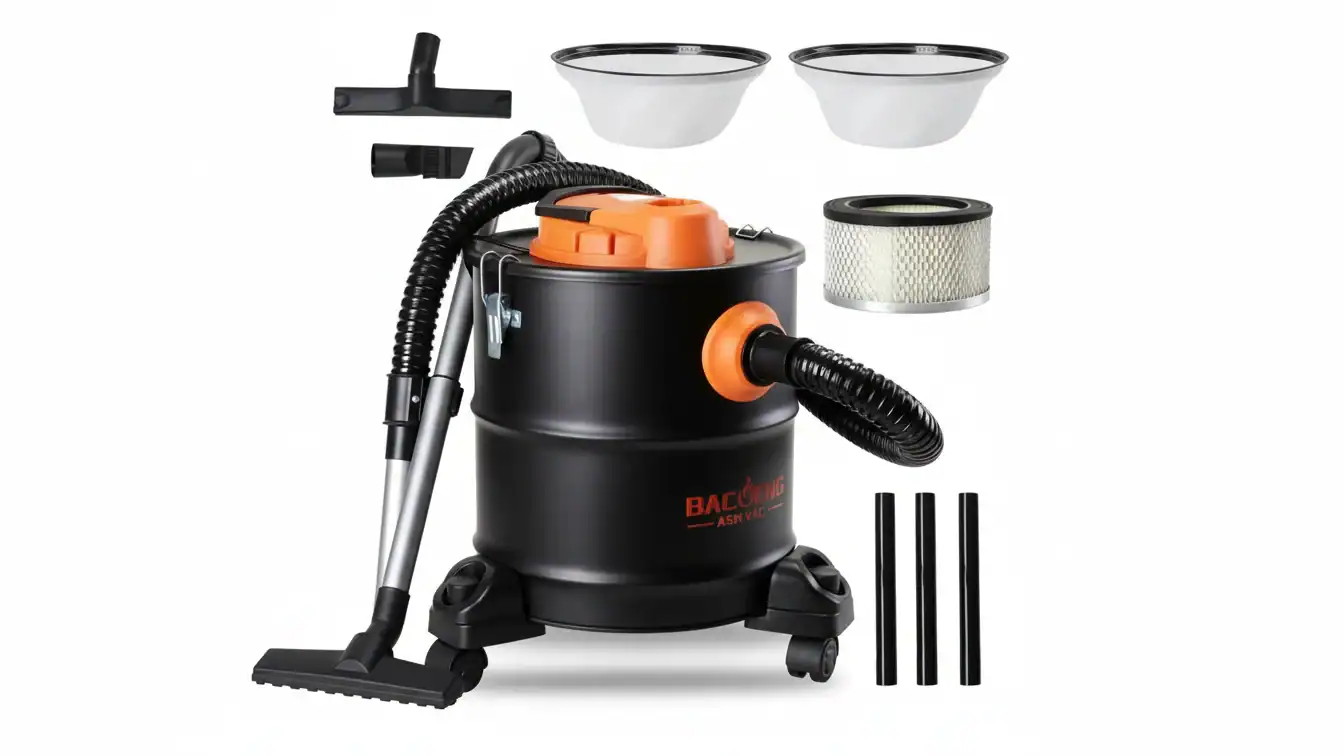
Nighttime cleaning relies on maintaining noise levels between 55dB and 68dB to ensure residents sleep undisturbed. While traditional vacuums reach 90dB, modern robots use sound-absorbing polyester cocoons and QuietMotion algorithms to deliver high suction power without the acoustic disruption typical of older hardware.
Decibel Benchmarks for Residential Sleep Cycles
Quiet models like the AIRROBO T20+ operate at 55dB, falling significantly below the 90dB output common in traditional upright vacuums. Industry leaders like DEEBOT and Narwal Freo maintain ranges between 43dB and 68dB during active sweeping and mopping cycles. These manufacturers use IEC 62885-2:2016 standards to test and validate suction efficacy relative to noise emission. Maintaining volume levels below 60dB prevents the device from waking sleepers in homes with thin walls or open floor plans.
Acoustic Insulation and Noise Reduction Components
Engineering teams use high-density sound-absorbing cotton and 100% polyester fiber cocoons to achieve a 0.94 absorption coefficient across the 125-4,000Hz frequency range. Fully enclosed vacuum designs, found in models like the Lydsto R1 Pro, allow for 3200Pa suction while trapping mechanical resonance within the chassis. QuietMotion algorithms manage motor torque and navigation speed to minimize acoustic spikes during floor type transitions. Damping materials around the motor housing further prevent vibrations from magnifying on hard surfaces like tile or hardwood.
Brushless vs. Brushed Motors: The Noise Difference
Brushless motors eliminate the mechanical friction and electrical arcing found in brushed designs, making them essential for night-time cleaning. By using electronic commutation and sinusoidal control, these motors reach 90% efficiency while preventing the vibration and torque ripple that cause audible drones. This shift ensures robot vacuums remain quiet enough for 2026 household standards.
| Mechanism | Brushed Motor | Brushless Motor (BLDC) |
|---|---|---|
| Commutation Type | Mechanical (Physical Brushes) | Electronic (Digital Controller) |
| Noise Profile | High (Friction & Arcing) | Ultra-Low (Quiet Acoustic Output) |
| Energy Efficiency | 75-80% | 85-90% |
Mechanical Friction and Arcing in Brushed Systems
Brushed motors create noise through the physical interaction between carbon brushes and a rotating commutator. This contact produces a constant sliding sound and mechanical wear that degrades the motor over time. As the brushes move across the commutator segments, they generate electrical arcing. These small sparks cause high-frequency interference and an audible crackling sound that disrupts quiet environments.
The “hard switching” of current between inductive rotor windings also contributes to the problem by producing torque ripple. This ripple creates pulsations in rotor energy, leading to vibrations that resonate throughout the vacuum chassis. Standard brushed designs operate at only 75-80% efficiency, meaning a significant portion of energy converts into heat and noise rather than suction power.
Digital Commutation and Efficiency Benchmarks
Brushless motors solve the noise problem by replacing mechanical contacts with electronic commutation. By removing the brushes, these systems eliminate both the friction and the electrical arcing associated with traditional designs. Engineers use sinusoidal or Field-Oriented Control (FOC) to ensure smooth current transitions between windings. This digital precision prevents the abrupt energy shifts that cause the loud drones found in older vacuums.
Improved efficiency directly impacts acoustic performance. Brushless motors achieve 85-90% efficiency, reducing the vibration caused by wasted energy. High-end 2026 robot vacuums also utilize advanced rotor balancing to maintain stability at high rotational speeds. This combination of digital control and mechanical balance ensures the device operates quietly, making it ideal for scheduled nighttime cleaning sessions.
Wheel Design: Soft Rubber on Hard Floors
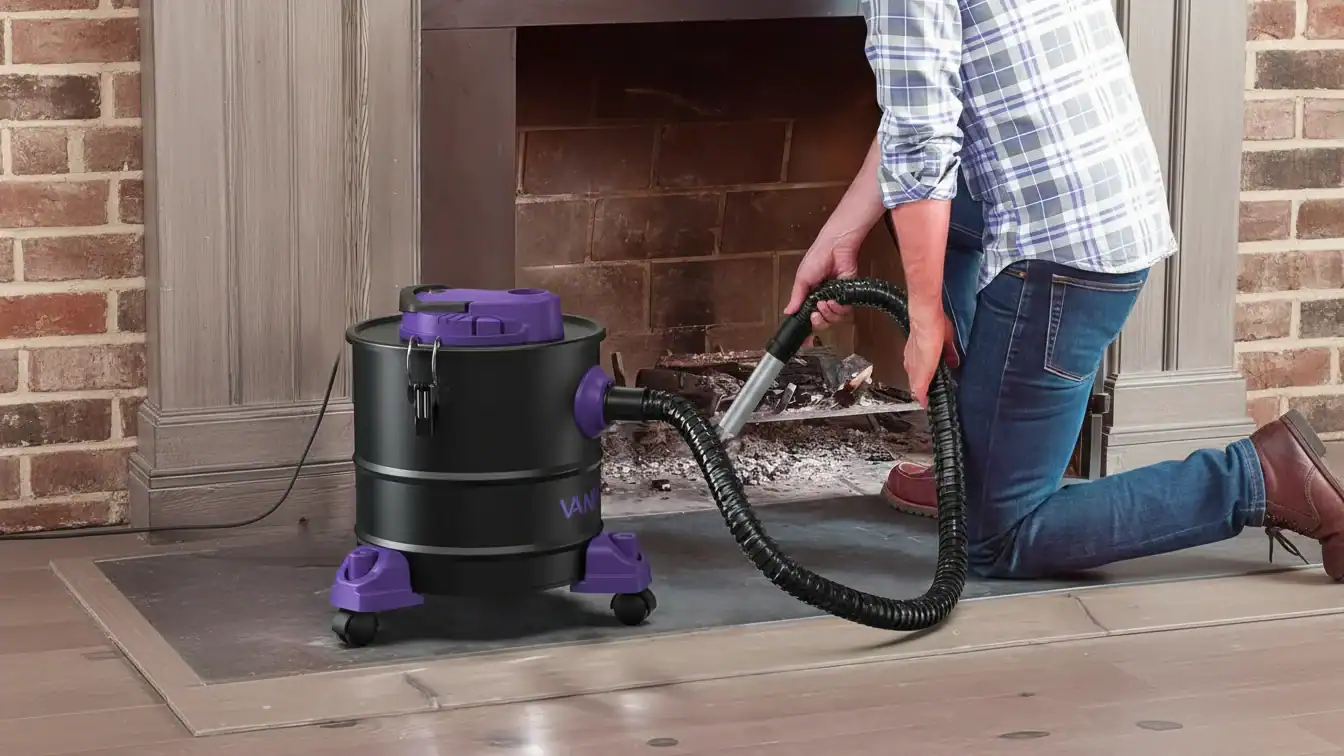
Robot vacuums in 2026 use molded soft rubber treads, typically ranging from 50 to 75 Shore A, bonded to rigid synthetic cores. This dual-layer construction absorbs impact vibrations on tile and wood, preventing the loud rattling sounds common with hard plastic wheels while maintaining traction.
Material Composition for Vibration Damping
Manufacturers bond molded rubber treads to rigid synthetic cores to prevent tread separation during high-torque maneuvers. This dual-layer architecture isolates mechanical vibrations, ensuring that motor noise and drivetrain resonance do not transfer to the floor surface. By decoupling the chassis from the ground, the robot maintains a lower decibel profile during operation.
Low-durometer compounds like Blickle Soft (50 Shore A) and SoftMotion (55 Shore A) specifically target energy damping on uneven surfaces. These materials compress slightly under the vacuum’s weight, providing a cushioning effect when crossing grout lines or transitions. This elasticity reduces the vertical shock transferred to sensitive internal components and mapping sensors.
Engineers prioritize non-marking rubber formulations to protect high-end finishes. These specialized compounds prevent scuffs and friction marks on delicate materials like linoleum, polished wood, and terrazzo. The high coefficient of friction inherent in these elastomers provides the necessary grip for precise navigation without requiring aggressive tread patterns that could trap debris.
Technical Performance and Static Safety Specs
Durometer ratings between 70-80 Shore D and 92 Shore A offer the structural integrity required for industrial-grade loads. These ratings support capacities up to 350 lbs, allowing larger robotic units to carry heavy water tanks or debris bins without deforming the wheels. This balance of hardness and elasticity prevents flat-spotting when the robot remains stationary at a charging dock for extended periods.
Static safety is a critical requirement in modern flooring environments. These wheel assemblies meet Federal Specification FF-C-778 standards, maintaining hub-to-tread conductivity below 250,000 ohms. This path to ground dissipates the static electricity generated by the friction of movement, protecting the robot’s logic boards and preventing interference with smart home infrastructure.
Advanced elastomers maintain material flexibility across extreme operating conditions. These compounds retain their grip and structural properties in temperatures ranging from -50°F to 180°F. Such thermal stability ensures that robot vacuums deployed in cold storage facilities or high-temperature manufacturing zones do not experience tread brittleness or accelerated wear.
Scale Your Brand with High-Performance Home Vacuum Cleaners

The “Clunk” Factor: Obstacle Avoidance to Stop Bumping
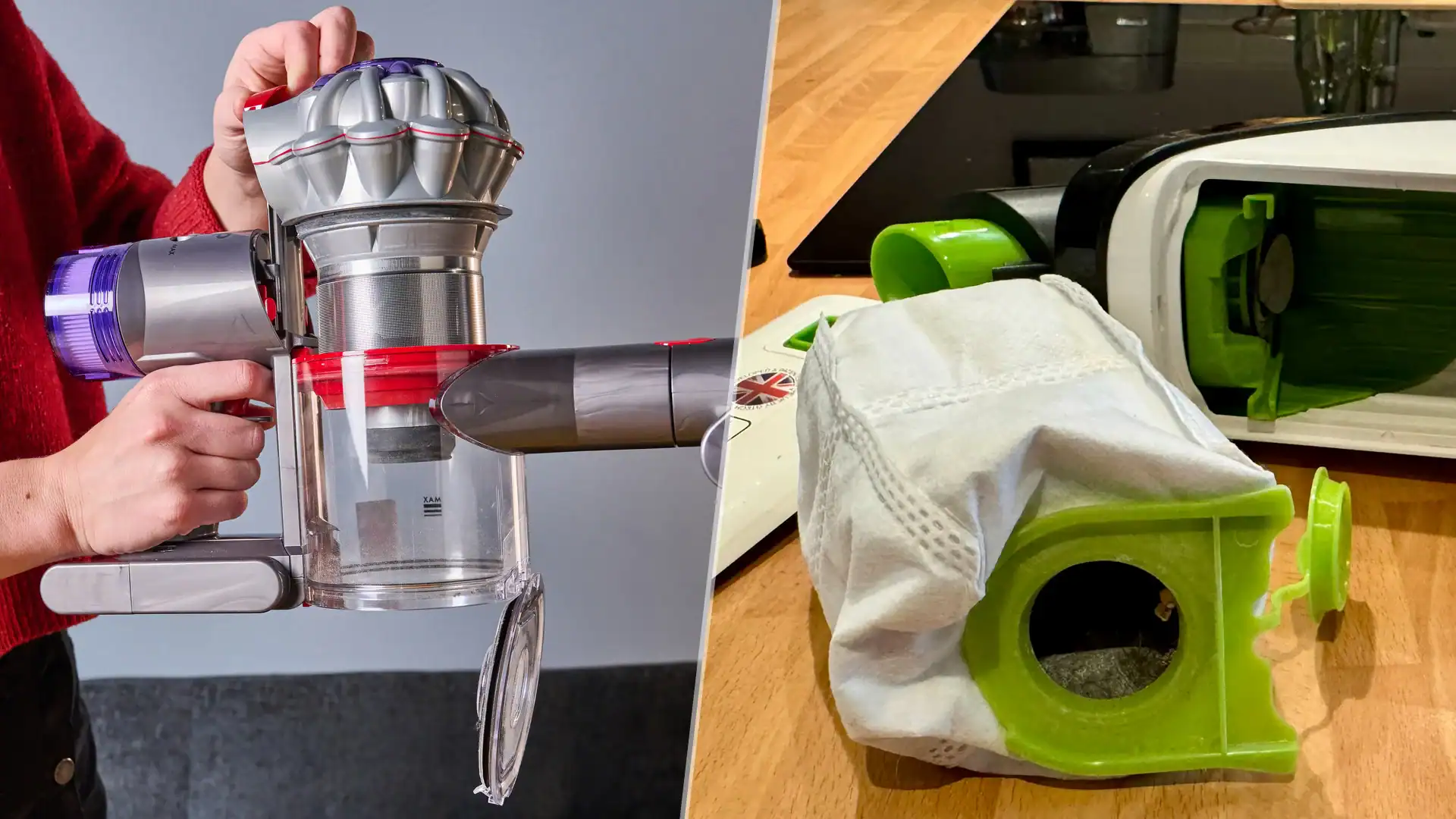
Modern robot vacuums eliminate the noise of hitting furniture by utilizing sensor fusion, including 3D structured light and AI vision. These systems detect over 200 types of objects and navigate around obstacles with millimeter precision, while mechanical lift systems allow the units to clear 80mm thresholds without impact.
Sensor Fusion and Spatial Mapping Technologies
The transition from mechanical bumpers to non-contact navigation relies on sophisticated optical hardware. Engineers replaced traditional contact sensors with AIVI 3D 3.0 and Tri-Laser structured light systems that project light patterns to map environments in three dimensions. VertiBeam lateral sensors and Time of Flight (ToF) technology calculate distance with millimeter accuracy, which allows the robot to identify obstacles in total darkness. TrueMapping 2.0 LiDAR processes this spatial data to plan paths that curve around objects, effectively ending the noise associated with old-fashioned rebounding navigation.
Object Classification and Mechanical Clearance Specs
Current AI-driven systems recognize over 200 distinct household items, including power cables, shoes, and pet waste. This identification prevents the vacuum from dragging objects or suffering brush entanglement during autonomous runs. To navigate physical barriers, hardware like StepMaster 2.0 retractable legs and AdaptiLift chassis lift the entire unit over thresholds as high as 80mm. Precision edge-tracking through five-axis arms and lateral sensors maintains a sub-centimeter gap between the vacuum and furniture, ensuring a thorough clean without causing physical impact.
Emptying Base Noise: The 10-Second Jet Engine Problem
Self-emptying stations generate intense noise bursts around 75 dB for 10-15 seconds to move debris from the robot to the dock. This sound results from high-velocity airflow and motor spin-up, though it remains below the 85 dB OSHA threshold for hearing safety.
| Operation Phase | Noise Level (dB) | Duration/Context |
|---|---|---|
| Self-Emptying Dock | ~75 dB | 10–15 Seconds |
| Standard Cleaning | 55–65 dB | Continuous Operation |
| OSHA Safety Threshold | 85 dB | Hearing Protection Limit |
Airflow Turbulence and the 15-Second Suction Cycle
Self-emptying cycles create noise spikes reaching approximately 75 dB as high-suction motors pull debris through narrow internal channels. This short 10-to-15-second window prioritizes clearing the onboard dustbin quickly, which requires high-velocity airflow that often bypasses the sound-dampening focus found in standard cleaning modes. Rapid airflow turbulence and significant cubic feet per minute (CFM) movement produce the distinctive whistling or “jet engine” sound characteristic of the transfer process.
The mechanics of the dock prioritize powerful suction to ensure the robot’s bin is completely cleared of pet hair and heavy debris. This intense burst is necessary because the debris must travel from the floor-level robot upward into the station’s storage bag. While models like the AIRROBO T20+ operate at 55 dB during cleaning, the shift to emptying mode introduces a temporary but sharp increase in volume that can disrupt quiet environments.
BLDC Motors and Multi-Layer Sound Insulation
Modern station designs utilize brushless digital motors (BLDC) to minimize mechanical vibration and friction compared to older brushed hardware. These motors allow for more efficient power delivery while reducing the grinding or rattling sounds often associated with high-speed rotation. Manufacturers also integrate multi-layer acoustic foam and internal rubber seals within the station housing to absorb high-frequency sound waves before they escape the dock.
Engineering standards ensure these noise spikes stay below the 85 dB OSHA threshold, preventing potential hearing discomfort or damage in residential spaces. Regular maintenance plays a role in managing these sound levels; full dust bags or debris trapped in the station’s intake can amplify vibrations and cause the motor to work harder, increasing the decibel output. Scheduling the emptying cycle for times when the home is active helps mitigate the perceived disruption of these brief acoustic peaks.
Final Thoughts
Finding a robot vacuum that works during the night requires checking for specific hardware like BLDC motors and high-density insulation. These components keep noise between 55dB and 68dB, which sits well below the volume of a standard conversation. Choosing models with soft rubber wheels and AI-driven navigation prevents the sudden clacks and thumps that usually wake residents.
Owners should still account for the brief noise spike during the self-emptying phase. While the vacuuming happens silently, the suction at the base station remains a loud necessity for moving debris. Scheduling these cycles for active hours or using software settings to delay emptying ensures the cleaning process stays out of earshot without sacrificing the convenience of a self-maintaining system.
Frequently Asked Questions
Can the mobile app schedule a ‘Do Not Empty’ window for night use?
Industry standards for ‘Do Not Empty’ scheduling vary by manufacturer as these are proprietary software features. While many apps allow users to define cleaning hours, specific locks for the self-emptying base depend on the individual brand’s software integration.
Do robot vacuums utilize brushless (BLDC) drive motors?
Yes. Technical specifications confirm that main drive motors in these devices are universally brushless (BLDC). This motor type ensures higher efficiency and longer lifespans compared to older brushed alternatives.
What noise level should I expect in ‘Sleep Mode’?
When set to ‘Sleep Mode’ or quiet operation, robot vacuums typically produce a noise level below 40 dB. This decibel rating ensures the device remains unobtrusive during nighttime hours.

 English
  Español
  Français
  Deutsch
  Português do Brasil
  Русский
  한국어
한국어  日本語
日本語  العربية