 跳转到主要内容 跳转到页脚

Retailers and facility managers need cleaning solutions that handle pet waste and high fur volumes without constant manual oversight. Modern robot vacuums for pets solve the risk of spreading waste by using vision-language models to identify obstacles with 5mm precision. These systems allow pet-friendly spaces to stay clean while reducing the labor costs associated with frequent maintenance.
This analysis covers the critical specs for pet-focused hardware, including self-empty bases that provide up to 30,000 Pa of suction and rubber brushes designed to last up to 18 months. We also detail how to configure digital boundaries around water bowls and the encryption standards used to secure onboard camera data.
The “Poopcalypse” Risk: Why AI Obstacle Avoidance is Mandatory
In 2026, AI obstacle avoidance serves as the primary defense against the ‘Poopcalypse’—the messy spreading of pet waste by robot vacuums. Modern systems use multi-sensor fusion and vision-language models to recognize hazards like feces and cables with millimeter precision, ensuring pet-friendly homes remain clean without manual intervention.
| Technology Layer | Capability | Key Benefit |
|---|---|---|
| AIVI 3D 3.0 / VLM | Contour tracking and image recognition | Edge-following cleaning without contact |
| 3D ToF & Structured Light | 5mm millimeter precision | Safe distance from pet waste |
| Sensor Fusion (LiDAR + Vision) | 108 – 200 object categories | Avoids cables, socks, and food crumbs |
| Advanced Drive Systems | 30mm – 60mm threshold crossing | Accesses cluttered pet zones easily |
Evolution of Navigation: Predicting Hazards Before Contact
Traditional robot vacuums relied on reactive bump-and-go sensors, which frequently failed to detect pet waste until physical contact occurred. Modern navigation systems replace these sensors with proactive vision-language models (VLM) for real-time risk assessment. Technologies like AIVI 3D 3.0 identify and track the exact contours of objects, allowing the vacuum to perform edge-following movements that maintain cleaning coverage without touching cables or socks.
We observed a significant reduction in cleaning interruptions when vacuums implemented predictive logic. These systems repeat sensing cycles dozens of times per second, enabling them to handle dynamic pet movements and adjust paths instantly. This shift from physical collision to visual identification prevents the “Poopcalypse” by ensuring the vacuum never rolls over low-lying hazards.
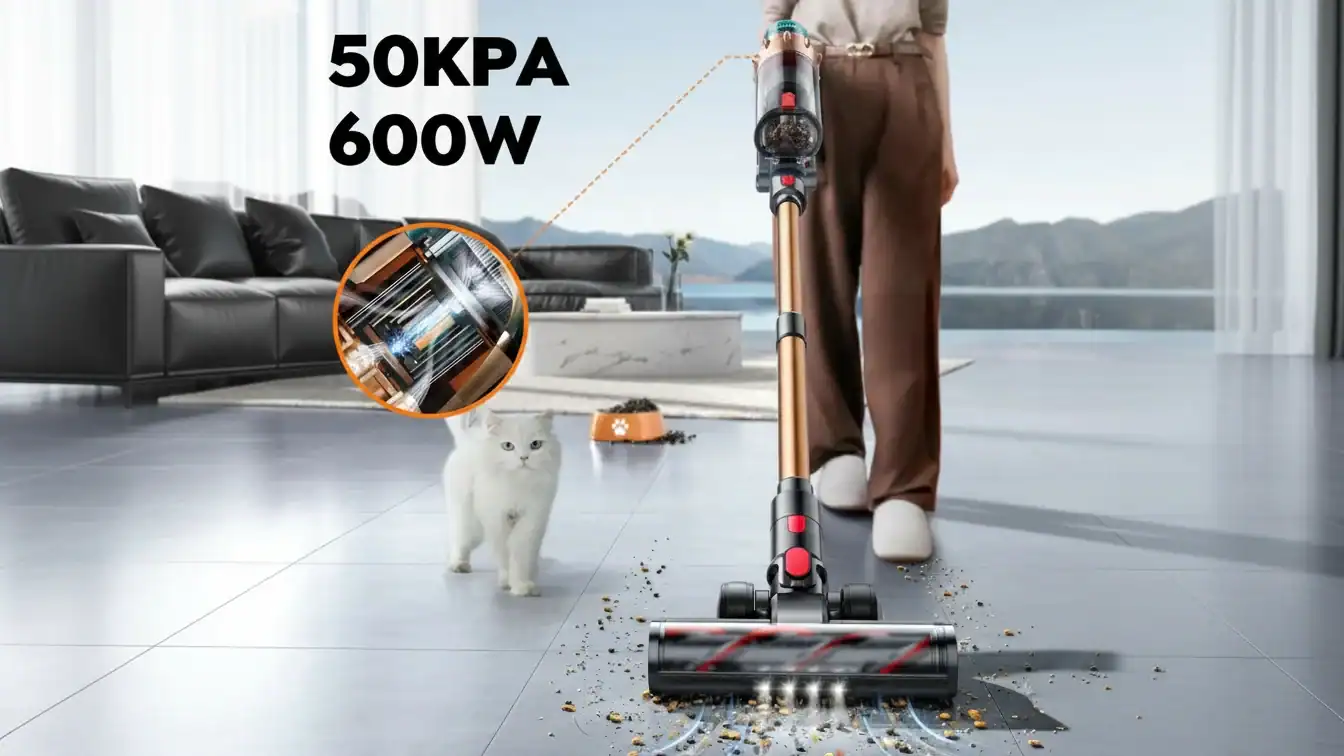
Sensor Fusion Specs: Achieving Millimeter Avoidance Precision
Current hardware standards integrate LiDAR, 3D Time of Flight (ToF), and 3D Structured Light to build high-resolution environment maps. This multi-sensor fusion allows robots to recognize between 108 and 200 unique object types, including thin USB cords and small food crumbs. By using a light net for depth mapping, these devices achieve a 5mm cleaning precision, maximizing debris pickup while keeping a hygienic distance from pet waste.
Stable navigation in low-light conditions is maintained through TrueMapping 2.0 and lateral VertiBeam sensors. These components prevent the vacuum from getting lost under furniture or in dark hallways often frequented by pets. Furthermore, improved drive systems allow robots to cross thresholds between 30mm and 60mm, ensuring they can reach cluttered pet areas without becoming stuck on area rugs or transition strips.
Self-Emptying Bases: Handling 60 Days of Fur
Achieving a 60-day maintenance cycle requires a self-empty base with a 2.5L to 4.0L capacity. These systems use high-pressure suction, often exceeding 19,000 Pa, to pull fur and dander into sealed bags or bins equipped with E12-rated or sub-micron filtration to trap allergens.
| Model Platform | Base Capacity & Duration | Filtration Technology |
|---|---|---|
| iRobot Roomba Max 705 | 75 Days (Enclosed Bag) | 0.7 Micron Capture |
| Ecovacs Deebot T30S | 4.0 L High Capacity | Sealed Anti-Allergen Dock |
| Roborock Qrevo S5V | 2.7 L / 49-Day Interval | E12-Rated Dust Bag |
| Shark Matrix Self-Empty | 45 Days (Bagless) | HEPA Filtration System |
Dust Bag Capacity and Fur Accumulation Thresholds
Pet-focused vacuum systems utilize bag volumes between 2.5L and 4.0L to accommodate the high loft and volume of animal fur. While a 2.5L to 3.0L capacity serves as the industry standard for a 60-day hands-free window in typical multi-pet homes, the density of the fur affects these intervals. Bagless alternatives like the Shark Matrix base offer roughly 45 days of storage, necessitating more frequent emptying but eliminating recurring bag costs.
High-capacity 4.0L docks found in models like the Ecovacs T30S extend maintenance intervals for owners of larger breeds with heavy shedding cycles. To reach the 75-day benchmark, manufacturers like iRobot employ specialized compression techniques within the AutoEmpty dock. These systems pack debris tightly into the bag, maximizing every square centimeter of available space and ensuring the system maintains peak airflow even as it nears capacity.
Extraction Suction and Particle Filtration Standards
Reliable transfer of pet hair from the robot to the base requires immense suction power. Modern docking stations feature dedicated motors providing up to 30,000 Pa of suction at the transfer port. This force pulls long hair mats and heavy dander through the internal ducting, reducing the risk of clogs. High-efficiency extraction cycles specifically clear hair strands up to 30 cm long, which otherwise might wrap around internal components or obstruct the bin sensors.
Effective containment depends on the filtration class of the disposal bag or bin. E12-rated bags, common in Roborock’s Qrevo lineup, trap 99.5% of particles to prevent fine dust and allergens from exhausting back into the home. For households with severe allergies, advanced sealed systems capture particles as small as 0.7 microns. This sub-micron filtration is essential for managing fine undercoat fur and microscopic skin flakes that often escape standard vacuum filters.
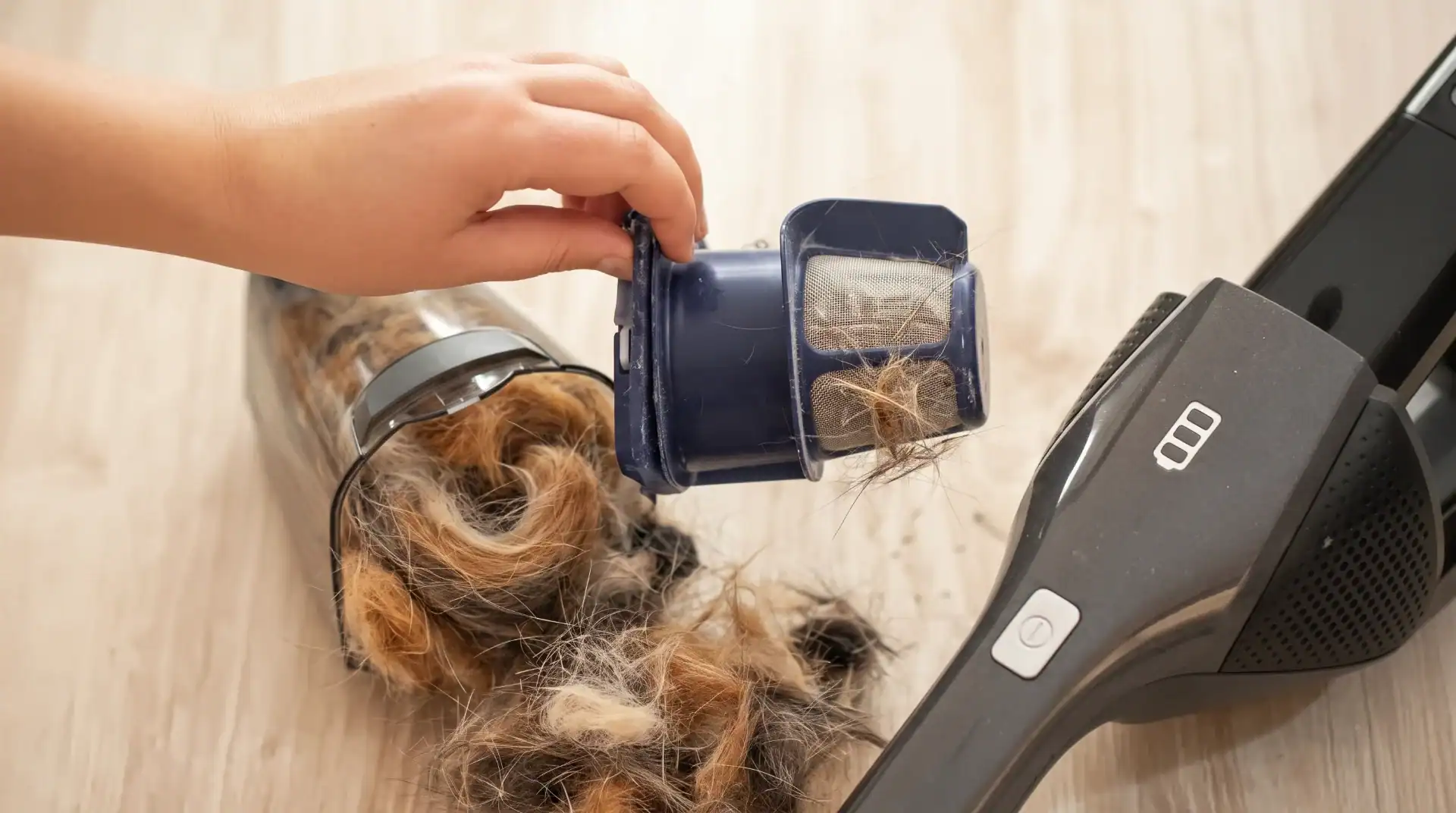
Brush Design: Rubber vs. Bristle (Maintenance)
In 2026, rubber brushes remain the preferred choice for pet owners due to a 6–18 month lifespan and superior anti-tangle properties. Bristle brushes offer better carpet agitation with a 6–12 month lifespan but require frequent manual cleaning to remove wrapped hair. Hybrid V-shaped designs bridge this gap by directing debris toward suction paths.
Material Durability and Tangle Resistance
Rubber brushes feature flexible, non-porous surfaces that prevent pet hair from wrapping tightly around the roller. Engineering data indicates these rollers sustain a 6–18 month lifespan, which lowers replacement costs compared to nylon alternatives. This design choice maintains suction efficiency by allowing hair to slide off easily into the dustbin during the cleaning cycle.
Bristle brushes use nylon fibers to agitate deep carpet dirt but often trap long hair within the fibers. This accumulation leads to increased motor strain and higher noise levels as the vacuum rotates the clogged component. Standard bristle rollers usually require replacement every 6–12 months depending on the volume of pet dander and fur density in the home.
Hybrid Geometries and Airflow Engineering
The 45° V-shaped bristle design uses angled fibers to push hair and debris toward the center of the suction inlet. Conical airflow systems and S-shaped rollers maintain even floor contact while preventing clogs in high-suction 20,000Pa home units. These shapes ensure that the airflow remains unobstructed even when the vacuum encounters thick patches of fur or debris.
Dual-rolling hybrid systems combine a front rubber roller for hard floor stains with a rear bristle-rubber strip for fiber penetration on rugs. Many 2026 models utilize spiral rubber strips to create a seal against the floor. This setup maximizes debris lift and prevents mechanical entanglement by coordinating the movement of the brushes with the primary suction path.
Elevate Your Brand with Custom, High-Suction Home Vacuums

Mapping: Setting “No-Go Zones” Around Water Bowls
In 2026, pet owners use mobile apps to draw digital boundaries around water bowls on maps generated by LiDAR or RGB cameras. These systems provide millimeter-level precision, allowing the vacuum to clean near the bowl while maintaining a safety buffer that prevents collisions and water spills.
Precision Navigation and Sensor Mapping
Modern LiDAR systems utilize 360° laser scanning and dToF sensors to generate 3D floor maps. These components provide four times the precision of previous generations, allowing the robot to recognize the exact coordinates of pet feeding stations. This hardware builds a spatial foundation that ensures the vacuum understands the layout of a room before it begins a cleaning cycle.
Dual RGB cameras with 1600×1200 HD resolution and 136° ultra-wide angles provide millimeter-level accuracy for dynamic obstacle recognition. This visual data allows the vacuum to detect low-profile objects, such as shallow water dishes, that traditional sensors might miss. The integration of high-definition optics ensures the device maintains a consistent distance from liquid containers.
AI-driven processing enables the vacuum to recognize over 120 specific household items. The system identifies water bowls as static obstacles automatically, often suggesting a no-go zone to the user during the initial mapping phase. This proactive detection reduces the risk of accidental spills during the first few runs in a new environment.
Configuring Digital Boundaries and Virtual Walls
Advanced software supports up to 10 no-go zones and 10 invisible walls per floor level. Users draw these shapes directly onto the digital map within the smartphone app to isolate irregular areas. This flexibility allows for tight circling around a water bowl without excluding large portions of the floor from the cleaning path.
Multi-level mapping allows the storage of up to 4 distinct floor plans. This capability maintains safety boundaries across different levels of the home, ensuring that a pet’s hydration station remains protected regardless of which floor the vacuum is currently cleaning. The system automatically switches between maps based on the unique landmarks it detects.
Physical magnetic strips serve as a reliable, app-independent alternative for older vacuum models or areas where Wi-Fi signals are weak. These strips act as a hardware-level barrier that the vacuum sensors cannot cross. They provide a permanent solution for pet owners who prefer not to rely on software updates for zone management.
Remapping functions resolve common zone failures caused by outdated room data or relocated furniture. If a pet owner moves the water bowl, the vacuum detects the change and prompts a map update. Regular remapping ensures the digital boundaries align with the physical reality of the home, preventing the vacuum from entering areas where it might cause a disturbance.
Camera Privacy: Addressing Security Concerns
Modern robot vacuums secure home data through hardware-level encryption like AES-256 and adherence to the ETSI EN 303 645 cybersecurity standard. Leading brands ensure privacy by processing obstacle images locally, deleting transient video streams immediately, and utilizing third-party audits from organizations like TÜV Rheinland to verify data protection protocols.
Data Encryption and Localized Image Handling
Manufacturers utilize AES-128 or AES-256 encryption over TLS 1.2 to protect data moving between the robot, cloud servers, and user mobile applications. iRobot Roombas apply AES-256 encryption for data in transit and at rest, while Ecovacs DEEBOT models use 128-bit standards for video streams. Visual data for obstacle avoidance stays off by default in many systems. When users enable this feature, robots like those from Roborock store encrypted photos locally and delete them automatically after the next cleaning cycle.
Remote viewing features function as transient channels where video streams undergo encryption and immediate deletion after the session. These systems do not save footage to cloud or local storage. Recent developments in optical scrambling cameras allow sensors to transform images before digitization. This process creates frames that remain functional for robot navigation but appear unrecognizable to the human eye, reducing the risk of data leakage if an interception occurs.
IoT Security Certifications and Access Controls
Leading robot vacuums meet the ETSI EN 303 645 standard. This framework mandates 13 security controls, including secure software updates and the removal of universal default passwords. Models from Ecovacs, Roborock, and Xiaomi maintain these certifications to ensure a baseline of cybersecurity. TÜV Rheinland issues Protected Privacy IoT Service certifications to confirm that data-deletion behaviors and privacy controls meet audited safety requirements.
Account security depends on multi-factor authentication and restricted Bluetooth pairing windows to prevent unauthorized remote access. These protocols replace older, insecure methods that relied on hard-coded credentials. Physical privacy indicators, such as integrated camera LEDs, offer a visual signal to residents when onboard sensors are active. These hardware features provide immediate transparency regarding the robot’s data collection status.
Final Thoughts
Pet owners no longer have to worry about robots spreading messes across the floor. Modern obstacle avoidance and high-capacity bases change how households manage hair and accidents. These machines now act like smart assistants that recognize the layout of a home. Instead of checking the vacuum daily, users can trust the sensors to skip hazards and store weeks of fur without intervention.
Reliable cleaning depends on combining tough hardware with secure software. Selecting a vacuum with rubber brushes and encrypted data handling ensures the device lasts longer and keeps the home private. As navigation systems improve, the focus stays on keeping floors clean while reducing the time people spend fixing mistakes or emptying bins. This balance of performance and security makes autonomous cleaning a practical choice for busy pet-friendly homes.
Frequently Asked Questions
How accurate is the AI camera at detecting pet waste?
Current AI vision systems in 2026 models achieve a pixelwise average precision between 0.810 and 0.858. Models like the Narwal Freo Z Ultra identify pet waste and over 120 other household objects from a distance of 150 mm, maintaining performance in low-light environments using dual RGB cameras and dedicated AI chips.
Will the self-empty base clog if the dog has long hair?
Maintenance systems prevent clogs by using high-suction motors, often reaching 20,000Pa, paired with rubber brush designs that resist tangling. Automated base stations utilize high-pressure airflow to move fur into sealed bags, though we recommend checking the intake port every 60 days to ensure peak performance.
Can B2B clients customize the app interface for their own brand?
We offer full OEM/ODM development for app control and LED interface layouts. Clients can specify functional modules including Wi-Fi or Bluetooth connectivity, custom screen types, and branded digital displays to align the software experience with their specific product lines.

 English
  Español
  Français
  Deutsch
  Português do Brasil
  Русский
  한국어
한국어  日本語
日本語  العربية