 跳转到主要内容 跳转到页脚

Designing for hand osteoarthritis requires engineering within a strict functional envelope where grip strength often collapses toward 0 mmHg and repetitive activation forces must remain below 3.4 lbs (15 N) to prevent clinical fatigue. Traditional trigger-based mechanisms fail this demographic by isolating the index finger and forcing the wrist into acute angles, frequently exceeding the 15° to 35° rotation limit required to maintain a neutral carpal tunnel posture.
This analysis evaluates the shift toward axial feed force and trigger-free operation using quantitative benchmarks from the Arthritis Hand Function Test (AHFT) and ISO 11064. We examine the use of Jamar hydraulic hand dynamometers and Nine-Hole Peg Test (NHPT) metrics to validate 30–50 mm grip diameters and TPE overmolding as essential requirements for arthritic accessibility.

Understanding Arthritis and Hand Dexterity
Arthritis degrades grip strength and fine motor control, shifting the clinical focus from pure force generation to “applied dexterity” tasks like lacing, buttoning, and weighted lifting.
Biomechanical Impact of Arthritis on Manual Strength
Hand osteoarthritis (HOA) and rheumatoid arthritis (RA) create measurable force generation deficits. Clinicians track these declines using the American Society of Hand Therapists (ASHT) protocol, which requires the elbow at approximately 90° to ensure consistent readings across patient groups.
- Grip Strength Range: 0–300 mmHg measured via modified sphygmomanometer.
- Pinch Strength Range: 0–30 kg recorded with a dedicated pinch meter.
- Standard Instrumentation: Jamar hydraulic hand dynamometers and Jamar hydraulic pinch gauges (Sammons Preston).
- Applied Load Testing: Lifting tasks involving a 1 L container or a tray loaded with up to 12 soup cans.
Objective disability scores scale directly with radiographic severity. Patients in the HOA group typically exhibit DASH questionnaire scores of 48.3, compared to 39.5 in healthy controls, reflecting significant performance gaps in Purdue Pegboard assembly tasks and unilateral motor control.
Standardized Assessment Protocols and Diagnostic Metrics
Validating product ergonomics for arthritic users requires standardized clinical benchmarks. These tests provide the quantitative “design envelope” for required grip force and control complexity in medical devices and consumer goods.
- Nine-Hole Peg Test (NHPT): The clinical gold standard for measuring manual dexterity and fine motor speed.
- Arthritis Hand Function Test (AHFT): An 11-item performance-based test measuring strength, buttons, lacing, and cutlery use.
- Reliability Metrics: AHFT protocols maintain high test-retest reliability, with ICC values between 0.74 and 0.96 in osteoarthritis populations.
- Functional Benchmarks: Use of safety pins, coins, button boards, and shoe lacing as validation for UX design.
The correlation between Kallman grading scales and objective performance metrics defines the measurable impact window of the disease. Designers use this data to calibrate resistance levels in buttons, grips, and small-object interfaces, ensuring they remain within the functional capacity of a compromised hand.
The Challenges of Trigger-Based Mechanisms
Poor trigger design forces extreme wrist angles and transmits excessive vibration. Success requires 15°-35° handle rotation and polymer overmolding to mitigate carpal tunnel risks and fatigue.
Biomechanical Stress and Carpal Tunnel Risks
Poorly designed trigger mechanisms force the wrist into acute “cocking” positions during operation or recoil. This misalignment narrows the carpal tunnel and increases internal pressure. High grip force demands further accelerate muscle fatigue and strip the operator of fine motor precision.
- Pressure Concentration: Sharp or non-contoured handles focus force on small palm areas instead of distributing it across the hand.
- Asymmetric Stress: The index finger must remain isolated for trigger control while the remaining fingers provide all tool stability.
- Recoil Impact: Suboptimal wrist angles during firing events maximize the shock transmitted to the median nerve.
Technical Specifications for Vibration and Grip Optimization
Engineers use specific geometric ranges and material overmolding to neutralize these mechanical stresses. Validating these designs involves 1g (9.8 m/s²) excitation impact simulations to measure acceleration gain and resonant frequencies against international safety standards.
- Rotation Range: 15° to 35° (ideally 20° to 30°) to align the forearm and wrist naturally.
- Finger Grooves: Maximum of 3 grooves; this accommodates the middle, ring, and pinky fingers while leaving the index finger free for independent trigger movement.
- Material Substrates: Polymer handles with TPE overmolding dampen vibration more effectively than traditional steel or wood.
- Grip Diameter: Optimized to allow thumb-finger overlap, preventing the “tape-thickening” adjustments workers often make to oversized tools.
- Force Transmission: Soft-touch TPE lowers the required grip strength and contact pressure needed to maintain tool control.
Effective design reorients the hand through asymmetric rotation of the palm cheeks and thumb rests. This re-alignment ensures the index finger sits on the trigger without forcing the wrist into a compromised posture, maintaining dexterity over long shifts.
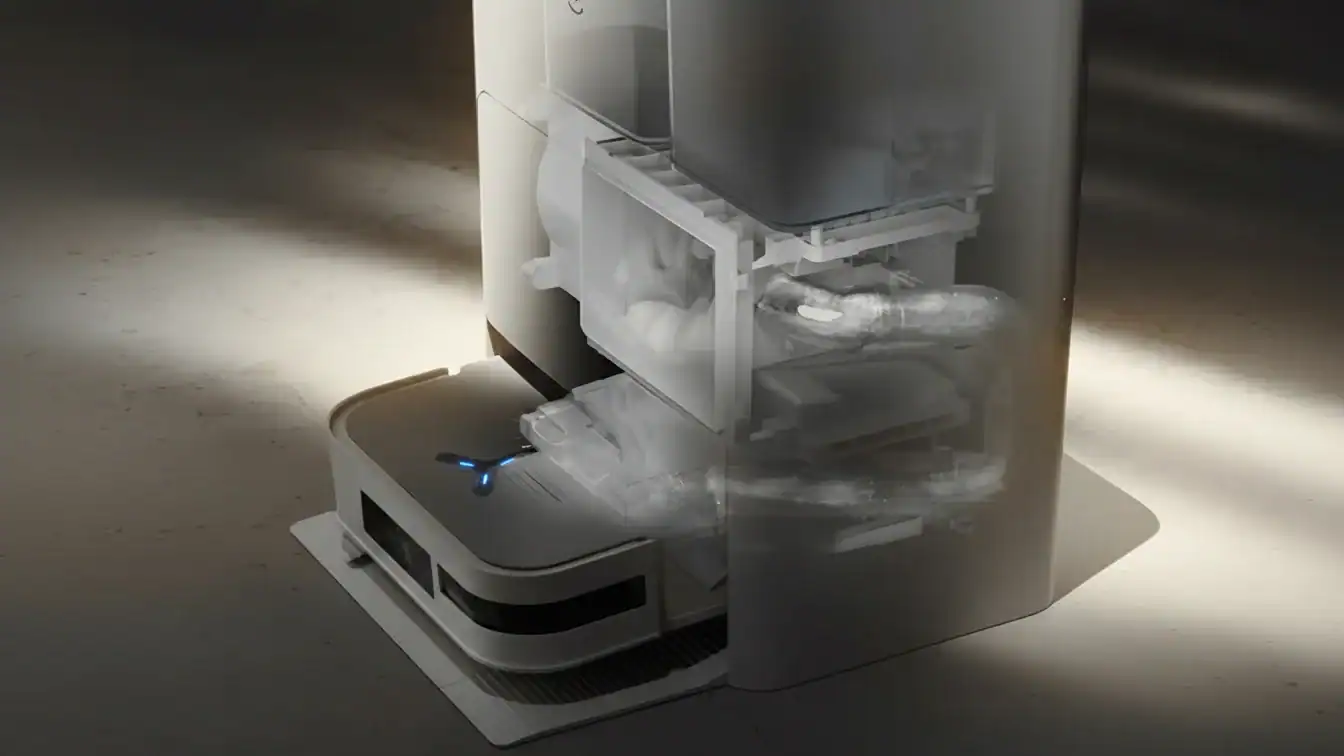
Designing for Trigger-Free Operation
Trigger-free design shifts actuation from isolated fingers to whole-hand or axial force, maintaining thresholds under 3.4 lbs to eliminate repetitive strain and stabilize cylindrical grips.
| Mechanism / Context | Technical Benchmark |
|---|---|
| Repetitive Start Buttons | < 3.4 lb (15 N) force / < 1.5s hold time |
| Arthritis-Specific Design | 0–300 mmHg grip / 0–30 kg pinch range |
| Surgical Instruments | Ratchets or locks to eliminate sustained squeezing |
| Industrial Power Tools | Axial feed force (Push-start) |
Principles of Actuation Mapping and Strain Reduction
Standard triggers force the index finger to bear the entire load of tool activation. This isolation causes cumulative trauma. Engineers now map control inputs to larger muscle groups or natural tool-loading actions to maintain a neutral wrist posture and stable grip.
- Push-start screwdrivers: Tool activates via axial feed force, allowing a permanent, stable cylindrical grip.
- Strip triggers: Use all fingers simultaneously to distribute the load and lower peak force per digit.
- Lever-start systems: Integration of the trigger into the full hand-grip for high-stability, long-cycle operations.
- Surgical Ratchets: Mechanical locks maintain tissue grasp so surgeons avoid continuous squeezing and muscle fatigue.
Force Thresholds and Technical Actuation Modalities
Designers must quantify the physical limits of the user base. For populations with hand osteoarthritis, grip and pinch strengths drop significantly. Radiologic severity (Kallman scores) correlates directly with these deficits, requiring tools that function within reduced force envelopes.
- Activation Ceiling: Repetitive switches must stay below 3.4 lb (15 N) to prevent tendinitis and CTS.
- ISO 11064 Compliance: Human-centered design protocols for control reach and minimized cognitive load.
- Thumb Triggers: Best for chipping hammers or high-feed-force tools to maintain stability during actuation.
- Surface Geometry: Eliminate sharp ridges and high-pressure contact points to prevent nerve compression.
- Benchmarking Tools: Use Jamar hydraulic dynamometers and the Arthritis Hand Function Test (AHFT) to validate prototype force requirements.
Removing the trigger doesn’t just reduce strain; it changes how the operator interacts with the tool. By shifting actuation to the arm or whole hand, the tool becomes an extension of the limb rather than a source of localized stress.
Scale Your Brand with High-Performance Custom Vacuum Solutions

Grip Ergonomics for Arthritic Accessibility
Limit power grip force to 5 lbf and maintain a 2.5–3.0 inch grip span to accommodate reduced strength and prevent joint fatigue in arthritic users.
| Metric | Technical Standard / Value |
|---|---|
| Max Power Grip Force | 5 lbf (22.2 N) |
| Grip Span Limit | 2.5 – 3.0 inches |
| AHFT Grip Strength | 0–300 mmHg |
| AHFT Pinch Strength | 0–30 kg |

Biomechanical Principles and Strength Thresholds
The U.S. Access Board and ADA-ABA standards mandate a 5 lbf (22.2 N) maximum force for operable parts. This threshold ensures users with rheumatoid or osteoarthritis can activate controls without tight grasping or pinching. Data from 495 wheeled mobility users confirm that force requirements exceeding this limit exclude a significant percentage of the population.
Designers must prioritize full hand wrap-around to distribute mechanical loads across the palm. This prevents localized pressure on sensitive finger joints. Increasing the surface area of the grip maximizes friction, which reduces the tension the user must apply to maintain control.
- Grip Measurement Tools: Jamar hydraulic hand dynamometer and Jamar hydraulic pinch gauge.
- Validation Standard: Arthritis Hand Function Test (AHFT) for performance-based dexterity.
- Testing Protocol: American Society of Hand Therapists (ASHT) elbow-at-90° position.
Technical Geometry and Material Specifications
Grip span is the most critical geometric variable for arthritic hands. Spans outside the 2.5 to 3.0-inch range significantly reduce effective hand strength and accelerate joint fatigue. Architecture should feature smooth transitions to accommodate tremors and limited dexterity, avoiding any sharp ridges that create painful pressure points.
Material selection focuses on vibration dampening and friction. Overmolded Thermoplastic Elastomer (TPE) protects joints from impact while providing high tactile feedback. The surface geometry should include mechanical interlocks to assist with axial loads without requiring a death grip.
- Material: Overmolded Thermoplastic Elastomer (TPE).
- Surface Features: Flute cuts and specialized contours for axial stability.
- Durability Standard: ASTM D3389 abrasion testing.
- Dexterity Benchmarks: Nine-Hole Peg Test (NHPT) and Purdue Pegboard Test.
Radiologic severity in osteoarthritis patients correlates directly with performance drops in pegboard tasks and grip readings. Engineering teams should use these numeric benchmarks to validate that a handle design maintains functionality even as a user’s condition progresses.
Procurement Checklist for Medical Supply Buyers
Prioritize 30–50mm grip diameters, reaches under 15 inches, and ISO/FDA compliance. Reject tools requiring >20lb force or sustained neck flexion exceeding 10° to ensure operator safety.
Medical procurement teams must move beyond basic price-per-unit metrics. A rigorous technical spec review ensures equipment meets global design certifications while accommodating diverse clinician body sizes. This process shifts ergonomic evaluation from a subjective “feel” to a documented requirement during the technical evaluation stage.
Regulatory Standards and Postural Compliance Factors
Standardizing on equipment that facilitates neutral working postures reduces long-term musculoskeletal strain and workers’ compensation risks. Buyers should verify that all hand and foot controls stay within a comfortable reach envelope and that devices offer sufficient adjustability for varied user anthropometrics.
- Mandatory Certifications: Require documented compliance with ISO, CE, FDA, or BIS ergonomic and medical device design standards.
- Safe-Patient-Handling (SPH): Prioritize devices that minimize lifting and provide easy accessibility for all controls.
- Technical Spec Review: Audit device adjustability ranges to ensure they meet the 5th to 95th percentile of user body sizes.
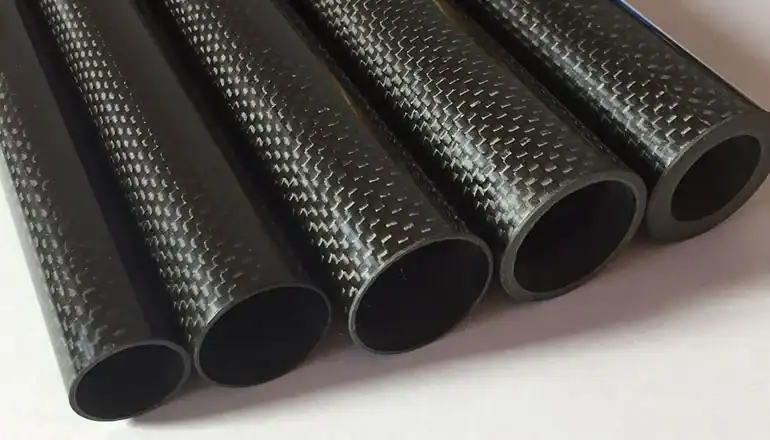
Quantitative Ergonomic Thresholds for Grip and Reach
Quantifying ergonomic risk allows procurement to flag high-risk tools before they enter the supply chain. Tools forcing non-neutral wrist or hand postures for more than one hour, or those combining high force with repetitive motion, should be engineered out or rejected. Validation should rely on clinical-grade instruments like the Jamar hydraulic dynamometer.
- Handle Diameter: 30–50 mm (1.2–2.0 in) for cylindrical power-grip tasks.
- Horizontal Reach: 8–12 inches for females and 10–15 inches for males; reaches exceeding 20 inches represent severe ergonomic risk.
- Neck Flexion: Maintain 0–10° limits; positions exceeding 15° for over one hour are classified as high risk.
- Force Limits: Flag any device requiring lifting over 20 lb or sustained push-pull forces without mechanical assistance.
- Dexterity Benchmarks: Use Nine-Hole Peg Test or Arthritis Hand Function Test (AHFT) metrics to validate interfaces designed for users with compromised hand function.
When evaluating tools for specialized departments like rheumatology, procurement should demand data on applied strength. Effective tools for these environments must function within specific grip strength ranges (0–300 mmHg) and dexterity counts to remain usable for both clinicians and patients with functional limitations.
UX Research Methods for Hand Mobility Issues
Validating hand mobility designs requires pairing home-based qualitative mapping with quantitative benchmarks like 20mm key spacing and 3 mNm torque steps to ensure functional accessibility.
Qualitative User-Centered Design (UCD) Approaches
Real-world environments reveal barriers that clinical settings hide. Researchers conduct home-based interviews to observe how users with motor neurone disease (MND) manage standard technology while dealing with involuntary finger twitching.
Affinity mapping categorizes these observations into design specifications. This process identifies specific interaction requirements for assistive switches and car accessory controls. Iterative usability studies then refine interface layouts by observing body language and gesture-based interactions.
Quantitative Biometric and Anthropometric Validation
Mechanical design relies on precise physical data points rather than intuition. Engineering teams use standardized benchmarks to validate haptic feedback and ensure ergonomic shell geometries fit specific user percentiles.
- Range of Motion (RoM): Finger lever paths of ~80° and thumb paths of ~40° define safe grasping envelopes.
- Key Pitch Standards: Minimum 17.8 mm spacing is required, though 20 mm is recommended to accommodate thumb reach percentiles.
- Torque Compensation: Motor steps of 3 mNm via linear regression achieve accurate impedance control in haptic devices.
- Grip Strength Metrics: The Arthritis Hand Function Test (AHFT) measures grip from 0–300 mmHg and pinch from 0–30 kg.
- Dexterity Benchmarks: The Nine-Hole Peg Test and Purdue Pegboard Test provide reproducible numeric scores for fine motor performance.
Clinical instruments like Jamar hydraulic dynamometers and pinch gauges establish the performance baseline. These tools help teams calculate how much a condition like osteoarthritis reduces grip force, directly informing the torque requirements for assistive actuators.
Testing three size-specific shell geometries aligned to the 5th and 95th percentile hand dimensions prevents fingertip collision during device closure. This anthropometric data ensures the device remains functional across a broad demographic of users with hand mobility constraints.
Final Thoughts
Traditional triggers isolate the index finger, causing rapid fatigue and nerve damage. Shifting to axial force or whole-hand activation reduces peak stress but requires strict technical calibration to maintain operator control.
Audit your hardware inventory against the 5 lbf force limit and 3.0-inch grip span threshold. Replace tools requiring sustained squeezing with ratcheted or push-start mechanisms immediately.
Frequently Asked Questions
Does the vacuum use a ‘Stay-On’ toggle switch or a momentary trigger?
Vacuum cleaners use momentary triggers to comply with OSHA ergonomic standards. This design eliminates the constant gripping strain required by toggle switches, which is vital for users with restricted hand function measured in the 0–300 mmHg AHFT grip strength range.
Is the handle diameter optimized for small hands?
Yes. Handle diameters between 3.1 cm and 3.8 cm provide the highest grip force efficiency. Research identifies 3.8 cm as the optimal diameter for achieving the lowest grip force-to-EMG ratio, specifically accommodating users with reduced pinch strength (0–30 kg) often seen in hand osteoarthritis patients.
Is the grip area over-molded with soft TPE rubber?
Manufacturers over-mold grip areas with soft Thermoplastic Elastomer (TPE) to create non-slip, low-vibration surfaces. This material choice compensates for dexterity deficits identified by Nine-Hole Peg Test benchmarks, ensuring better tool control and comfort during operation.

 English
  Español
  Français
  Deutsch
  Português do Brasil
  Русский
  한국어
한국어  日本語
日本語  العربية