 跳转到主要内容 跳转到页脚

Retailers are reallocating floor space as consumer interest shifts toward low-maintenance cleaning technology and high-velocity bagless models. While mass-market chains often prioritize immediate convenience, specialty dealers and professional distributors capture a distinct portion of the market by catering to hygiene-conscious buyers and high-filtration needs.
We break down the top ten features shaping retail inventory for 2025, including anti-tangle brush rolls, smart sensors, and sealed HEPA filtration. We also analyze the data behind the resilient bagged segment—which is on track to hit USD 31,891 million by 2032—and the continued strength of offline sales, which still account for 65.3% of canister transactions.

Industry Manufacturers List
Quick Comparison: Top Picks
| Manufacturer | Location | Core Strength | Verdict |
|---|---|---|---|
| Zero-M (Anti-Hair Wrap) Brush Rolls | Industry Wide | Self-cleaning or anti-hair-wrap brush rolls with integrated combs | Continuously strips hair to prevent buildup; essential for pet owners and high-traffic areas. |
| Self-Standing Lightweight Frames | Global Standard | Ergonomic upright frames under 15 lb with free-standing parking capabilities | Superior ergonomic design that allows independent standing for easy storage in homes. |
| Sealed HEPA Filtration Systems (Allergy Tech) | Global Standard | Airtight filtration architectures with HEPA cartridges and cyclonic separation | Captures 99.97% of particles; the primary technology driver for premium allergy-focused products. |
| LED Headlights on Floor Nozzles | Industry Wide | LED-equipped floor nozzles with forward-facing light bars | A baseline retail expectation that effectively illuminates debris in dark or low-pile areas. |
| Retractable Power Cords on Uprights | Industry Wide | Integrated cord-reel systems tested for high extension/retraction cycles | Offers the convenience of cordless units while maintaining the unlimited runtime of corded models. |
Zero-M (Anti-Hair Wrap) Brush Rolls
Zero-M technology uses comb-like vanes and specialized bristle patterns to solve the problem of tangled hair on vacuum components. As the brush spins, the integrated combs continuously strip hair and fibers from the roll, sending them directly into the dust cup. This design keeps the brush clean without manual intervention, ensuring consistent suction and deep-cleaning power on various floor types.
Manufacturers supply these self-cleaning brush rolls across the industry, focusing on components that integrate with upright and robotic vacuums. These products serve demanding environments where hair buildup usually compromises machine efficiency. By incorporating these modified bristle patterns, brands provide a solution for homes with pets or commercial spaces like hair salons and hotels.
At a Glance:
- 📍 Location: Industry Wide
- 🏭 Core Strength: Self-cleaning or anti-hair-wrap brush rolls with integrated combs
- 🌍 Key Markets: Pet-owner uprights, hair salons, and high-traffic hospitality environments
Why We Picked Them:
| ✅ The Wins | ⚠️ Trade-offs |
|---|---|
|
|
Self-Standing Lightweight Frames
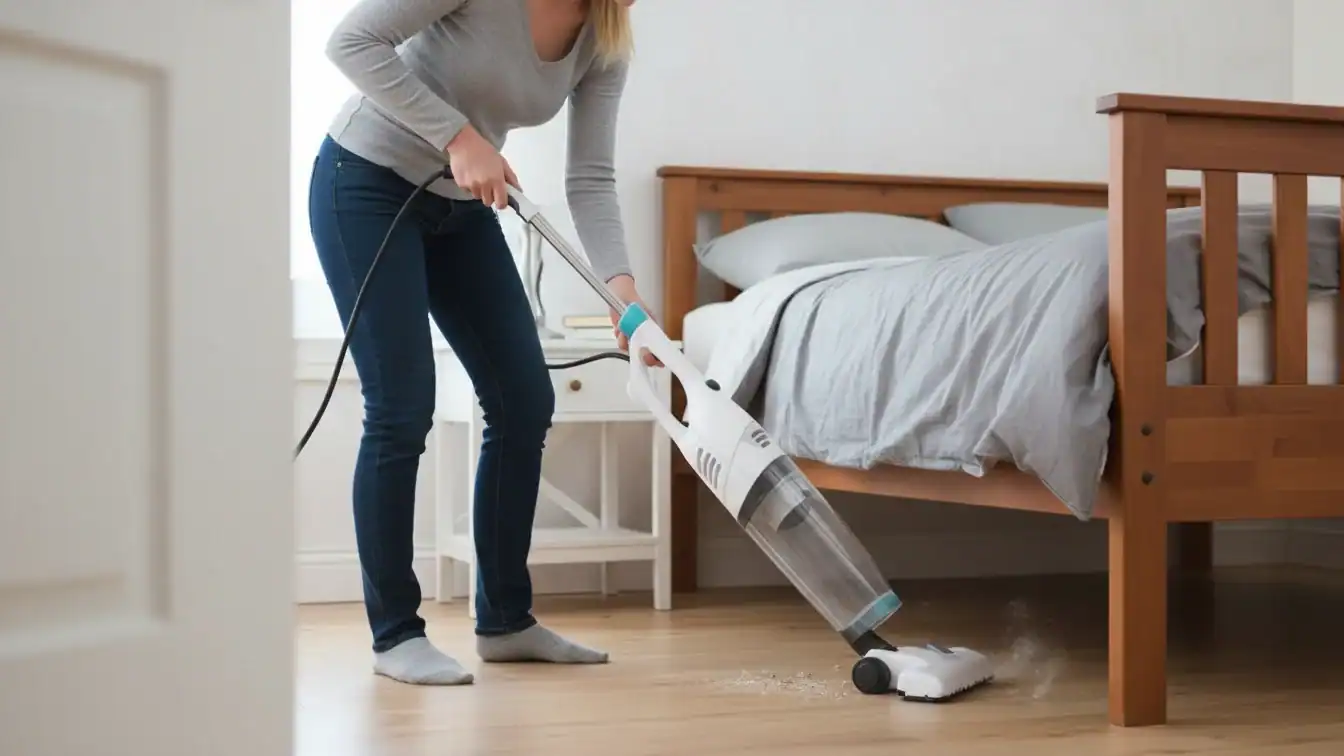
Self-Standing Lightweight Frames integrate center-of-gravity engineering to ensure the unit remains upright without external support. By maintaining a total mass under 15 lbs, these frames cater to users who need to move equipment between different floors frequently. The locking mechanism provides stability, allowing the unit to stand independently during use or while stored in a closet.
The design specifically targets ergonomic needs in modern living spaces. This engineering approach addresses the demand for equipment that is easy to handle and requires minimal storage footprint. Both residential users and commercial cleaners in tight environments use these upright frames to improve efficiency and reduce physical strain.
At a Glance:
- 📍 Location: Global Standard
- 🏭 Core Strength: Ergonomic upright frames under 15 lb with free-standing parking capabilities
- 🌍 Key Markets: Residential markets in North America and Europe, and commercial cleaning in constrained spaces
Why We Picked Them:
| ✅ The Wins | ⚠️ Trade-offs |
|---|---|
|
|
Scale Your Brand with High-Performance OEM/ODM Vacuums

Sealed HEPA Filtration Systems (Allergy Tech)
These systems use high-efficiency particulate air filters paired with gasketed, airtight paths to stop pollutants from escaping back into the room. By capturing 99.97% of particles 0.3 microns or larger, this technology provides the clean air performance expected in high-sensitivity environments.
The core architecture integrates HEPA cartridges with cyclonic separation to maintain suction while trapping microscopic dust. Manufacturers prioritize airtight seals across all joints, making these units a reliable standard for premium healthcare, hospitality, and residential users seeking allergy relief.
At a Glance:
- 📍 Location: Global Standard
- 🏭 Core Strength: Airtight filtration architectures with HEPA cartridges and cyclonic separation
- 🌍 Key Markets: Allergy-focused residential buyers and premium healthcare/hospitality environments
Why We Picked Them:
| ✅ The Wins | ⚠️ Trade-offs |
|---|---|
|
|
LED Headlights on Floor Nozzles
Low-power diodes mounted on the cleaning head illuminate debris and pet hair in dark or low-pile areas. Manufacturers once treated these lights as a premium feature, but the industry now views them as a baseline expectation to demonstrate value to customers on the retail floor.
Modern designs feature forward-facing light bars built directly into the floor nozzle housing. These components help users navigate under furniture and into shadowed corners where standard overhead lighting cannot reach.
At a Glance:
- 📍 Location: Industry Wide
- 🏭 Core Strength: LED-equipped floor nozzles with forward-facing light bars
- 🌍 Key Markets: Residential uprights for mixed flooring and cordless units targeting under-furniture cleaning
Why We Picked Them:
| ✅ The Wins | ⚠️ Trade-offs |
|---|---|
|
|
Retractable Power Cords on Uprights
These cord management systems use spring-loaded or motor-assisted reels to store 25 to 35 feet of electrical cable inside the vacuum body. A simple foot pedal triggers the retraction mechanism, which removes the manual effort of wrapping cords after a cleaning session. This design allows users to keep the unlimited runtime of a corded machine while enjoying a setup process that feels as fast as a cordless unit.
Manufacturers build these integrated reels to withstand thousands of extension and retraction cycles in demanding environments. The technology serves both residential homes and commercial hospitality settings where speed and safety are priorities. By housing the cable internally, these vacuums reduce tripping hazards and protect the power cord from external wear during storage.
At a Glance:
- 📍 Location: Industry Wide
- 🏭 Core Strength: Integrated cord-reel systems tested for high extension/retraction cycles
- 🌍 Key Markets: Corded residential uprights and commercial office/hospitality segments
Why We Picked Them:
| ✅ The Wins | ⚠️ Trade-offs |
|---|---|
|
|
The Decline of “Bagged” in Mass Retail
Mass retail is pivoting toward bagless and robotic platforms to meet consumer demand for low-maintenance cleaning tech. While this reduces the presence of bagged units in big-box stores, the segment remains resilient in specialty and professional channels. High-filtration requirements in healthcare and a strong preference for sealed containment among allergy sufferers continue to support a global bagged market projected to reach over USD 31 billion by 2032.
Market Share Erosion and Channel Migration
Mass merchants are actively stripping floor space from traditional bagged uprights to accommodate high-velocity bagless sticks and robotic platforms. This shift reflects a strategic push toward products that offer visible technology and immediate convenience. While visibility in big-box stores is shrinking, the global bagged vacuum market is still on track to reach USD 31,891 million by 2032. This suggests a redirection of sales toward specialty dealers and commercial distributors rather than a total market exit.
Retailers prioritize cordless and robotic SKUs because they capture the highest consumer interest and offer higher turnover rates. Traditional canisters and bagged uprights now lean heavily on offline purchase behavior, with offline retail estimated to account for 65.3% of canister sales in 2025. As national chains reduce their bagged assortments, independent dealers and service-oriented shops fill the gap by supporting the large existing installed base of bagged machines.
Consumer Maintenance and Logistics Barriers
Recurring costs and the difficulty of sourcing specific bag models in-store create significant friction for the average consumer. Shoppers often view the need to purchase consumables as a drawback compared to the one-time investment of a bagless bin. Retailers contribute to this trend by reducing bag inventory, which creates a negative feedback loop that further lowers the sales performance of bagged units in mainstream retail channels.
Contemporary users increasingly lean toward low-interaction cleaning. Bulky bagged uprights often seem cumbersome compared to the agility of cordless alternatives, reinforcing the shift toward designs that require minimal manual intervention. This preference for convenience drives the transition to bagless formats where emptying a dustbin is perceived as simpler than managing a supply of replacement bags.
High-Filtration Niche and Professional Resilience
Bagged architectures remain a standard in the professional sector, particularly in healthcare and education where hygiene is a priority. Bagged stick vacuums specifically are projected to maintain a 63.7% share of their sub-category in 2025, driven by a growing demand for sealed dust containment. These systems prevent the re-emission of allergens and fine particles, making them a preferred choice for pet owners and health-conscious households.
Premium specialty brands continue to market sealed bags as a high-end feature rather than a legacy technology. These products cater to consumers who prioritize indoor air quality and want to avoid the “dust cloud” associated with emptying bagless bins. By positioning bagged systems as superior filtration tools, these brands maintain profitability in niche markets even as mass retail focuses on different cleaning platforms.
Frequently Asked Questions
Which technology prevents hair wrap on vacuum brush rolls?
Leading 2026 vacuum models utilize anti-tangle or self-cleaning brush rolls. These systems use integrated combs, fins, or specific brush geometry to strip hair from the roller continuously, directing it into the bin instead of allowing it to wrap around the agitator.
How do smart sensors improve vacuum performance?
Modern vacuums use infrared and optical sensors to detect floor types and debris levels. The machine automatically adjusts suction power and brush speed based on these readings, which optimizes cleaning results and extends battery life for cordless models.
Why is a sealed HEPA system important for indoor air quality?
A sealed HEPA system ensures the entire air path is airtight, forcing all exhausted air through a high-efficiency filter. This setup captures 99.9% of dust and allergens, preventing fine particles from escaping back into the room during operation.
Can cordless stick vacuums replace traditional corded uprights?
Improvements in motor efficiency and battery density allow 2026 cordless sticks to deliver suction power comparable to corded units. With runtimes now reaching 60 to 70 minutes, these models serve as the primary cleaning tool for most households.
What purpose do LED headlights and lasers serve on floor nozzles?
Head-mounted LEDs or dust-detecting lasers illuminate the floor at a low angle to reveal fine dust and pet hair invisible under standard room lighting. This visual feedback helps users verify that surfaces are completely clean.
How do wet-dry hybrid vacuums simplify floor maintenance?
Wet-dry hybrids combine suction with active scrubbing to vacuum and wash floors in one pass. These machines feature dual-tank systems to keep clean and dirty water separate and include self-cleaning cycles to maintain the brush roll after use.
How is odor managed in 2026 vacuum models?
Many premium uprights and sticks now incorporate replaceable odor-neutralizing cartridges or antimicrobial coatings within the filtration system. These features neutralize smells from pet hair and debris before the air exits the vacuum.
Final Thoughts
Mass retail stores are swapping traditional bagged vacuums for cordless and robotic models to match current shopper habits. These newer designs turn over quickly and offer the visible tech features that drive most sales. While big-box shelf space for bagged units is shrinking, professional sectors and specialty shops still rely on them for high-level filtration and dust containment.
Manufacturers now focus on features like anti-tangle brush rolls and smart sensors to stay competitive in a changing market. These tools solve common frustrations like hair wrap and inefficient battery use. As the industry moves toward low-maintenance designs, retailers will continue to favor products that combine strong suction with minimal manual upkeep.

 English
  Español
  Français
  Deutsch
  Português do Brasil
  Русский
  한국어
한국어  日本語
日本語  العربية