 跳转到主要内容 跳转到页脚

Sourcing wet/dry vacuums for residential environments often forces a compromise between industrial power and home-friendly design. Most commercial cleaners feature loud motors and vibrant orange finishes that clash with modern interiors, creating a gap for buyers who need professional suction in a domestic setting. Finding a true hybrid cleaner means identifying tools that offer workshop performance without the typical noise or aesthetic baggage.
We break down the technical requirements for these residential units, from monochromatic color matching to specialized 360-degree non-marring casters. This guide details why the 4-6 gallon tank has become the industry sweet spot for portability and examines noise reduction technologies that keep operation below 65 dBA, allowing for normal conversation during heavy-duty cleaning.
The Aesthetic Gap: Industrial Orange vs. Home Appliance Design
The aesthetic divide exists because industrial design emphasizes durability through vibrant accents like orange and teal, whereas home appliances focus on architectural harmony with white or black finishes. Moving into 2026, manufacturers must navigate these differences to ensure products meet residential expectations for ADA compliance and Energy Star efficiency.
| Design Element | Industrial Visual Language | Residential Standard |
|---|---|---|
| Primary Color Palette | Orange, Teal, and Green accents | Standardized White or Black |
| Finish and Materials | Unfinished base, exposed structural elements | Polished CMF (ABS and PC plastics) |
| Compliance Focus | High-visibility and high-durability signals | ADA accessibility and Energy Star ratings |
Visual Identity and Industrial Color Palettes
Industrial aesthetics rely on high-visibility orange and teal accents to complement raw materials like brick and exposed pipes. This design philosophy celebrates structural honesty, using vibrant earthy tones to punctuate unfinished, monochromatic bases. Factories and warehouses prioritize these colors to signal safety and function in rugged environments.
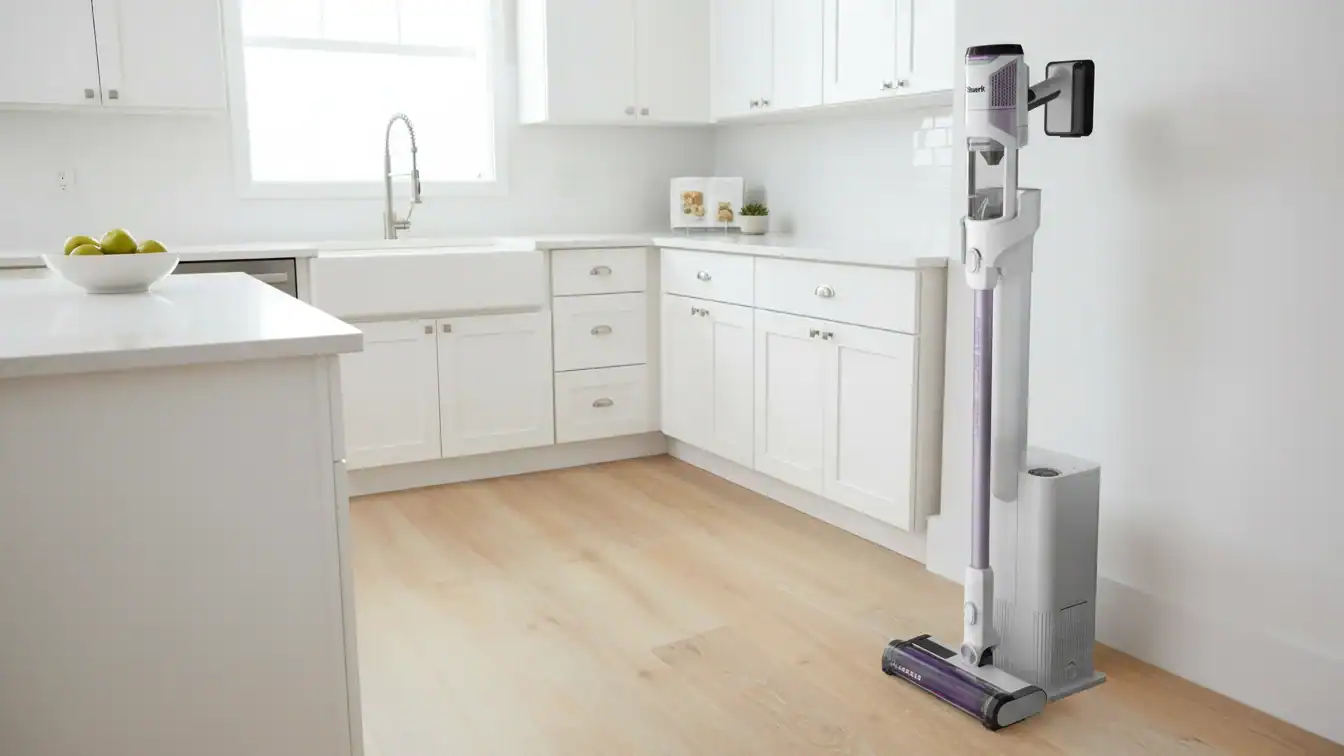
Residential appliances utilize monochromatic white or black finishes to ensure compatibility with standard kitchen cabinetry. Architects and homeowners select these neutral tones to maintain architectural harmony across refrigerators, ranges, and hoods. Manufacturers apply Pantone-matched ABS and PC plastics to maintain consistent color, material, and finish (CMF) standards throughout a product line.
Technical Constraints and Regulatory Alignment
ADA compliance mandates that 100% of fresh food space stays below 54 inches. This regulation limits vertical industrial form factors that might otherwise utilize tall, slender footprints. Home appliance design must prioritize these accessibility heights to ensure refrigerators and freezers remain usable for all residents, a constraint rarely found in purely industrial equipment.
Standardized appliance dimensions dictate modular residential layouts, such as 30-inch widths for cooktops and 24-inch widths for dishwashers. Performance requirements take precedence over non-traditional color schemes. For instance, vented range hoods must meet specific airflow standards, such as 230 CFM, while maintaining Energy Star ratings for efficiency. These technical benchmarks ensure that domestic tools perform reliably within the strict power and venting configurations of a modern home.
Noise Reduction: Damping the “Jet Engine” Roar
Vacuum engineering in 2026 focuses on reducing noise through specialized motor housings and airflow management. Systems like the Stealthsonic series now operate below 65 dBA, which allows for normal conversation during use. These designs dampen high-frequency whining while maintaining the high suction power needed for professional and home workshop environments.
| Model / Technology | Noise Level (dBA) | Performance Metric |
|---|---|---|
| DEWALT Stealthsonic (12-Gal) | <65 dBA | 5.5 Peak HP / 105 CFM |
| DEWALT Stealthsonic (16-Gal) | 50% Quieter vs Legacy | 6.5 Peak HP / 135 CFM |
| Shop-Vac Vac-Mop Hybrid | ~75 dB | 15,000 Pa Suction |
| RYOBI Whisper Series (1-Gal) | Optimized Low-Noise | 18V Cordless Portability |
| KelyLands Home Units | 75-82 dB | 20,000 Pa Suction |
Engineering Quiet Performance in High-Power Motors
Advanced sound-dampening foam and motor optimizations reduce the traditional jet engine roar by up to 50% compared to legacy models. These internal modifications trap acoustic vibrations before they escape the motor housing. Engineers specifically target the high-frequency pitch that typically causes user fatigue during long cleaning sessions.
Specialized airflow paths minimize air turbulence, a primary source of noise in high-horsepower vacuums. By smoothing the transition of air as it moves through the intake and exhaust, manufacturers maintain high suction rates while lowering the decibel output. This mechanical balancing ensures that the vacuum does not lose the static pressure required for heavy debris pickup.
Whisper Series technology allows compact 18V cordless units to operate in noise-sensitive indoor environments. These systems provide a bridge for professionals working in occupied offices or residential areas where loud machinery creates disruptions. The dampening hardware preserves battery life by reducing the energy wasted on acoustic vibration.
Comparative Decibel Ratings and Suction Efficiency
The DEWALT Stealthsonic 12-gallon model delivers less than 65 dBA while maintaining 5.5 peak HP and 105 CFM airflow. This specific balance proves that low noise levels do not necessitate a drop in industrial performance. At 65 dBA, the unit produces roughly the same sound level as a standard household conversation, eliminating the need for constant hearing protection.
Shop-Vac vac-mop hybrids operate at approximately 75 dB with 15,000 Pa suction. These tools prioritize portability and multi-surface cleaning for lighter duties. Similarly, KelyLands units target a noise range of 75-82dB for high-suction home cleaners, reaching up to 20,000 Pa. These metrics show a clear trade-off where higher suction pressure often correlates with a slight increase in noise compared to dedicated quiet-series workshop vacuums.
Larger 16-gallon variants achieve 135 CFM and 6.5 HP, demonstrating that industrial-scale debris removal has evolved beyond the excessive noise levels of previous decades. Even at these higher power tiers, motor optimizations keep the sound profile manageable for multi-user environments. Modern tankless systems like the NXT DryVac also support up to six users simultaneously while maintaining moderate noise levels through eco-focused low-water designs.
Storage: Integrated Hose & Cord Wraps
By 2026, premium storage solutions utilize High-Density Polyethylene (HDPE) and 1050 Ballistic Nylon to bundle vacuum accessories. These systems maintain structural integrity across temperatures from -40°F to 280°F and feature specialized coatings to prevent static discharge. Designers use specific spiral length formulas to ensure tight, space-saving coils for hoses up to 2 inches in diameter.
Material Engineering for Compact Cord Bundling
Engineers utilize 1050 Ballistic Nylon with urethane coatings to achieve high abrasion resistance and maintain reliable hook-and-loop closures. High-Density Polyethylene (HDPE) serves as a primary material due to its extreme thermal tolerance, functioning effectively between -40°F and 280°F (-40°C to 138°C). Low-Density Polyethylene (LDPE) complements these systems by providing the flexibility needed to bundle thin power cords and internal wire harnesses. Woven textile sleeves ensure the assembly resists damage from organic oils and chemicals commonly found in automotive detailing environments.
Safety Standards and Sizing Calculations
Compliance with MSHA #IC-264/0 and AS 2600 standards ensures storage wraps remain fire-resistant and anti-static (FRAS) to prevent dust ignition in hazardous settings. Designers determine the required wrap length by dividing the hose outer diameter by the spiral inner diameter and multiplying by the total hose length. Integrating photoluminescent additives provides up to 12 hours of visibility for cord locations in low-light storage areas. Beveled edge geometries on HDPE spirals specifically reduce mechanical stress on 2.5-inch hoses during long-term storage in coiled configurations.
Scale Your Brand with High-Performance Custom Vacuum Cleaners

Mobility: 360-Degree Casters for Indoor Floors
Modern indoor utility units in 2026 use 360-degree swivel casters made from non-marring materials like TPR and polyurethane to ensure silent, mark-free movement. These components feature double ball bearings and reinforced steel frames, supporting load capacities ranging from 120 lb to 1,000 lb per wheel while protecting hardwood and tile.
Surface Protection and Fluid Maneuverability
Non-marring wheel materials like thermoplastic rubber (TPR) and hard rubber prevent drag marks and scratches on sensitive hardwood, tile, and polished concrete. These materials provide a soft yet durable contact point that preserves the aesthetic and structural integrity of indoor flooring during transport.
Full 360-degree swivel rotation enables zero-turn navigation in tight domestic spaces. This mechanical flexibility reduces the physical push-and-pull effort required to move 4-6 gallon units, allowing for precise placement in confined areas without straining the user.
Shock-absorbent rubber treads minimize vibration and low-frequency noise. By dampening the impact of floor joints and surface imperfections, these casters maintain a quiet environment, which is essential for residential operation and noise-sensitive commercial spaces.
Load Engineering and Bearing Specifications
Heavy-duty caster designs utilize a 65D durometer polyurethane bonded to aluminum cores. This specific material composition allows the wheels to handle high-stress loads without developing flat spots, ensuring the wheels remain circular even after long periods of static storage.
Reinforced zinc-plated steel frames and thickened universal columns provide the structural foundation for weight ratings between 120 lb and 1,000 lb per caster. The zinc plating offers a layer of corrosion resistance, while the thickened steel prevents the frame from bending under maximum capacity.
Double ball bearing systems and 7/16-inch grip ring stems provide long-term stability and smooth rotation. For units requiring stationary security, locking mechanisms and top brakes effectively stop movement on uneven indoor surfaces, preventing unintended rolling or shifting.
Tank Sizing: The Sweet Spot (4-6 Gallons)
The 4-6 gallon tank volume represents the 2026 market sweet spot by combining professional-grade suction with a compact, portable form factor. This size allows users to handle substantial spills while ensuring the unit remains light enough—typically under 45 pounds when full—for easy transport and storage.
The Hybrid Balance of Capacity and Footprint
Stanley 6-gallon models utilize 4 peak HP motors to deliver 75 CFM, providing a high-efficiency cleaning solution for 2026 garage and basement environments. This configuration allows the vacuum to handle substantial debris while maintaining a footprint manageable for home storage. Manufacturers pair these 4-6 gallon tanks with motors in the 4-6 peak HP range to optimize the ratio of airflow to unit bulk. This engineering choice keeps noise levels acceptable for indoor use without sacrificing the suction power required for professional tasks.
RIDGID 4-gallon units further emphasize portability, maintaining a compact footprint of approximately 16.5 inches in height and 20.1 inches in width. These dimensions are designed to fit standard truck job boxes and workshop shelving comfortably. By focusing on this size range, designers ensure the tool remains a viable option for both mobile contractors and DIY enthusiasts who operate in restricted workspaces.
Engineering for Polymer Durability and Loaded Handling
Polypropylene and polyethylene tanks offer superior corrosion resistance and acoustic damping compared to traditional thin-walled steel containers. These polymer materials are essential for wet applications, as they do not rust when exposed to liquids and naturally reduce the vibration noise generated by high-velocity airflow. The material choice also contributes to the overall weight reduction of the system, which is critical for a hybrid tool.
Weight management is a primary factor in the 4-6 gallon class. A 4-gallon polyethylene tank weighs roughly 18 pounds empty and approximately 44 pounds when full. Staying under the 50-pound threshold ensures the unit remains within the ergonomic lift limits for single-person operation, preventing strain during disposal. Engineering benchmarks for 2026 pressure-rated tanks in this volume class show a 100 psi working capacity, which validates the structural integrity of the poly liner during high-suction tasks even when the tank reaches maximum capacity.
Final Thoughts
The transition from industrial tools to hybrid household appliances reflects a demand for high-performance cleaning that fits residential environments. By integrating 65 dBA noise levels, non-marring TPR casters, and neutral color palettes, engineers have transformed the traditional shop vac into a versatile home asset. These units provide the suction power of a workshop tool while maintaining the architectural harmony and accessibility required for domestic use.
Future sourcing strategies prioritize 4-6 gallon tanks that stay under ergonomic weight limits for single-person handling. Manufacturers who focus on polymer durability and specialized storage for ballistic nylon wraps meet the specific needs of modern homeowners and contractors. This shift toward technical refinement ensures that utility tools no longer compromise on floor protection or quiet operation, setting a new standard for multifunctional cleaning hardware.
Frequently Asked Questions
Can we customize the vacuum housing color to match modern home appliances?
KelyLands provides full OEM color customization using Pantone matching with ABS, PC, and PP resins. This ensures the hybrid unit complements 2026 interior design palettes, typically requiring a 500-unit MOQ for custom housing production.
Is the noise level suitable for indoor residential environments?
Residential-focused hybrid vacuums target noise levels between 60 and 75 dB(A). We utilize acoustic damping materials to reduce the high-pitched motor roar, keeping sound levels comparable to premium household upright vacuums.
Does the unit feature wheels that protect hardwood floors?
Yes, we equip these hybrid models with non-marring rubber or soft-polymer casters. Our engineers select these materials to prevent scratches and scuffing on hardwood, laminate, and polished stone surfaces during multi-directional movement.

 English
  Español
  Français
  Deutsch
  Português do Brasil
  Русский
  한국어
한국어  日本語
日本語  العربية