 跳转到主要内容 跳转到页脚
When you’re sourcing wholesale car vacuum cleaners for a distributor network, the first question isn’t suction power — it’s whether the factory can deliver consistent batch quality at a price that leaves you margin. The market is flooded with suppliers on Alibaba promising 13,000Pa and 4,000mAh for under $8 FOB. Some deliver exactly that. Others ship units that yellow after three months in a store window or die after 150 charge cycles because they swapped in unbranded cells.
The difference between a $6 unit and a $10 unit often comes down to two things you can’t verify in a product photo: plastic compound and battery cell traceability. A low-cost factory might use recycled ABS without UV stabilizers — that’s why your retail partner’s inventory starts looking like it aged a decade. Meanwhile, specifying virgin PC/ABS and requesting a supplier certificate for A-grade Samsung or LG cells costs almost nothing at the contract stage but eliminates the leading causes of returns. That’s the kind of granular quality check import directors overseeing quarterly price reviews need to bake into their sourcing checklists.
Suction Power vs Price
Doubling suction doesn’t double cost—8,000Pa is the real value threshold for import margins.
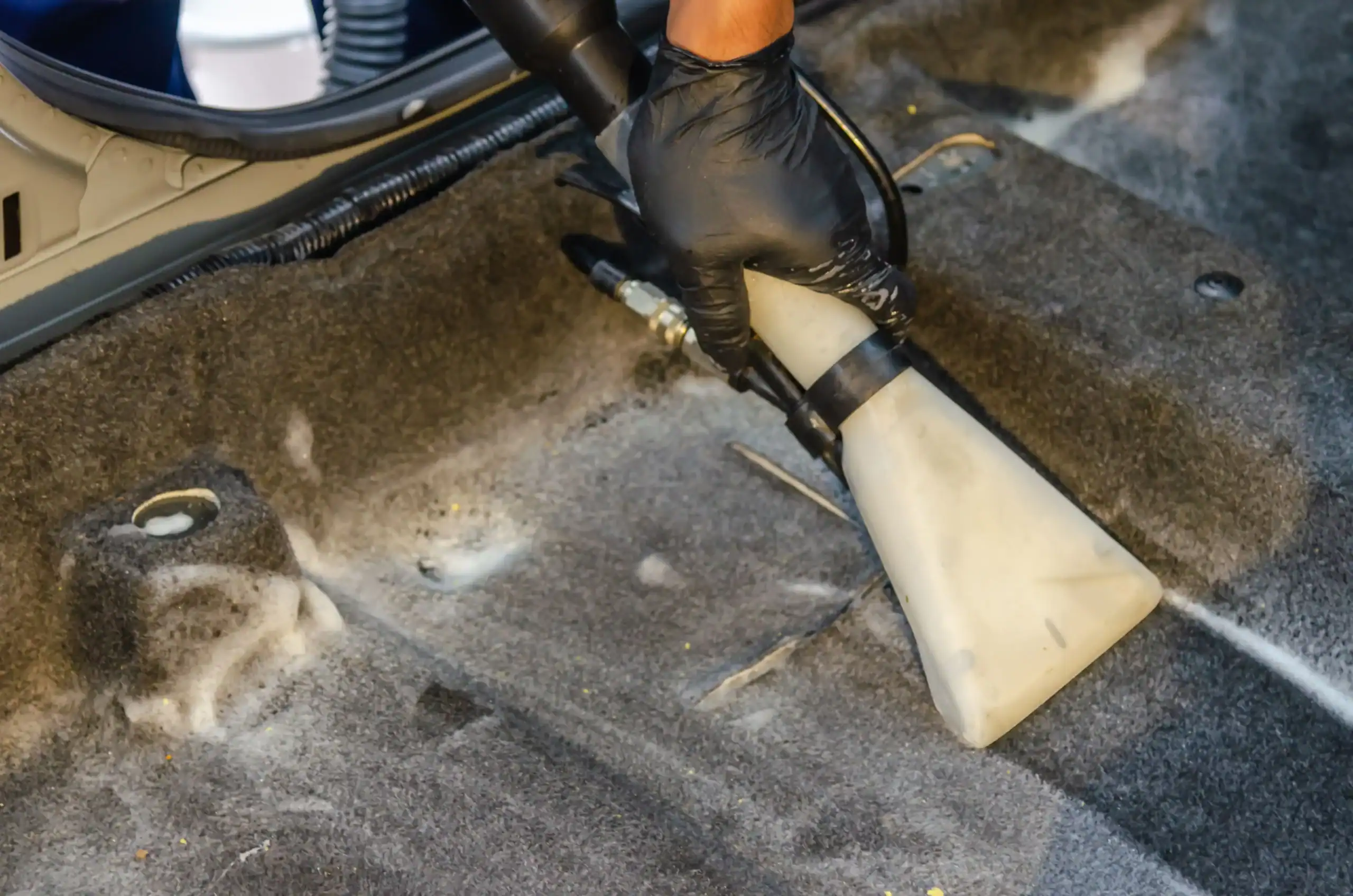
Suction power in car vacuums is measured in Pascals (Pa), but the motor type driving it determines both performance and unit cost. Brushed DC motors are cheaper to produce—typically found in entry-level models under 6,000Pa—but they generate more heat and wear out faster. Brushless motors cost 20–40% more per unit but deliver consistent suction above 8,000Pa, run quieter, and pass 500+ hour life-cycle tests. For importers sourcing wholesale car vacuums, the motor choice directly ties to your warranty risk and end-customer satisfaction.
-
- 5,000–6,000Pa brushed models: FOB $2.50–$4.00/unit. Adequate for light dust only—fails on pet hair or embedded gravel. Not recommended for professional detailing or resale in competitive markets.
- 8,000Pa brushless models: FOB $5.50–$8.50/unit. Industry minimum for car detailing value. Picks up sand, crumbs, and most carpet debris in two passes. Pair with 2,000–3,000mAh battery for 15–20 min runtime.
- 10,000–13,000Pa brushless models: FOB $9.00–$15.00/unit. Handles wet-pickup on sealed surfaces and deep-cleaning upholstery. Includes 4,000mAh battery for 25+ min runtime. The sweet spot for premium private-label lines.
Here’s the key procurement insight: jumping from 5,000Pa to 10,000Pa roughly doubles suction power but adds only about 2.5x to the FOB price—not 4x, as many buyers assume. That’s because the marginal cost of a better motor and battery pack is much smaller than the base cost of the housing, filter, and attachments. So don’t benchmark solely on Pa; ask for motor type and cycle-tested ratings. An 8,000Pa brushless unit at $6.50 FOB is a stronger bet for both margin and durability than a 12,000Pa brushed unit at $8.00 that dies after 200 cycles.
| Suction Power (Pa) | Motor Type | Battery (mAh) | Typical FOB Price (USD) | Best For |
|---|---|---|---|---|
| 5,000 | Brushed | 2,000 | $2.50 – $4.00 | Entry-level spot cleaning; budget retailers |
| 8,000 | Brushed | 2,000–3,000 | $4.00 – $6.50 | Minimum benchmark for car detailing; low-cost wholesale |
| 10,000 | Brushless | 3,000–4,000 | $6.50 – $10.00 | Mainstream performance; best value for importers |
| 13,000 | Brushless | 4,000 | $10.00 – $15.00 | Professional-grade; premium reseller lines |
China Manufacturing Hubs
The manufacturing hub you choose dictates your lead time and quality ceiling.
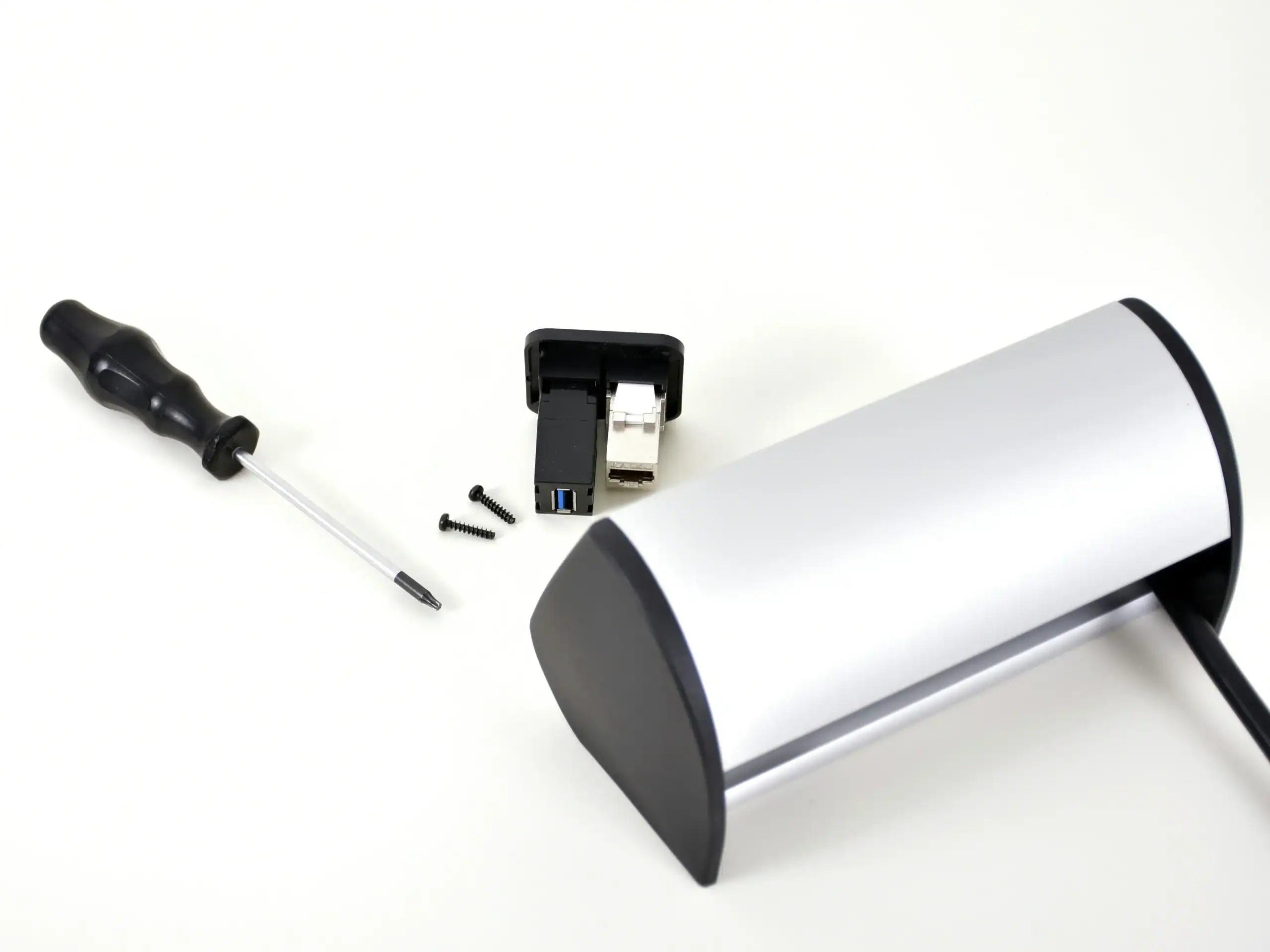
Ningbo’s car accessory manufacturing sits across two main clusters: Cixi (where KelyLands is headquartered) and Yuyao, roughly 40 km apart. Yuyao factories typically focus on plastic injection and assembly for air pumps and vacuum cleaners, while Cixi has a broader mix of electronics, molding, and final assembly. The practical difference for a volume importer comes down to vertical integration: factories in the Yuyao cluster often rely on outsourced motor and battery sub-assemblies, which adds 5–10 days to lead times and introduces another variable for quality control. In contrast, Ningbo-based facilities with in-house injection molding and assembly can own the full process, cutting lead time variance significantly.
-
- Factory Scale: Typical well-equipped facilities run 5,700–7,000 m² of production floor with 50–120 employees. That headcount range signals enough capacity for full-container orders without being so large that you become a low-priority account.
- Injection Molding: Factories operating 20+ injection molding machines in-house control both cost and lead time. When molding is outsourced, each batch incurs transport, repackaging, and potential material substitution risks (e.g., recycled ABS without UV stabilizers can cause yellowing in 3–6 months on retail shelves). Insist on a production line tour to verify whether molding is captive or third-party.
- Assembly Integration: Integrated assembly lines that do motor mounting, filter insertion, and battery pack wiring under one roof cut per-unit cost by roughly 12–18% compared to staged assembly. They also enable real‑time quality checks at each station instead of end‑of‑line rework.
Lead times for a standard wholesale car vacuum order range from 25–45 days with custom packaging and branding, and 7–10 days for plain wholesale units. The variance depends on whether the factory holds common components (motors, filters, battery cells) in stock or orders them on a per‑batch basis. Factories in the Ningbo cluster that maintain buffer inventory of high‑turnover parts can consistently land on the 25‑day side of that range, which is a strong indicator of supply chain discipline.
OEM Customization & MOQ
Custom branding from 500 units.
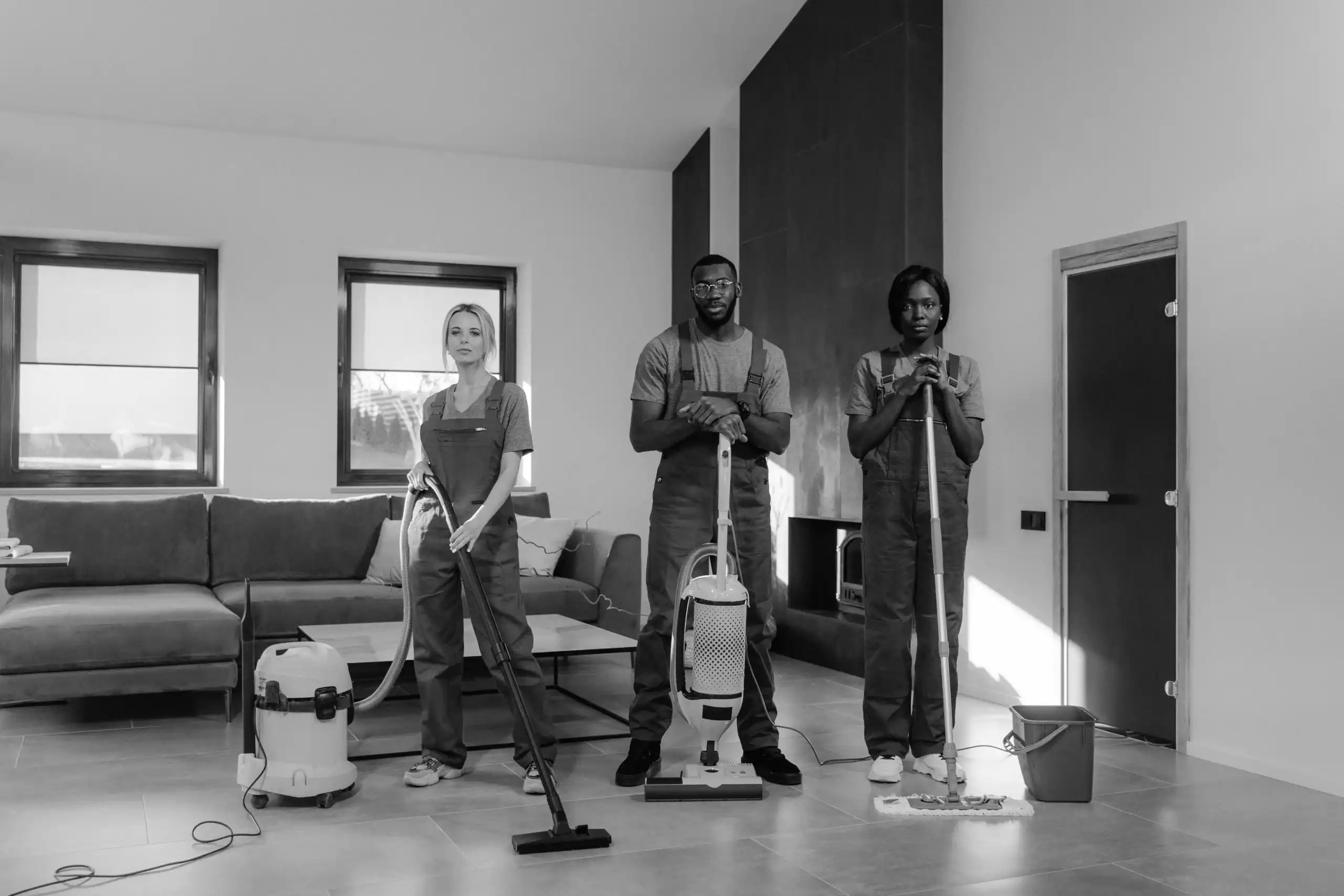
OEM customization is table stakes for any serious car vacuum manufacturer. The difference is whether the factory treats it as a checkbox or a real value-add. We’ve seen suppliers slap a sticker on a generic mold and call it custom—that’s not going to differentiate your retail shelf. Here’s what actual brand-level customization looks like at our Ningbo facility.
-
- Logo application: UV print for full-color graphics (no discoloration up to 50°C), pad print for single-color logos on curved surfaces, and laser engrave for permanent marking on ABS/PC. Lead time: 3–5 days for tooling, no extra per-unit cost beyond plate setup ($30–$80 per color). UV print adds 0.15mm raised surface—avoid if you need flush branding.
- Custom color shells: Minimum 500 units per color match. We use virgin PC/ABS pellets, color-matched to RAL or Pantone within 48 hours. Factory can pull from existing masterbatch library to lower tooling cost by 60%—request color swatch before committing.
Let’s talk packaging. Most importers overlook that box quality directly affects first-impression return rates. We offer two standard options: gift boxes (4-color print, 2mm cardboard, glued assembly) and mailer boxes (kraft, 1.5mm, eco-friendly). For bulk wholesale, plain white boxes cut packaging cost by $0.12–$0.18 per unit versus retail-ready. If you need European shelf compliance, we can add FSC-certified material and recycling symbols at no extra mold charge.
Full ODM goes beyond appearance. Motor tuning: brushless motor RPM can be adjusted from 35,000 to 55,000 to balance suction vs runtime. Dust cup redesign: fourteen cup geometries have been tooled—the cyclone cone angle determines fine dust separation efficiency. Filter selection: choose between washable HEPA (99.5% at 0.3µm) or disposable pleated (lower pressure drop). Each option changes BOM cost $0.45–$0.90. The engineering team averages 12 years in motor-filtration integration—clients can send their target suction/RPM curve, and the team will match it within 10% on first prototype.
Insider warning: many low-cost factories skip UV stabilizers in ABS shells to save $0.08/kg. Wait 3–6 months on a sun-exposed shelf and that yellowing plastic triggers retail returns. Specify virgin PC/ABS in your OEM contract—we use 100% virgin with UV additive (tested to 500-hour QUV, ΔE < 1.5). It’s a non-negotiable clause that protects your brand’s first impression.
Hidden Shipping & Customs Costs
Most importers lose 12-18% margin on shipping surprises.
The FOB price you negotiate is only 60-65% of your total landed cost. The remaining 35-40% is spread across ocean freight, insurance, customs duties, port handling, and inland trucking. Skip a single document — like a fumigation certificate for wood pallets — and your container sits at port accruing demurrage at $200-400/day.
-
- FOB vs CIF: FOB (Free on Board) transfers risk and cost once cargo is on the vessel. You own the freight and insurance. CIF (Cost, Insurance, Freight) bundles shipping to your destination port. CIF looks simpler, but the supplier often inflates the freight component by 15-20%. With FOB, you can source your own freight forwarder and cut $0.20-0.50 per unit on a 20ft container of car vacuums.
- Container Loading Counts: A standard 20ft container holds roughly 900-1,200 car vacuum units, depending on packaging dimensions (usually 65x45x45cm cartons). Request the exact loading diagram from your supplier; if their count is 10% below industry average, your per-unit shipping cost will spike. Factor $0.30-0.80 per unit for ocean freight alone.
- Certification Documents & Customs: CE and RoHS certificates are table stakes for EU clearance. FCC is mandatory for US market — missing FCC can delay clearance by 5-15 business days and incur storage fees. Some ports may require additional certifications like UKCA for UK or CA65 for California. Always request copies of certs before shipping and verify they list the exact model number.
- Door-to-Door Recommendation: For a single 20ft order, a door-to-door (DDP) quote from a freight forwarder often exposes hidden costs early. You pay a total price per unit, which includes customs brokerage and inland delivery. However, DDP quotes from suppliers are often marked up 15-25%. Best practice: Get FOB price from supplier, then get 3 CIF quotes from forwarders, then compare with supplier’s DDP to find the true floor.
| Cost Category | Cost Impact (per unit) | Key Risk | Mitigation Action |
|---|---|---|---|
| Ocean Freight & Insurance | $0.50 – $2.00 | Price volatility and hidden surcharges | Request total landed cost breakdown including CIF |
| Customs Duties & Taxes | 5% – 25% of CIF value | Unexpected tariffs or reclassification | Verify HS code and obtain binding tariff ruling |
| Certification Delays | 1–3 weeks of demurrage | Customs hold due to missing CE, RoHS, or UKCA docs | Pre-shipment documentation audit with factory |
| Port Handling & Inspection | $0.10 – $0.30 | Unplanned C-TPAT or FDA-like checks | Include in CIF quote; use bonded warehouse |
| Inland Trucking (port to DC) | $0.05 – $0.15 | Last-mile surcharges | Negotiate door-to-door Incoterms (DDP) |

Quality Control & Factory Audits
Batch consistency separates reliable suppliers from one-off shipments.
A legitimate factory audit starts with certifications, but certificates alone are not proof. Many suppliers claim CE and RoHS compliance via self-declaration. As a volume importer, you need to see the actual third-party test reports from SGS, Intertek, or TÜV. Insist on reports that explicitly list the model number, test date, and pass criteria. For UKCA, ensure the documentation is separate from CE — they are not interchangeable post-Brexit. A factory with ISO 9001 and BSCI audits demonstrates that their quality management system and social compliance have been inspected by an accredited body. However, the real value is in the in-process control points that prevent defects before they reach the container.
-
- Motor Bearings: Brushed motors are common at sub-$5 FOB, but they wear faster. Request bearing brand (NSK, SKF are industry benchmarks) and ask for motor life cycle test data. 500+ hours continuous run is a minimum for professional-grade units. Anything less means a higher DOA rate after 6 months of use.
- Battery Cells: A-grade Samsung or LG cells deliver consistent runtime over 400 charge cycles. Unbranded cells from sub-suppliers degrade after 150 cycles, leading to callback complaints. Ask for cell supplier traceability — a reputable factory can show you procurement records and incoming inspection logs for each batch.
- UV Stability of Plastic: Low-cost suppliers often use recycled ABS without UV stabilizers. Within 3–6 months of retail shelf exposure, the housing yellows. Specify virgin PC/ABS with documented UV resistance (e.g., 500-hour QUV test). This increases material cost by roughly $0.15 per unit but prevents a 5–8% return rate.
- Blower Function Upgrade: Adding a blower function costs under $0.30 at the factory yet increases perceived value by 20%. It also reduces SKU complexity by combining vacuum and blower into one unit. For wholesalers targeting multi-use buyers, this is a zero-brain addition.
Batch consistency verification goes beyond the final QC check. You should request a pre-shipment inspection (PSI) from a third party like SGS or Intertek with random sampling from at least 10% of the production lot. Compare key parameters — suction power, battery runtime, noise level — against the initial sample. A factory with 20+ injection molding machines often runs in-house molding, which gives them direct control over part quality and color consistency. Also verify that the batch number on the test report matches the batch number on the shipping cartons. This is the only way to confirm that the container you receive is the same as the one tested.
Conclusion
Importing car vacuum cleaners isn’t just about the lowest FOB price. A supplier that meets the spec benchmarks — 8,000Pa suction, CE/RoHS, virgin PC/ABS, and traceable battery cells — cuts your long-term return rate and preserves margin. The factory audit checklist and hidden cost breakdown in this guide give you the exact leverage to push for batch consistency and avoid profit-eroding surprises.
Review the KelyLands product line to see how these benchmarks translate into real models, or request a customized quote with your target MOQ and packaging specs.
Frequently Asked Questions
What vacuum do most car detailers use?
Most professional detailers choose a powerful, cordless handheld vacuum with at least 8,000Pa suction and a HEPA filter. High-volume shops often prefer rechargeable models with 2,000–4,000mAh batteries for extended run time between. Always verify filtration efficiency reports to avoid dust retention issues.
What is the best car vacuum cleaner?
The best unit for your market depends on your price point and customer expectations—aim for 8,000–13,000Pa suction and brushless motors for retail reliability. At wholesale, units with 10,000Pa and a washable. Request suction and battery test reports before committing to a model.
What is the number one car vacuum?
There is no single #1 because regional demand varies—North America favors high-suction cordless models, while Europe prioritizes compact designs with efficient filtration. Your best bet is to cross-reference top-selling models. Confirm local certification like CE, RoHS, or FCC before finalizing your order.
What do car detailers spray on carpet before vacuuming?
Detailers typically spray an enzyme-based or alkaline carpet cleaner to break down embedded dirt and stains before vacuuming. This pre-treatment loosens debris so the vacuum can extract more effectively, especially with. Always test the spray on a small area to avoid discoloration.
How do importers verify batch consistency in car vacuum shipments?
Request a pre-shipment inspection report for each batch, covering suction power, battery run time, and filter efficiency tests. The best practice is to have a third-party QC agent at the factory during. Stipulate batch consistency clauses in your contract before production starts.

 English
  Español
  Français
  Deutsch
  Português do Brasil
  Русский
  한국어
한국어  日本語
日本語  العربية