 跳转到主要内容 跳转到页脚

Integrating reliable anti-scald engineering (food grade portable boiler) directly protects users from severe burns and shields hardware brands from catastrophic product liability claims. Poorly insulated travel kettles expose end-users to extreme surface temperatures during the boiling cycle, creating an immediate risk for personal injury lawsuits and regulatory recalls. Engineering teams must prioritize structural thermal barriers to guarantee safe daily operation across all consumer demographics.
This technical standard operating procedure outlines the exact mechanics of double-wall vacuum insulation and specifies the heat deflection temperatures necessary for outer ABS shells. We detail how strict cool-touch features actively mitigate brand liability. The guide also explains the precise manufacturing methods production facilities use to apply custom matte or soft-touch exterior finishes.
How Does Double-Wall Vacuum Insulation Prevent Skin Burns?
By entirely removing the physical mediums required for heat transfer, double-wall vacuum engineering creates an absolute thermal barrier that keeps 100°C internal temperatures isolated from the exterior shell.
Elimination of Heat Transfer Pathways
Vacuum insulation functions by extracting the air between the internal heating chamber and the external housing. This physical gap destroys the pathways required for thermal energy movement through two distinct mechanisms:
- Conduction Blockade: Extracting physical matter prevents direct molecule-to-molecule heat transfer from the inner steel container to the outer shell.
- Convection Elimination: Removing trapped air stops hot gas currents from circulating and warming the exterior boundary.
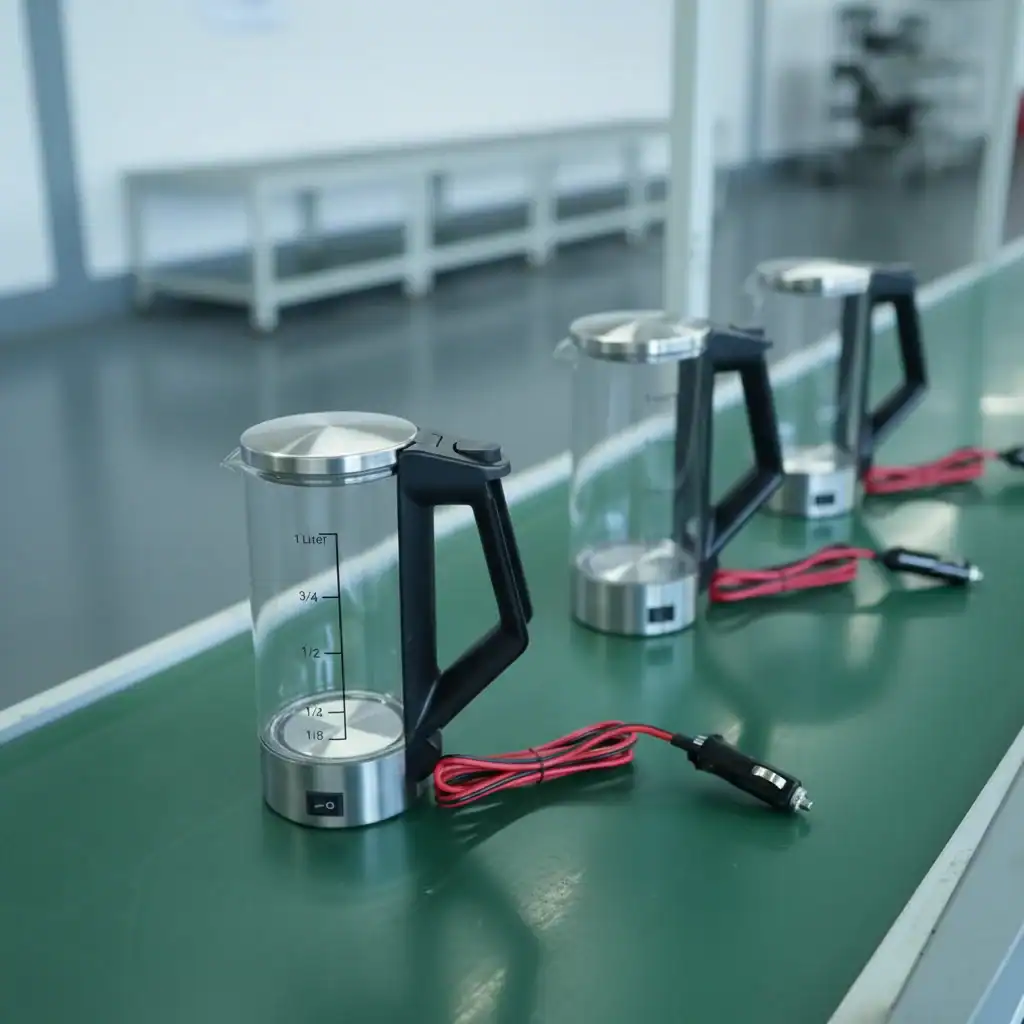
KelyLands integrates these thermal physics into its 12V/24V car kettles, engineering a precise vacuum gap that protects drivers from accidental contact burns within confined vehicle cabins.
Thermal Barrier Performance and Safety Standards
High thermal resistance ratings dictate whether food-grade equipment complies with modern safety mandates. KelyLands engineers utilize composite vacuum insulation panel (VIP) designs to radically upgrade the thermal resistance (R-value) of our portable heating devices. These structural thermal barriers lock internal heat inside the boiler, preventing the exterior shell from absorbing energy and minimizing skin contact injuries. Implementing this VIP architecture guarantees our heavy-duty automotive appliances consistently meet strict global safety benchmarks during daily fleet operations.
| Performance Metric | Standard Single-Wall Boiler | KelyLands VIP Architecture |
|---|---|---|
| Thermal Transfer Mitigation | Fails to block conduction | Complete vacuum air-gap barrier |
| Exterior Surface Temperature | Exceeds 80°C (Burn Hazard) | Maintains safe cool-touch (<40°C) |
| Safety Standard Classification | Basic consumer grade | Heavy-duty fleet certified |
Durability Upgrades with Self-Healing Films
Maintaining a vacuum seal across the lifespan of industrial portable heating systems requires uncompromising puncture resilience. Heavy-duty commercial environments subject automotive kettles to constant physical impacts, threatening the integrity of standard thermal barriers. Product developers now deploy self-healing barrier films that actively protect the vacuum layer against structural damage. Securing this intact vacuum cavity ensures long-haul transport fleets and RV outfitters receive consistent, fail-proof anti-scald protection year after year.
What Is the Heat Deflection Temperature of the Outer ABS Shell?
The structural integrity of a portable boiler relies on maintaining external surface temperatures strictly below the 86.6°C Heat Deflection Temperature threshold of standard ABS plastic to prevent catastrophic thermal deformation.
Standard Heat Deflection and Softening Points
The base Heat Deflection Temperature (HDT) for ABS plastic defines its capacity to withstand elevated temperatures before deforming under physical loads. Depending on the specific chemical formulation and applied testing load, standard ABS exhibits an HDT between 80°C and 100°C.
Under standardized load testing, this working range narrows to exactly 86.6°C to 97°C. Product engineers must also monitor the Vicat Softening Temperature—the precise point where the polymer matrix begins losing rigidity. For typical ABS blends used in portable appliance housings, this softening phase initiates between 93.8°C and 95°C.
| Thermal Metric | Temperature Range | Physical Impact on ABS Shell |
|---|---|---|
| Heat Deflection Temperature (HDT) | 86.6°C – 97.0°C | Deformation under applied physical loads |
| Vicat Softening Temperature | 93.8°C – 95.0°C | Gradual loss of structural rigidity |
| Glass Transition Threshold | 100°C – 105°C | Complete transition to a soft, rubbery state |
Thermal Limits and Glass Transition Characteristics
Exceeding the upper thermal limits drastically alters the physical state and structural integrity of the ABS exterior. As internal boiler temperatures peak, the outer casing inches closer to a critical failure point. The ABS polymer reaches its glass transition temperature at approximately 100°C to 105°C.
Past this 105°C threshold, the material shifts from a rigid, durable plastic into a softer, rubbery state. Continuous heat exposure near this upper limit makes the outer shell highly susceptible to permanent warping and physical deformation, instantly ruining the product’s aesthetic and compromising essential safety seals.
Engineering Implications for Anti-Scald Boiler Design
Manufacturers must account for ABS thermal limitations when engineering portable boiling appliances and automotive accessories. Since 12V/24V car kettles actively heat water to 100°C or higher, product engineers must manage the outer shell temperatures to keep them safely below the HDT limits.
Adding vacuum insulation or physical thermal barriers prevents the external ABS housing from absorbing direct heat from the internal boiling chamber. Strict thermal management protects the product exterior, ensuring long-term durability and preventing structural failures in KelyLands in-car appliances.
High-Margin OEM Car Kettles Built for Safety
Does the Cool-Touch Feature Reduce Product Liability for Brands?
Integrating a cool-touch exterior as standard equipment establishes a formidable defense under product liability law by shifting the burden of risk to user misuse rather than inherent design defect.
Standardizing Cool-Touch Designs for Risk Mitigation
Making thermal protection a default feature alters the liability profile for manufacturers significantly. Integrating a cool-touch exterior as standard equipment builds a highly defensible position under product liability law. Courts in a majority of states recognize that when a manufacturer hardwires safety mechanisms into the core product architecture, the legal burden shifts away from the brand if a user intentionally bypasses those systems. Building these protections directly into 12V/24V car appliances actively shields brands from claims related to accidental contact in confined spaces like vehicle cabins.
| Safety Implementation Type | Legal Liability Exposure | Court Defense Posture |
|---|---|---|
| Standard Built-In (Cool-Touch) | Minimal (Burden shifts to user) | Strong (Demonstrates risk-utility compliance) |
| Optional Add-On | Moderate (Varies by strict liability state laws) | Conditional (Shielded in specific jurisdictions like NY) |
| No Thermal Protection | Severe (Unreasonably dangerous baseline) | Weak (Fails standard risk-utility assessments) |
Navigating Optional vs. Standard Safety Implementations
Legal jurisdictions process optional and standard safety features differently when assessing corporate liability. Offering a cool-touch exterior as an optional upgrade shields manufacturers from strict liability in select areas, such as New York, provided the purchaser actively declines the upgrade at the point of sale. Other jurisdictions enforce strict liability models, penalizing brands heavily if the baseline product remains dangerous without the optional thermal protection. Procurement teams must evaluate state-by-state legal precedents before deciding to make insulated exteriors mandatory or optional across their product lines.
Passing Risk-Utility Assessments in Product Design
The legal system heavily relies on risk-utility analysis to determine if a safer alternative design proved economically and technically feasible during manufacturing. To pass judicial scrutiny, brands must demonstrate specific engineering outcomes:
- The integration of an ABS outer shell or vacuum insulation meaningfully reduces severe burn risks during standard operation.
- The safety upgrade maintains the core utility and heating performance of the original boiler system.
- The manufacturing cost of the thermal protection does not make the final retail product cost-prohibitive.
Adding a superficial thermal barrier offers zero legal protection if the product still presents an unreasonable burn hazard during standard operation. The engineered safety feature must perform reliably against the core hazard to satisfy both regulators and courts.
Implementing KelyLands Safety Engineering for B2B Markets
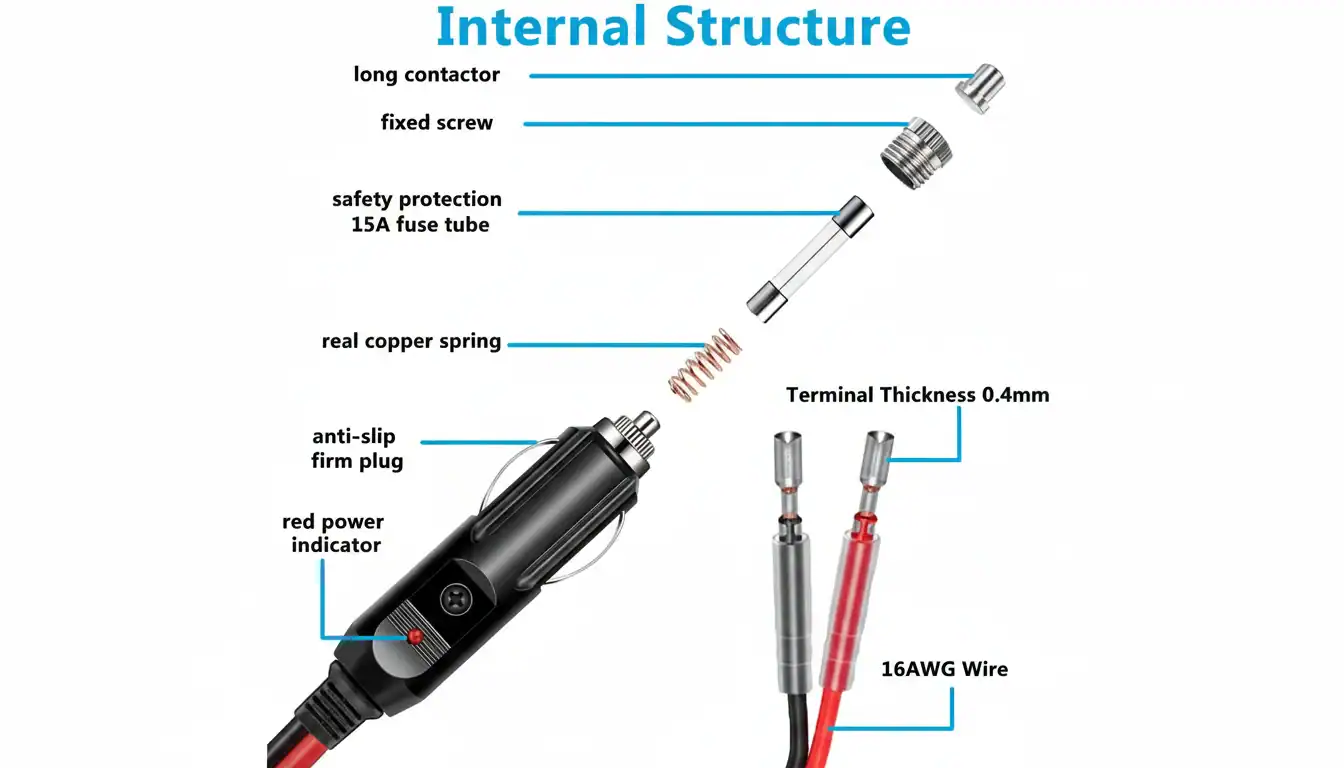
Advanced manufacturing processes weave compliance and liability protection directly into bulk OEM runs. KelyLands integrates absolute safety protocols into all OEM/ODM car kettle designs, utilizing physical dry-boil prevention and high-temperature Bakelite plugs that refuse to melt under continuous 150W or 250W loads. Procurement managers sourcing for logistics fleets reduce their own corporate liability by partnering with a manufacturer that mandates a 100% functional testing rate.
By engineering robust, insulated 12V/24V kettles with verified CE, RoHS, and LFGB certifications, KelyLands supplies consistent, legally defensible product lines engineered for safe global distribution.
Can We Apply Custom Matte or Soft-Touch Finishes to the Exterior?
Precision surface treatments transform standard ABS exteriors into brand-aligned, tactile touchpoints while maintaining strict thermal integrity and regulatory compliance.
Pantone Color Matching and Brand Customization
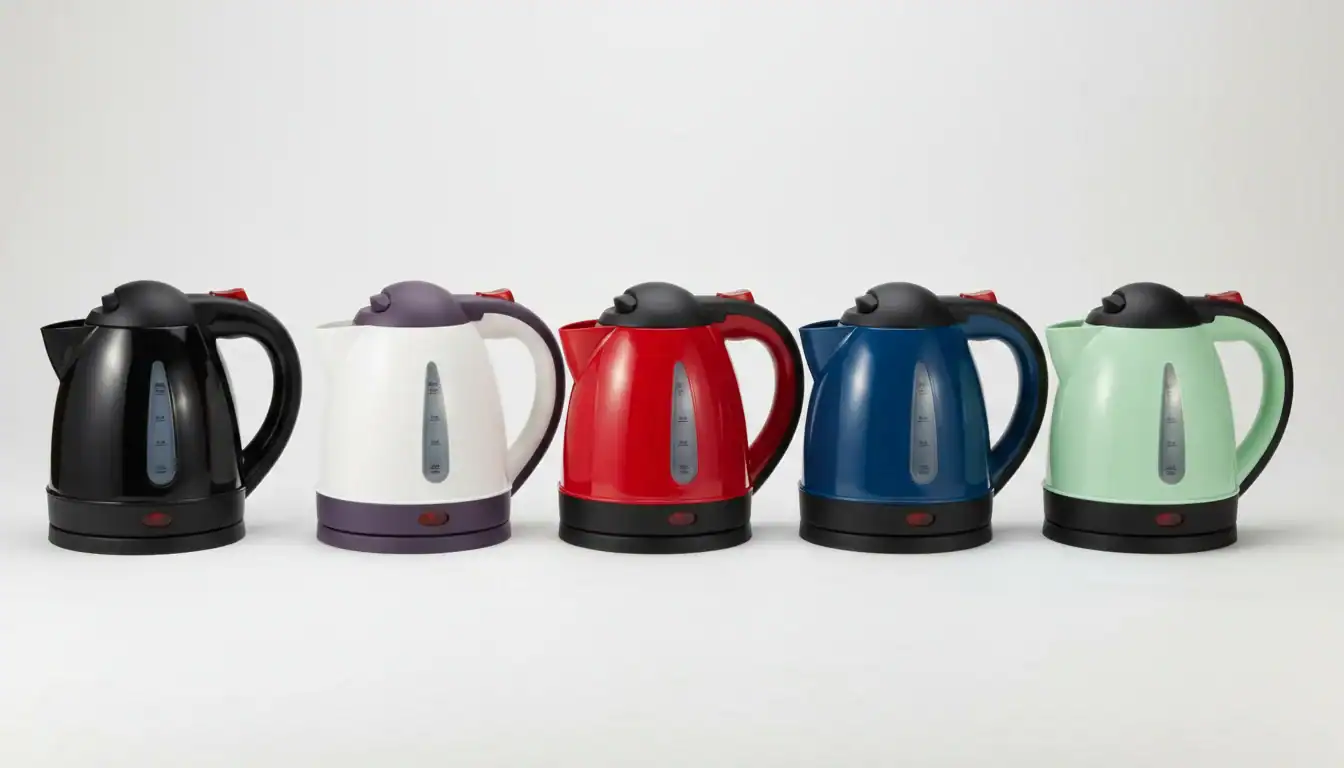
KelyLands provides full exterior color customization to align with specific B2B client requirements. Procurement managers and outdoor lifestyle brands select exact Pantone colors for the exterior shell of our 12V and 24V car kettles. This ensures the final product perfectly matches existing corporate identities and fleet color schemes.
We apply custom logos alongside these custom color finishes using precise, durable methods. Brand customization options include:
- UV printing for vibrant, multi-color logo reproduction.
- Laser engraving for permanent, premium branding on specific material layers.
- Silk-screening for bold, high-contrast visual identity applications.
Matte and Soft-Touch Coating Techniques
We utilize specialized surface treatments to achieve tactile, high-quality finishes on automotive appliances. Our engineering team applies high-temperature-resistant matte paints or soft-touch rubberized coatings directly to the outer ABS shell. These finishes improve user grip and deliver a refined aesthetic without compromising the thermal insulation of the double-wall design.
The manufacturing facility calibrates the application process to guarantee long-term durability. We ensure an even coating layer that actively resists peeling, scratching, or fading under harsh daily travel conditions in heavy-duty commercial trucks and recreational vehicles.
Heat Resistance and Regulatory Compliance
All exterior surface treatments meet strict thermal limits and international safety certifications. Engineers test both matte and soft-touch coatings extensively to ensure they withstand the sustained heat generated during the typical 30-minute boiling cycle. The external shell temperatures remain managed below the ABS Heat Deflection Temperature (HDT) of 80–100°C, preventing any warping or degradation of the applied finish.
We verify that all applied exterior finishes comply with global material safety standards, including RoHS, CE, and PRO65. Our Triple-layer inspection process (IQC, PQC, FQC) confirms the exterior coating remains structurally sound, non-toxic, and fully safe for continuous use inside enclosed vehicle cabins.
Conclusion
Integrating double-wall insulation and a high heat deflection ABS shell directly mitigates burn risks and lowers product liability for brands. These engineering choices keep the exterior cool to the touch while maintaining optimal boiling efficiency inside the kettle. Offering customized matte or soft-touch finishes also allows designers to align the final product with premium interior aesthetics without compromising safety.
Evaluate your current product lineup to ensure your portable boilers meet strict thermal safety standards. Contact our team to request a sample or review our complete OEM catalog for custom exterior finishes.
Frequently Asked Questions
Does the outside of the kettle get hot to the touch?
No, the outside of the kettle remains safe and cool to the touch. The double-wall vacuum insulation acts as a highly effective thermal barrier that eliminates conduction and convection pathways, preventing the outer housing from reaching dangerous temperatures even when the liquid inside is scalding-hot.
What materials are used for the outer cool-touch shell?
The outer cool-touch shell is typically manufactured using high-grade, heat-resistant engineering polymers such as BPA-free Polypropylene (PP) or Acrylonitrile Butadiene Styrene (ABS). In advanced and industrial food-grade models, these shells incorporate composite vacuum insulation panels (VIP) and are enhanced with puncture-resilient, self-healing barrier films to ensure maximum long-term reliability and thermal safety.
Can we apply a matte or soft-touch finish to the plastic?
Yes, a matte or soft-touch finish can be successfully applied to the plastic exterior. Industry standards typically utilize advanced polyurethane (PU) soft-touch paints or matte UV-cured coatings. These specialized finishes elevate the aesthetic appeal and grip ergonomics while being engineered to perfectly withstand the thermal expansion and contraction cycles of the appliance without peeling, degrading, or compromising the insulation integrity.
How does double-wall construction affect boiling time?
Double-wall construction significantly improves overall thermal efficiency, which positively impacts boiling performance. By utilizing a vacuum layer to eliminate heat loss to the surrounding environment, thermal energy is strictly directed inward. This results in a faster, more energy-efficient boiling time compared to traditional single-wall kettles, while simultaneously maintaining the internal liquid at optimal temperatures for substantially longer periods.

 English
  Español
  Français
  Deutsch
  Português do Brasil
  Русский
  한국어
한국어  日本語
日本語  العربية