 跳转到主要内容 跳转到页脚

Maintaining a fleet of legacy equipment often creates a compatibility gap where older hardware no longer aligns with modern software or attachment standards. Procurement officers and safety professionals frequently search for ways to extend instrument life without committing to the high capital expenditure of a full system replacement.
We break down the technical requirements for integrating replacement wands and adapters into existing workflows. This overview covers the mechanics of bridging hardware generations, from utilizing universal adapters that support 27mm to 50mm diameters to maintaining visual consistency through ISO 3668:2009 color-matching standards.
Backward Compatibility: Fitting Old Models
Legacy instruments like the 8030 and 8038 models maintain functional relevance by connecting to FitPro Ultra v4.8 software. This integration uses basic or full licenses to unify databases across mixed-model fleets, though it excludes hardware-specific upgrades like WiFi or specialized ambient sensors found in newer 8040 series units.
| Capability | Basic License (Legacy) | Full License (Legacy) |
|---|---|---|
| Core Navigation & Reporting | Included | Included |
| Real-time Gauges & Animations | Excluded | Included |
| FitCheck™ Mode with Graphs | Excluded | Included |
| WiFi & Ambient Sensor Upgrades | Hardware Dependent | Hardware Dependent |
Unified Database Management via FitPro Ultra v4.8
Safety professionals managing mixed fleets can bridge the gap between older hardware and modern data standards by utilizing FitPro Ultra v4.8. This software version supports legacy PortaCount models 8030 and 8038, allowing them to function alongside the newer 8040 and 8048 instruments. By consolidating these models into a single platform, organizations eliminate the need to maintain separate databases for different equipment generations. This unified approach ensures data integrity and simplifies the reporting process, as all fit test records reside in one accessible location.
The transition to a single-platform workflow reduces the administrative burden of manual data exports or imports. Administrators can manage training records, respirator lists, and fit test history for the entire fleet through the same interface. This compatibility protects the investment in older hardware while providing the streamlined experience of modern software navigation and database structures.
Activation Requirements and Hardware-Specific Limitations
Backward compatibility requires a specific software license activation ID from TSI Incorporated. Users must install the software on a computer with an active internet connection to complete the activation process. Each license tethers to a single PC but supports an unlimited number of instrument connections. Two distinct license tiers exist: the Basic version, which covers core navigation and reporting, and the Full version, which adds advanced tools such as real-time fit factor gauges and instructional animations for the legacy units.
While software updates enhance the digital experience, they do not change the physical specifications of the hardware. Legacy 8030 and 8038 models lack the internal WiFi modules and the specialized ambient particle sensors found in the 8040 series. Consequently, features like wireless connectivity or lower ambient threshold testing remain unavailable on older units even when running the latest software. This distinction is vital for accessory planning, as these units still require physical tethering and specific wand configurations compatible with their original hardware design.
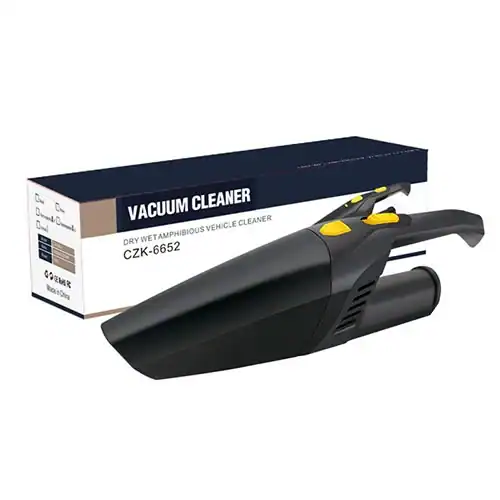
The “Upgrade Kit”: Wand + Adapter
Upgrade kits facilitate seamless transitions between legacy vacuum wands and modern tool heads by using specialized adapters like the Gekko NM5641 or NSS 164-9554. These kits allow professionals to maintain airtight seals across varying diameters—ranging from 27mm to 50mm—ensuring equipment remains operational without requiring a full system replacement.
| Adapter Model | Primary Compatibility | Technical Specification |
|---|---|---|
| NSS 164-9554 | NSS M1 Series Machines | OEM MPN 1094951 |
| Gekko NM5641 | SX-7, 4″ & 14″ Tools | Legacy Wand Bridge |
| Makita 191M78-3 | 1-1/4″ to 1-3/8″ Accessories | Step-up Transition |
| ProTeam 103122 | Standard ProTeam Wands | 1.5″ Friction Fit |
| Universal 5-Layer | Multi-brand Attachments | 27mm to 50mm Range |
Retrofitting Legacy Equipment for Modern Attachments
Professionals use compatibility kits like the Gekko NM5641 to bridge hardware generations. This kit connects previous wand versions to contemporary 4-inch and 14-inch cleaning tools, including the SX-7 series. For NSS Enterprises equipment, the 164-9554 adapter (MPN 1094951) maintains the utility of M1 series machines by adapting them to updated wand configurations. These solutions prevent high capital expenditure by extending the life of existing vacuum systems through targeted component updates rather than full replacement.
Friction-fit designs facilitate rapid tool swaps in industrial environments. The ProTeam 103122 1.5-inch adapter allows technicians to change attachments without using mechanical fasteners, reducing downtime during multi-surface cleaning tasks. These kits maintain the necessary airtight seal required for high-suction applications while providing the flexibility to use specialized tools across different machine brands.
Technical Specifications for Diameter and Material Transitions
Modern adapter designs support precise transitions between various metric and imperial sizes. Universal 5-layer adapters enable connections between 27mm, 32mm, 35mm, 40mm, and 50mm accessories, accommodating almost any professional vacuum standard. The Makita 191M78-3 serves a specific engineering role by stepping up 1-1/4 inch (31.75mm) wands to 1-3/8 inch (34.93mm) high-airflow accessories. This transition maximizes airflow efficiency for debris recovery in construction environments.
Advanced upgrade kits from Wanders Products focus on material durability and mechanical performance. These kits often incorporate titanium wand components to reduce operator fatigue through weight reduction while increasing resistance to chemical corrosion. High Shear Kit (HSK) hardware and replacement spraybars, ranging from $35 to $110, improve fluid delivery and mechanical reliability in professional carpet cleaning wands. By upgrading internal components like spraybars, professionals achieve better moisture control and chemical application without purchasing entirely new wand assemblies.
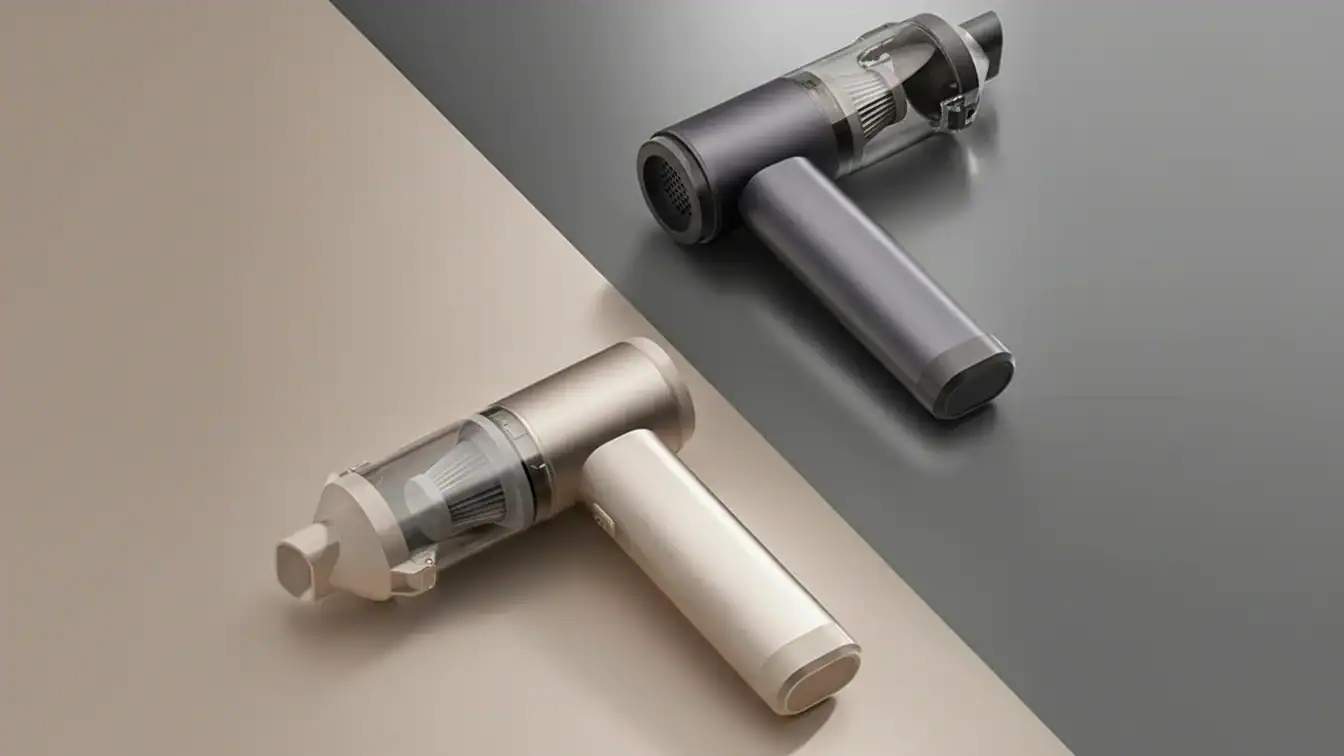
Pin Configuration: Matching 2-Pin vs. 3-Pin Connectors
Matching the pin configuration is critical for electrical safety and device longevity. In 2026, 2-pin connectors remain standard for ungrounded low-power devices, while 3-pin configurations provide a dedicated earth path to prevent electric shocks in high-draw or metal-cased appliances by safely diverting fault currents.
Electrical Grounding and Fault Protection Circuits
The primary difference lies in the earth or ground pin. This pin is typically longer and thicker to ensure it connects before the live and neutral pins. 3-pin configurations protect users by providing a low-resistance path for leakage current. This setup is essential for appliances with conductive housings. 2-pin connectors lack a grounding path and serve double-insulated (Class II) devices where insulation separates internal components from the outer shell.
Voltage Ratings and Amperage Compatibility
Standard 2-pin connectors handle 110–240V and typically limit current draws between 6A and 10A for small electronics. 3-pin wands support high-amperage equipment like car fridges or industrial vacuums. These connectors offer higher durability under sustained electrical loads. Engineers maintain compatibility by allowing 2-pin plugs to fit into 3-pin sockets when the device does not require grounding for safe operation.
Scale Your Brand with Premium OEM/ODM Vacuum Solutions

Color Matching: Stocking Standard Colors
Color matching relies on ISO 3668:2009 standards and D65 illuminants to ensure visual consistency across production batches. By utilizing CIE L*a*b* coordinates and 3-step MacAdam ellipses, we quantify color deviations to maintain a Delta E (ΔE) tolerance that prevents visible mismatches between old hardware and new replacement components.
Standardized Visual Assessment and Lighting Conditions
Manufacturing workflows adhere to ISO 3668:2009 protocols for visual color assessment to maintain uniformity across diverse material lots. Viewing booths utilize D65 daylight illuminants to simulate natural lighting, which allows teams to detect metamerism before parts reach the assembly line. Maintaining a 0°/45° geometry during visual inspections eliminates surface glare and ensures consistent observations across 2D samples. For precise procurement, engineers cross-reference housing materials like ABS and TPU with Pantone PMS codes to align production with global color specifications.
Instrumental Metrics and Tolerance Control
Quality control teams calculate color differences using the ΔE formula within the CIE L*a*b* color space to identify subtle deviations that the human eye might miss. Spectrophotometers with a 300-700 nm spectral range verify pigment distribution across production batches to confirm spectral accuracy. We apply a 3-step SDCM (Standard Deviation Color Matching) threshold using MacAdam ellipses to establish strict acceptance limits for high-visibility components. Additionally, Specular Component Excluded (SCE) settings evaluate the true color appearance of matte or textured surfaces by filtering out reflected light during the measurement process.

Packaging: Long Box vs. Folded Box Shipping
Long boxes provide the essential rigid structure to protect elongated components from leverage-induced crushing, typically utilizing 32ECT C Flute material. Folded boxes, such as literature mailers, offer superior storage efficiency for compact parts by leveraging thinner B Flute profiles that maintain high crush resistance without unnecessary bulk.
Structural Integrity and Format Selection
Regular Slotted Containers (RSC) serve as the standard for long formats. These designs minimize material waste while protecting elongated components like replacement wands. Full Overlap Slotted (FOL) boxes feature flaps that overlap by one inch or more to increase resistance against rough handling during export cycles. Full Telescope Designs (FTD) use two-piece trays to maximize stacking strength for high-volume B2B shipments. Long boxes prevent leverage-induced crush failure by distributing weight along the reinforced corrugated fluting.
ECT Ratings and Flute Profile Performance
We utilize 32ECT C Flute at 11/64″ thickness for standard long boxes to balance shock absorption with material cost. Folded literature mailers employ B Flute at 1/8″ thickness, offering 42-50 flutes per foot for enhanced crush resistance in flat-pack formats. Heavy accessories weighing up to 50 lbs require 44ECT ratings to maintain stability throughout the logistics chain. Carrier guidelines for 2026 require a 55ECT rating for packages reaching a 95-inch girth limit to ensure stackability. The burst test minima of 200-275 lbs per square inch dictates the selection between single-wall and double-wall corrugated fiberboard.
Final Thoughts
Selling flex-wands and adapters as separate components gives organizations a practical way to extend the life of their current inventory. This approach allows legacy hardware to work with modern software and attachments, creating a bridge between older tools and new technology. By focusing on these aftermarket solutions, teams maintain consistent data across their entire fleet without the high costs of replacing every unit at once.
Managing these upgrades effectively requires a focus on technical details like electrical pin layouts, color matching, and protective packaging. These factors ensure that new parts fit and function safely while maintaining the professional appearance of the equipment. Investing in the right adapters and licenses simplifies daily operations and keeps essential tools in service for years to come.
Frequently Asked Questions
Are these replacement wands compatible with major brands like Dyson?
No, these wands are not pin-compatible with Dyson V-series models. Dyson uses a proprietary 34.5mm (1.375 inch) connector and a unique red-button locking system. KelyLands replacement wands follow specific OEM dimensions that do not match Dyson’s friction-fit or electrical alignment pin configurations.
Can aluminum tubes be customized with specific brand colors?
Yes, we offer custom color matching for aluminum tubes using anodizing processes. Clients can provide Pantone references to ensure the wands match their existing product lines. This customization typically requires a minimum order of 500 units.
Is it possible to ship wands in folded packaging to reduce freight costs?
Rigid aluminum wands usually require long box packaging to maintain their structural integrity during transit. While most standard models do not ship in a folded position, we can evaluate specific collapsible or hinged wand designs if your project requires compact shipping dimensions to save on logistics.

 English
  Español
  Français
  Deutsch
  Português do Brasil
  Русский
  한국어
한국어  日本語
日本語  العربية