 跳转到主要内容 跳转到页脚

Navigating the maze of global regulations demands mastery over CE, UL, RoHS, and Energy Labels—the gatekeepers of vacuum cleaner market access. This article demystifies essential certifications for vacuum cleaners, focusing on CE, UL, RoHS, and Energy Labels, while highlighting key compliance insights for global export success. CE marking is mandatory for vacuum cleaners sold in the European Union and acts as a passport for free distribution within the EU.
Understanding Global Certification Frameworks for Vacuum Cleaners
Compliance across diverse regulatory landscapes is enabled by mastering CE, UL, RoHS, and Energy Label requirements tailored to target markets.
CE Certification: The European Compliance Passport
CE marking is mandatory for vacuum cleaners sold in the European Union. It verifies compliance with EU health, safety, and environmental protection standards. This certification acts as a passport for free distribution throughout the European Economic Area.
The CE mark demonstrates conformity with several key directives. These include the Low Voltage Directive (LVD) and the Electromagnetic Compatibility Directive (EMC). It also encompasses compliance with the RoHS directive for hazardous substance restrictions.
UL Certification: The North American Electrical Safety Standard
UL certification is critical for vacuum cleaner market entry in the United States and Canada. The specific UL 1017 standard covers vacuum cleaners, blower cleaners, and household floor finishing machines. This certification helps prevent costly import restrictions or customs rejection.
UL ensures product safety through rigorous testing protocols and factory inspections. Their programs include Listing, Recognition, and Classification marks depending on the product and component evaluation. This thorough process provides assurance for both retailers and consumers.

RoHS Compliance: Restricting Hazardous Substances
RoHS compliance limits the use of hazardous substances in electrical and electronic equipment. For vacuum cleaners, this restricts up to 10 substances including lead, mercury, and cadmium. It also covers certain phthalates used in plastic components.
This protection extends throughout the product lifecycle from manufacturing to disposal. Compliance requires thorough material assessment and laboratory testing. Manufacturers must maintain supplier declarations and comprehensive technical documentation.
Energy Labels: Informing Consumers and Driving Efficiency
Energy Labels are mandatory for vacuum cleaners sold in the EU market. They provide consumers with standardized information about energy consumption and efficiency ratings. This transparency supports environmental sustainability goals by encouraging energy-efficient choices.
The labeling rules include specific test methods and classification scales recognized across EU member states. Manufacturers must adhere to these testing protocols to ensure accurate labeling. This compliance demonstrates commitment to both regulatory requirements and environmental responsibility.
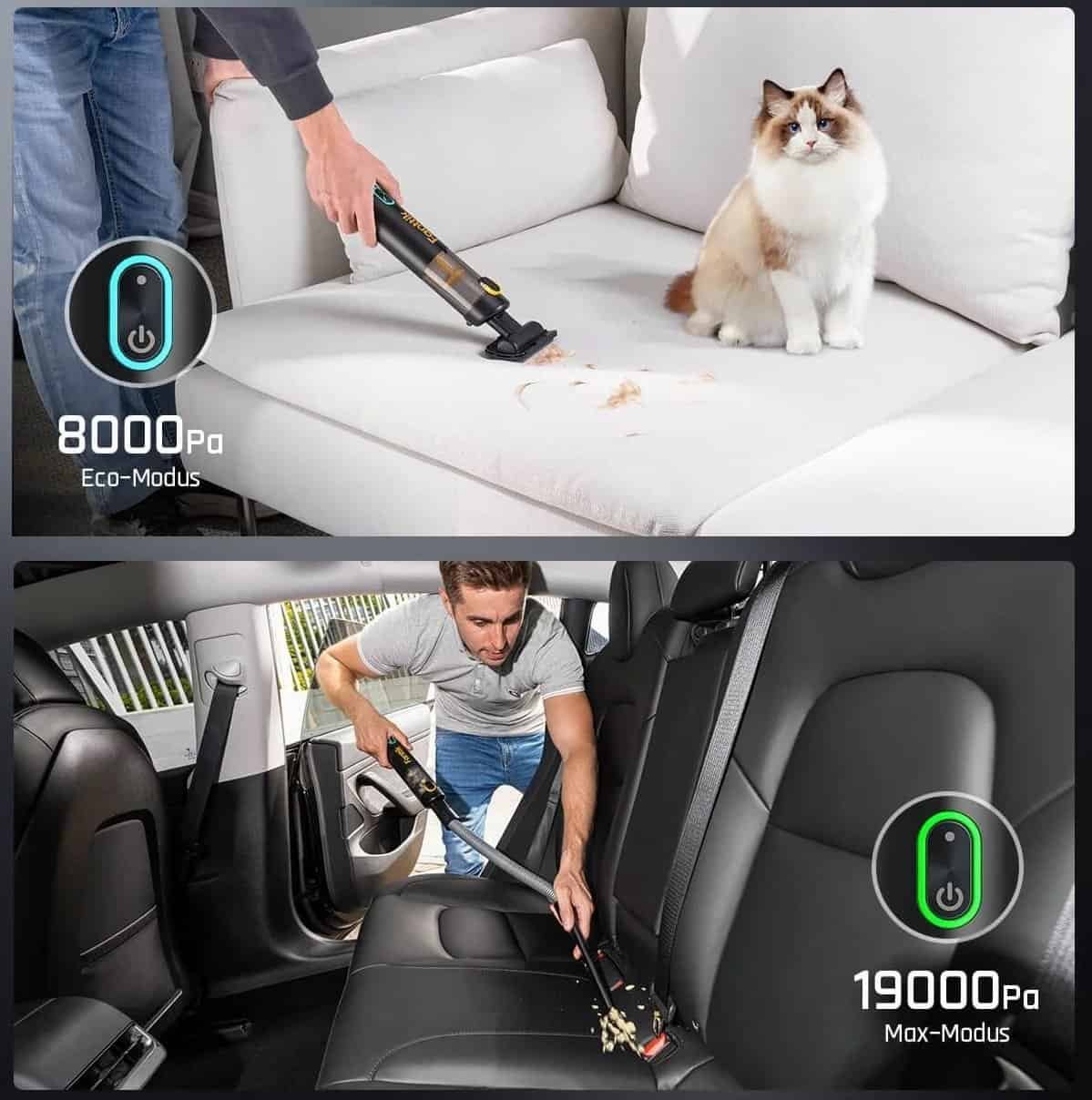
Powerful Portable Vacuums for Every Car Detail
Keep your car spotless with KelyLands vacuum cleaners. Featuring strong suction, versatile attachments, quiet operation, and cordless convenience, they handle dust, pet hair, spills, and tight spaces with ease. Customize your order with OEM options and count on certified quality for global markets.

Key Industry Insights and Certification Trends
Aligning product designs with evolving certification standards enhances competitiveness and market access amid growing global compliance pressures.
Integrating Certification and Quality Assurance
Leading manufacturers invest in additional quality audits to bolster certification credibility. These include ISO 9001, BSCI, SGS, and TÜV Rheinland assessments. This multi-layered approach strengthens overall quality management systems.
Implementation of triple inspection and 100% functional testing significantly reduces defects. This proactive quality assurance minimizes post-sale costs and warranty claims. Comprehensive documentation including test reports and certificates underpins smooth certification processes.
Customizable Certification Paths for Diverse Markets
Vacuum cleaner models often require custom certification approaches for different markets. Emerging certifications like UKCA reflect post-Brexit regulatory realignment in Europe. This adaptability is crucial for accessing diverse global markets.
Manufacturers must develop flexible certification strategies for North America, Europe, and Asia-Pacific regions. Each market presents unique regulatory requirements and testing protocols. Strategic planning ensures efficient market access without unnecessary duplication of efforts.
Sustainable Innovation and Regulatory Compliance Co-evolution
Progressive suppliers are developing halogen-free materials and non-phthalate plasticizers. These innovations address stricter RoHS requirements and upcoming REACH demands. This forward-thinking approach future-proofs products against regulatory changes.
Life-cycle thinking increasingly influences vacuum cleaner design choices. Manufacturers consider end-of-life recycling burdens during the design phase. Regulatory review cycles prompt proactive investment in green product innovation and certification alignment.
Strategic Compliance Recommendations for Exporters
Tailored certification strategies incorporating CE, UL, RoHS and Energy Labels streamline vacuum cleaner exports and optimize global market penetration.
Documentation and Process Optimization
Maintain complete technical files including all test reports and material declarations. These documents must include conformity statements and supplier declarations. Organized documentation is essential for regulatory audits and customs clearance.
Engage accredited laboratories for testing aligned with target market regulations. This prevents costly delays at customs checkpoints and border crossings. Regular certificate updates ensure ongoing compliance with changing legislation like REACH updates.
Leveraging Certification as a Market Differentiator
Prominently display UL and CE marks in marketing materials and product packaging. These certifications enhance consumer trust and retailer acceptance in competitive markets. They serve as visible proof of safety and quality commitment.
Educate retail channels about environmental benefits achieved through RoHS compliance. Highlight energy efficiencies disclosed via mandatory Energy Labels. Use certification agility to launch region-specific models addressing local compliance needs.
Supply Chain Transparency and Traceability
Establish robust supplier qualification programs requiring proof of certification capability. This ensures components and materials meet necessary regulatory standards. Supply chain transparency is critical for comprehensive compliance.
Implement clear product labeling reflecting certification status throughout the supply chain. This assists downstream traceability during regulatory audits and quality investigations. Digital management systems efficiently track document renewals and compliance milestones.
Frequently Asked Questions
What certifications are mandatory for exporting vacuum cleaners to Europe?
CE marking, RoHS compliance, and Energy Labels are all mandatory for vacuum cleaners entering the European market. CE certification demonstrates compliance with EU safety standards, while RoHS restricts hazardous substances. Energy Labels provide consumers with standardized efficiency information.
How does UL certification impact market access for vacuum cleaners in North America?
UL certification, specifically the UL 1017 standard, is essential for market access in the United States and Canada. It ensures electrical safety through rigorous testing and prevents customs rejection. Retailers and consumers recognize UL marks as indicators of product safety and quality.
What are the primary substances restricted under RoHS for vacuum cleaner manufacturing?
RoHS restricts lead, mercury, cadmium, hexavalent chromium, polybrominated biphenyls (PBB), and polybrominated diphenyl ethers (PBDE). It also limits four phthalates: DEHP, BBP, DBP, and DIBP. These restrictions reduce environmental and health risks during manufacturing and disposal.
How can manufacturers ensure continuous compliance amid evolving certification requirements?
Manufacturers should maintain updated technical files and track legislation changes through regulatory monitoring services. Partnering with accredited test laboratories ensures ongoing compliance with current standards. Regular supplier audits and material verification processes help maintain consistent compliance.
Are there sustainable alternatives to traditional flame retardants and plasticizers in vacuum cleaners?
Yes, halogen-free flame retardants and non-phthalate plasticizers are increasingly available as sustainable alternatives. These materials reduce environmental risks while maintaining product performance and safety. Many manufacturers are adopting these alternatives to meet stricter regulatory requirements and consumer demands.

 English
  Español
  Français
  Deutsch
  Português do Brasil
  Русский
  한국어
한국어  日本語
日本語  العربية