 跳转到主要内容 跳转到页脚
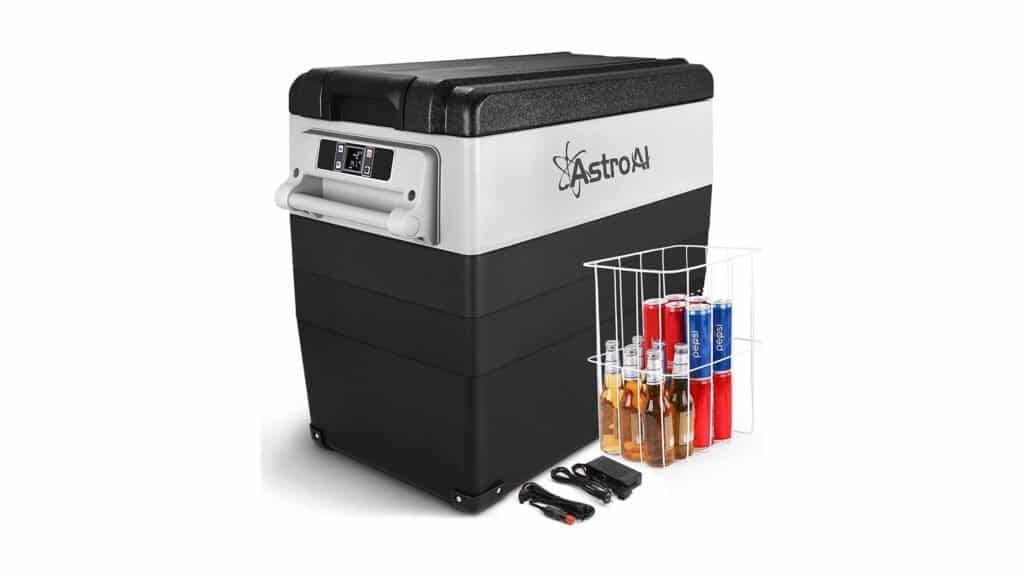
The operator on the line watches the compressor kick on, listens for the click of the thermostat, and knows within thirty seconds if the unit will hold temp. That’s a read on real 12V fridge wattage that no datasheet captures. I’ve seen a distributor lose a $50K retail contract because the pre-production sample cooled perfectly in a 22°C showroom, but the mass production units cycled four times as often when parked in Arizona sun. The spec sheet said 45W running. It was accurate — at steady state in a lab. But nobody ships fridges to a lab.
That gap between rated power and actual draw is where returns happen. A buyer who skips this step ends up with end users complaining their battery bank drains by noon, then blames the supplier for selling an undersized cooler. The fix isn’t harder testing — it’s asking for the right data before you commit to MOQ. Start with duty cycle at ambient temp, not just wattage at idle.
Why Power Consumption Specs Matter for Distributors
Misreading startup surge causes more battery-protector trips than any other spec mismatch.
A distributor in Brisbane lost a $50K container order last year because the pre-production sample ran fine on a bench test, but the mass-production units tripped every battery protector in the first 30 seconds of use. The problem wasn’t the running wattage. It was the startup surge — a 4x current spike that lasted maybe 200 milliseconds, long enough to trigger low-voltage disconnect on any system sized for steady-state draw only.
How Misleading Specs Cause Returns
Most product pages list one number: the compressor’s steady-state running watts. That number is real, but it’s only half the story. A 45W compressor fridge typically pulls 3.75A at 12V while running. But when that compressor kicks on, it draws roughly 15-18A for a fraction of a second to overcome static friction and get the piston moving. If your customer’s battery monitor sees an instantaneous 18A load on a system wired for a 5A continuous draw, it cuts power.
The return reason logged is always the same: “fridge doesn’t work with my battery.” The fridge works fine. The spec sheet just didn’t tell them about the surge. Distributors who don’t flag this upfront eat return shipping and lose margin on the replacement unit.
The Difference Between Running Watts vs Startup Surge
Running watts is what the fridge consumes after the compressor is already spinning — typically 30-70W depending on size and ambient temp. Startup surge can hit 180-280W for those same units, but only for under half a second.
Typical Wattage Ranges by Fridge Size (20L to 80L)
Running wattage tells you the compressor load.
A 20- to 35-liter mini fridge is the most common first purchase for solo overlanders and small camping crews. The compressor in this size range typically draws 30 to 40 watts during steady-state operation. That number comes from the factory spec sheet, but it assumes a controlled environment — usually a lab at 25°C with the fridge pre-cooled and left closed.
Small Mini Fridges (20-35L): 30-40W running
At 12V, a 35W running load translates to roughly 2.9 amps continuous. The startup surge, however, jumps to about 12 amps for roughly 100 milliseconds as the compressor motor spins up. If your customer pairs this fridge with a budget battery protector that has a slow-blow threshold, that surge can trigger a false cutoff on hot restarts.
Medium Coolers (40-55L): 45-55W running
The mid-range is where most family-sized coolers land. A 45W unit pulls around 3.75 amps steady at 12V, and the startup spike hits roughly 18 amps. These units also have larger evaporator plates, which means they hold temperature longer after the compressor cycles off — important for duty cycle calculations later.
Large Fridges (60-80L): 55-70W running
Eighty-liter fridges are built for extended trips or commercial use like catering trucks. Running power sits between 55 and 70 watts, drawing about 5 amps continuous at 12V. The startup surge can exceed 28 amps for a split second. At this size, internal insulation quality becomes the dominant variable — not compressor efficiency.
Understanding the Duty Cycle Factor
A 45W compressor fridge can draw less than 100Wh on a cool night or over 700Wh in a hot truck bed.
The rated wattage on a car fridge spec sheet — say, 45W — is the steady-state power draw while the compressor is actively running. But the compressor does not run all day. It cycles on and off to maintain the set temperature. This on-off ratio is called the duty cycle, and it is the single biggest factor separating advertised power from real-world consumption.
Why a 45W Fridge Only Uses ~350Wh Per Day
At a lab temperature of 25°C, a well-insulated 45W compressor fridge typically runs at a duty cycle of 30-40%. That means the compressor runs for about 8-9 hours out of every 24. Multiply 45W by that runtime, and you land at roughly 350-400 watt-hours per day. The other 15-16 hours, the unit draws near-zero power — just enough for the control board and display.
This is where most OEM spec sheets stop. They advertise that ~350Wh figure as if it applies everywhere. It does not.
How Ambient Temperature Changes Duty Cycle (Summer vs Winter)
Ambient temperature is the dominant variable in duty cycle calculations. At an ambient of 35°C — common inside a vehicle cabin or truck bed in summer — the duty cycle climbs toward 60-70%. The same fridge now draws closer to 700Wh per day. In winter conditions around 10°C, the duty cycle may drop below 20%, yielding under 250Wh daily.
Amps Drawn from a 12V System: Actual Current Draw Data
A 45W fridge at 12V draws 3.75A steady-state, but startup surge hits 15A for milliseconds.
The math is simple: Watts divided by voltage equals amps. A fridge rated at 45W running on a 12V system pulls 3.75A continuously. At 24V, that same load drops to 1.88A. But that’s only the steady-state number — the one printed on the spec sheet and the one that causes the most field failures.
Startup Surge: The Hidden Amp Spike
Every compressor fridge has a startup surge that lasts maybe 100 milliseconds but pulls 3-4x the rated current. A unit that runs at 3.75A can spike to over 15A during compressor kick-in. That’s not a problem for a dedicated deep-cycle battery bank, but it matters when pairing with battery protectors set to trip at low current thresholds.
Distributors who skip this detail see warranty claims from customers whose power systems cut out mid-cycle. The fix is simple: specify a battery protector with a delayed trip curve or set the cutoff high enough to absorb the surge without disconnecting.
DC-DC Converter Losses: Add 10-15%
If your customer runs the fridge through a DC-DC converter — common in dual-battery setups or vehicles with alternator charging — factor in conversion losses. A quality DC-DC converter operates at roughly 85-90% efficiency. That means every amp drawn from the primary battery is actually higher than what reaches the fridge.

Energy Consumption Calculation Method Used by Top OEM Factories
Lab kWh figures at 25°C can double in a hot truck bed at 35°C.
The calculation method used by tier-1 OEM factories starts with a simple truth: the rated running wattage printed on the spec sheet is not the number you use for daily energy planning. That 45W figure is the compressor’s steady-state draw, measured under controlled conditions. Real-world energy consumption depends on duty cycle — the percentage of time the compressor actually runs.
Step-by-Step: From Annual kWh to Real Daily Wh
Factories like KelyLands’ Ningbo-based portable fridge partner calculate daily Wh using three inputs: running watts, duty cycle percentage, and hours of operation. The formula is straightforward — daily Wh = running watts × (duty cycle / 100) × 24 hours. A 45W fridge with a 30% duty cycle at 25°C ambient uses roughly 324 Wh per day. But here’s where it gets interesting.
The annual kWh figure you see on many Chinese factory spec sheets is typically measured in a lab at exactly 25°C, with no lid openings and pre-cooled contents. That’s about as representative of real-world use as a test drive on an empty highway. At 35°C — common inside a parked vehicle in summer — the duty cycle jumps from 30% to around 60%, doubling the daily draw to nearly 648 Wh.
Example: KelyLands Car Cooler – Measured vs Advertised Consumption
Take a typical KelyLands car cooler model rated at 50W running power. The factory spec sheet lists an annual energy consumption of around 130 kWh, which works out to roughly 356 Wh per day. That assumes a consistent duty cycle just under 30%. Smart buyers ask for the test protocol before they sign off on sample approval.
Common Mistakes Distributors See in Product Manuals
A 45W fridge that draws 6.5A at startup will trip a 5A battery protector every time.
The most common spec trap in product manuals is the gap between advertised running watts and actual startup surge current. A 12V compressor fridge rated at 45W running can draw 180W to 220W for the first 50 to 200 milliseconds each time the compressor kicks on. That’s a factor of four to five times the steady-state figure. Most manuals bury this number or omit it entirely.
Overstating Efficiency, Understating Start Surge
When a distributor pairs that fridge with a battery protector set to cut at 5A continuous, the startup spike trips the protector and the customer calls it defective. The fridge works fine — but the system design failed because the manual only listed running amps. The same problem shows up when sizing solar charge controllers or DC-DC chargers.
Conclusion
Every distributor who has managed a container of returns knows the real cost isn’t the freight — it’s the lost shelf trust. A spec sheet that claims 45W running but delivers a 3.5A startup surge at 12V creates problems that no marketing brochure can fix. The gap between lab-tested annual kWh and real-world daily draw in a hot truck bed is where margins disappear.
-
- Startup surge can hit 4x rated wattage for milliseconds.
- Real-world daily draw at 35°C can double lab-tested figures.
- Bundling a watt-meter with samples cuts return rates.
Review your current supplier’s test conditions before placing the next order. Ask whether the annual kWh figure was measured at a controlled lab temp of 25°C or under real load conditions. For distributors managing overland camping and RV channels, that single question separates a repeat buyer from a chargeback dispute. Browse KelyLands’ car fridge specifications to compare measured vs advertised consumption data directly.
Frequently Asked Questions
What is the real running wattage of a 12V fridge?
Real running wattage depends on size: small 20-35L fridges run at 30-40W, medium 40-55L at 45-55W, and large 60-80L at 55-70W. These are steady-state numbers; startup surge can be 2-3 times higher. Always verify surge current before pairing with a battery protector.
How many amp hours does a 12V fridge use per day?
A typical 45W fridge draws about 30 amp hours per day from a 12V system, assuming a 50% duty cycle in moderate conditions. In hot weather or with frequent. Test your actual duty cycle in summer conditions before sizing your battery bank.
Why do some fridges draw more power than the spec says?
Spec sheets often list running watts only, ignoring startup surge that can spike to triple the rated draw for compressor kick-on. Also, DC-DC converter losses add another 10-15%. Request third-party lab test data on both running and peak current before ordering MOQ.
Does ambient temperature affect fridge power consumption?
Yes, ambient temperature directly changes the duty cycle: a fridge may run only 20% of the time in cool conditions but over 80% in a hot truck cabin. That means daily energy. Always spec your battery capacity for worst-case summer duty cycles.

 English
  Español
  Français
  Deutsch
  Português do Brasil
  Русский
  한국어
한국어  日本語
日本語  العربية