 跳转到主要内容 跳转到页脚

Sourcing a reliable baby safe travel kettle requires brands to navigate strict FDA regulations and the ever-present risk of microplastic contamination that can trigger costly product recalls. Relying on standard consumer-grade plastics for infant appliances exposes your supply chain to intense regulatory scrutiny and immediate consumer backlash. You need materials that guarantee zero chemical leaching under extreme thermal stress to protect your brand reputation and ensure complete consumer safety.
This guide provides a direct technical framework for engineering infant-grade heating appliances. We detail the medical science behind choosing thermal glass over synthetic polymers and examine the material tolerances required to withstand hospital-grade UV or steam sterilization. You will also find engineering specifications for integrating precise 40-degree temperature control boards for formula preparation, alongside the exact manufacturing steps our factory takes to secure your FDA baby product registration and eliminate hidden plastics from the boiling chamber.
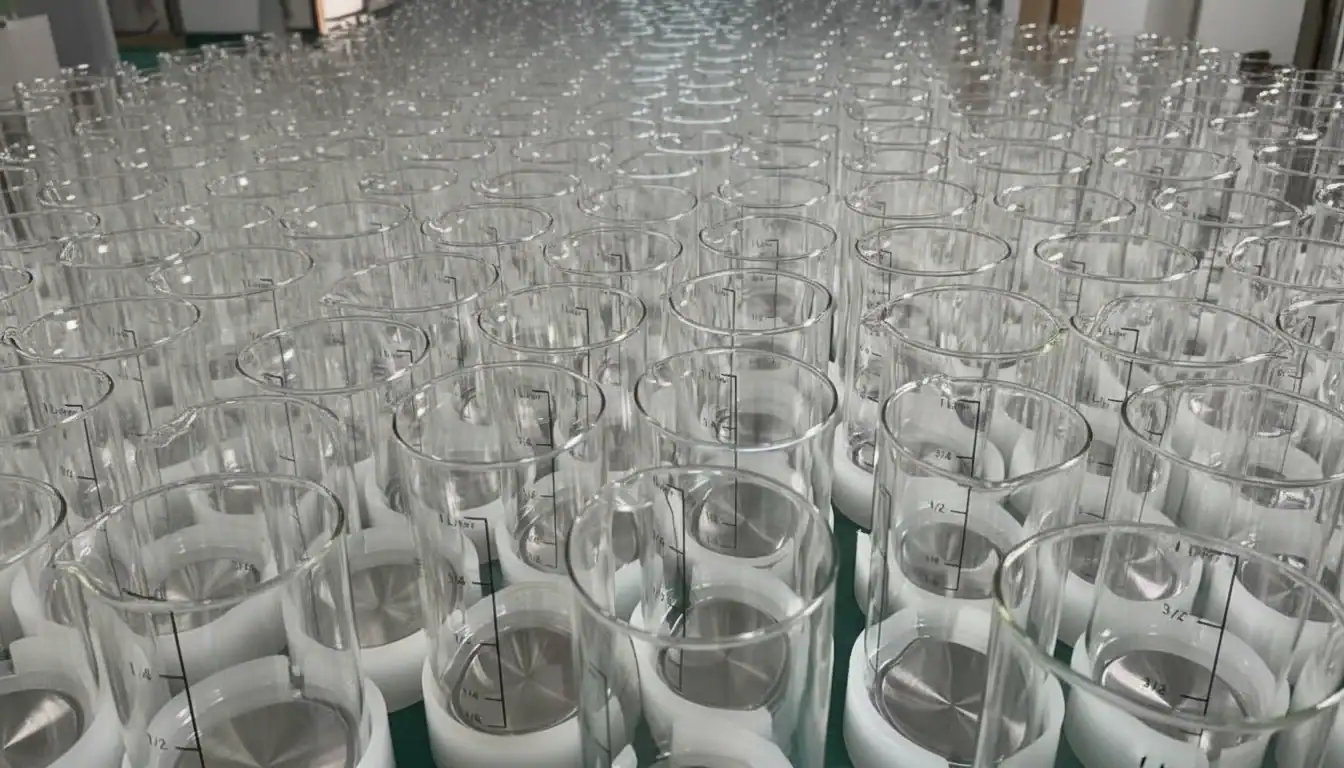
Why Do Pediatricians Recommend Glass Over Plastics for Boiling Formula?
High temperatures accelerate polymer degradation in standard plastics, making chemically inert high borosilicate glass the only reliable material for zero-leach infant formula preparation during travel.
Elimination of Microplastics and Chemical Leaching
Pediatricians strictly advise against heating plastics, as extreme heat accelerates polymer degradation. This degradation process releases microplastics and harmful chemical compounds directly into baby formula. As medical bodies update health guidelines for 2026, they increasingly prioritize completely inert materials for infant feeding applications.
| Material Type | Thermal Degradation Point | Chemical Leaching Risk (At 100°C) |
|---|---|---|
| Standard ABS/PC Plastics | 80°C – 105°C | High (Microplastics Release) |
| Food-Grade Silicone | ~220°C | Moderate (Over repeated cycles) |
| High Borosilicate Glass (SM400) | >500°C | Zero (Chemically Inert) |
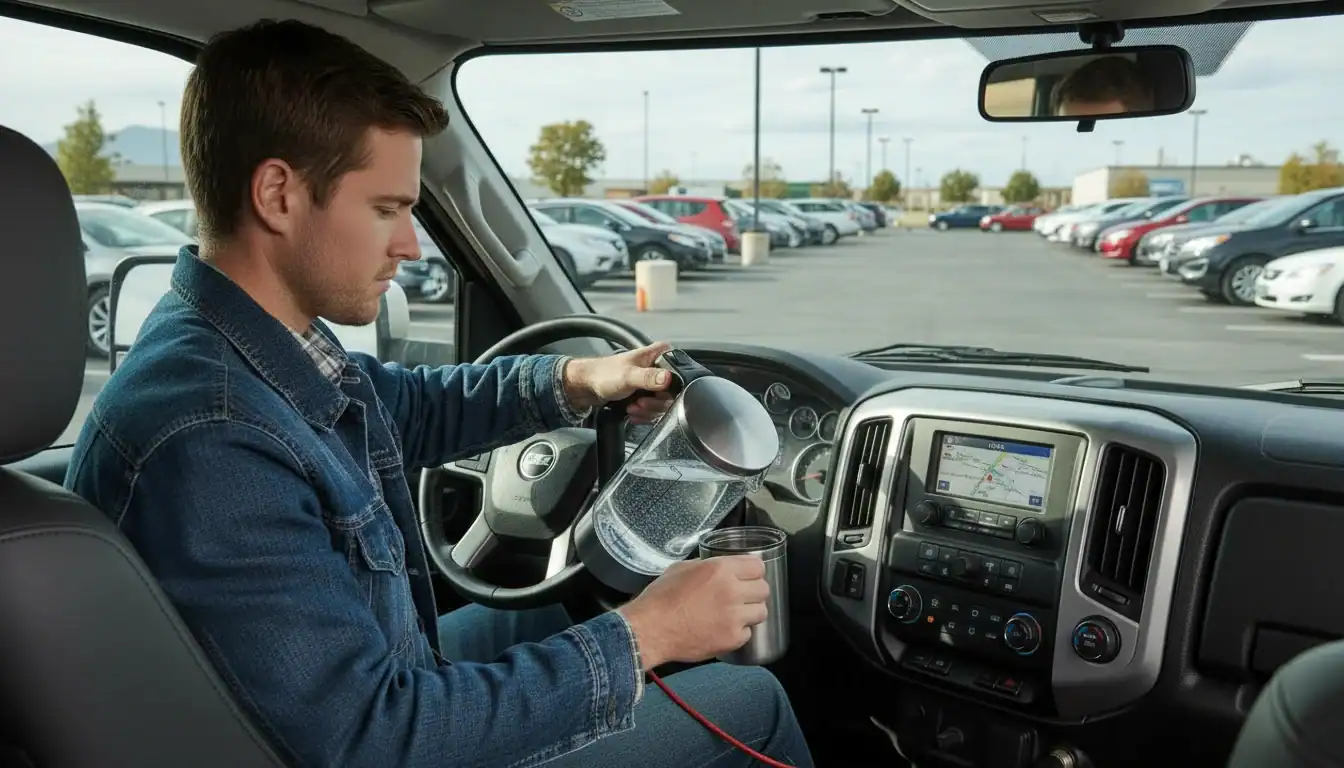
High borosilicate glass remains chemically inert even at rolling boil temperatures. KelyLands addresses this updated clinical standard by engineering the SM400 high borosilicate glass car kettle series, equipping parents with a safe, zero-leach boiling solution for on-the-go formula preparation.
High Thermal Shock Resistance During Boiling
Standard plastics frequently warp and lose their structural integrity after parents run repeated boiling cycles. High borosilicate glass handles extreme temperature shifts from freezing conditions to rolling boils without cracking or degrading over time.
Medical professionals favor this physical stability because it ensures consistent water preparation without compromising the container itself. We specifically integrate this premium glass into our 12V/24V OEM kettles to guarantee complete structural safety during long road trips and unpredictable environments.
Simple Sterilization and Residue Prevention
Plastic surfaces easily develop micro-scratches over time from daily use and cleaning. These microscopic abrasions trap milk residue and create active breeding grounds for dangerous bacterial growth. Glass offers a completely smooth, non-porous surface that parents can rapidly clean and sterilize.
This inherent physical trait prevents the hidden bacterial accumulation common in older plastic containers. By equipping our SM400 12V/24V car kettles with medical-grade glass, KelyLands enables users to maintain clinical-level hygiene protocols anywhere they travel.
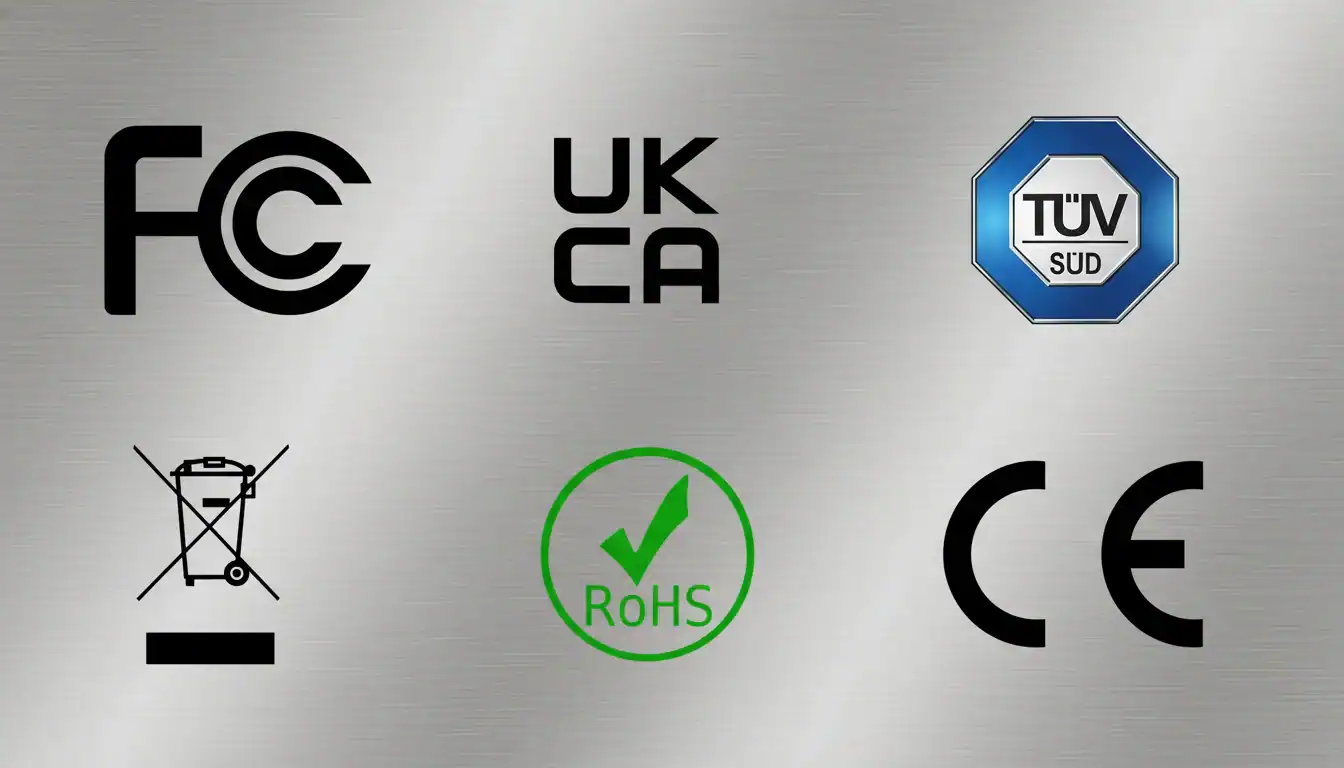
Can the Glass Kettle Be Sterilized Using Hospital-Grade UV or Steam?
High borosilicate glass and non-porous engineering allow our SM400 travel kettles to withstand both 134°C steam autoclaving and targeted UV disinfection without material degradation.
Steam Autoclaving and Thermal Shock Resistance
Hospital-grade steam sterilization applies saturated steam at 121-134°C under precise pressure to destroy bacteria and pathogens. This method remains the standard for sanitizing baby safety products. To survive these intense temperature shifts, travel kettles require exceptional material stability.
We utilize high borosilicate glass in our KelyLands SM400 series to deliver the exact thermal shock resistance needed for aggressive sterilization. Our quality control teams test every unit for thermal resilience, verifying that the glass body maintains strict structural integrity through repeated high-temperature cycles.
UV Sterilization for Low-Temperature Disinfection
Ultraviolet light dismantles microbial DNA without applying heat, serving as a highly effective low-temperature alternative for sanitizing external components and travel accessories. While steam autoclaving manages deep core sterilization, UV systems give parents a rapid, dry method to sanitize travel kettles on the road.
To maximize this process, our OEM engineering team designs smooth, non-porous surfaces across all 12V and 24V kettles. This specific surface architecture ensures optimal UV light exposure and eliminates microscopic shadow areas where bacteria typically accumulate.
Material Engineering for Repeated Sterilization Cycles
Producing kettles capable of surviving continuous hospital-grade sterilization demands strict material selection and rigorous manufacturing oversight. KelyLands builds these units using premium, food-safe materials to prevent degradation under intense heat. Our manufacturing framework includes:
- LFGB-certified high borosilicate glass that ensures zero chemical leaching during 134°C steam cycles.
- High-temperature Bakelite plugs that resist melting and maintain structural safety during repeated thermal exposure.
- A strict triple-layer inspection process (IQC, PQC, FQC) that validates the physical endurance of all sealing mechanisms.
B2B clients developing baby-safe travel appliances rely on our bulk manufacturing infrastructure to specify exact glass thickness and durability parameters tailored to their target markets.
Source Safe High-Margin 12V/24V Car Kettles
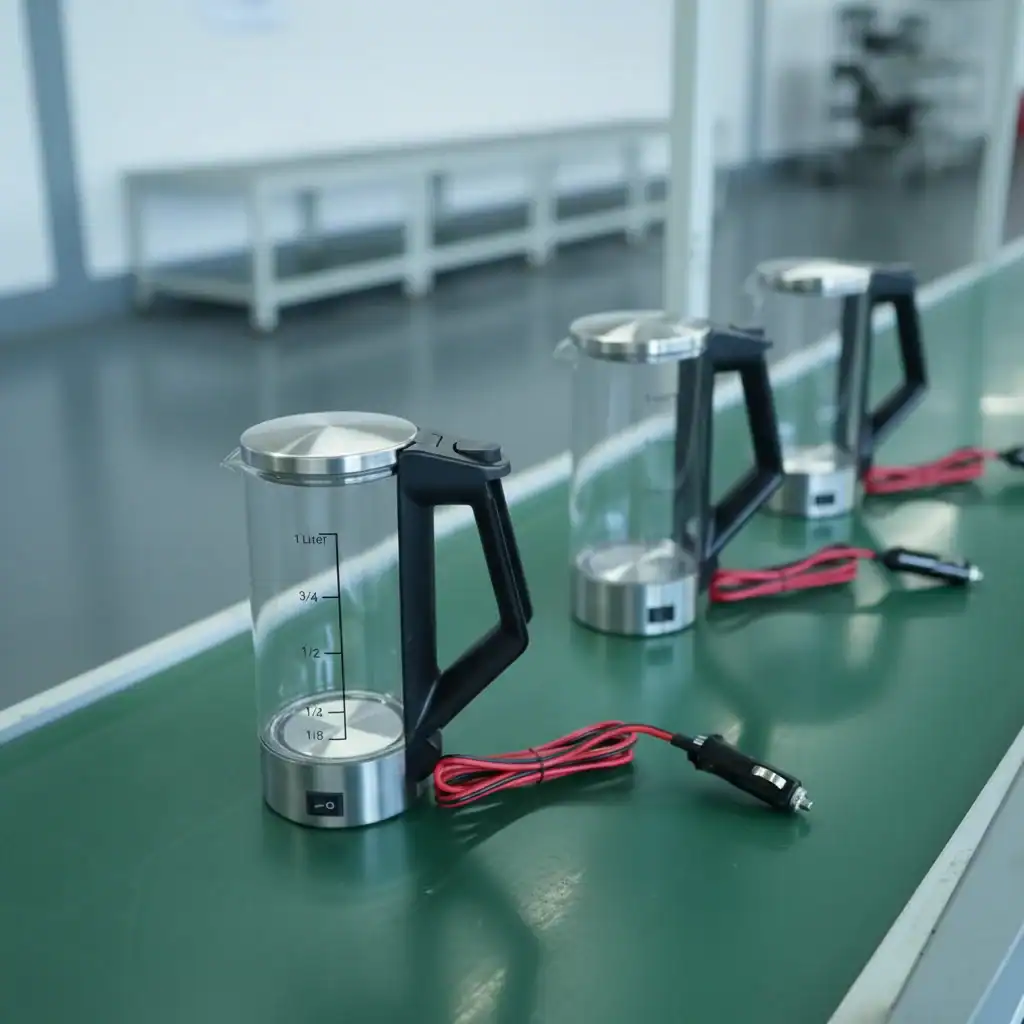
Does the Control Board Feature a Precise 40°C “Warm Milk” Setting?
Precise 40°C low-temperature control requires custom PCB engineering and dedicated thermal probes, an OEM upgrade we integrate specifically to help B2B buyers capture the high-margin infant travel market.
Current Market Limitations for Formula Temperature
Our 2026 market analysis of baby-safe travel kettles reveals a persistent gap in low-temperature accuracy. Most control boards prioritize boiling and high-heat presets, typically ranging from 60°C to 100°C (140°F to 212°F). Standard portable models lack a precise 40°C option, forcing end-users to estimate water temperature when cooling boiled water for immediate infant feeding. This missing functionality in mainstream designs presents a direct opportunity for wholesale buyers to develop specialized units catering exclusively to parents traveling with infants.
| Technical Aspect | Standard Market Models | KelyLands Custom OEM |
|---|---|---|
| Low-Temperature Setting | Limited (Starts at 60°C/140°F) | Precise 40°C “Warm Milk” Preset |
| PCB Architecture | Generic mass-market control board | Custom-engineered with LED interface |
| Thermal Hardware | Standard base thermostat | Sensitive real-time temperature probe |
Custom OEM Integration of Precise 40°C Controls
Our engineering team at KelyLands designs custom control boards tailored to specific brand requirements. We program exact 40°C presets directly into the microcontrollers of our 12V and 24V car kettles to actively fill this market gap. B2B clients maintain full control over the interface layout. We integrate dedicated buttons or digital LED displays specifically mapped to the low-temperature “Warm Milk” function, ensuring a seamless user experience. We manage the entire OEM development lifecycle for bulk orders, scaling from prototyping the internal circuitry to finalizing the customized outer housing.
Hardware Support for Temperature Accuracy
Achieving a stable 40°C threshold requires highly accurate thermal hardware. We install sensitive temperature probes directly inside our High Borosilicate Glass kettles to monitor water heat in real-time, preventing the thermal overshoot common in cheaper models. The proprietary KelyLands “Triple Safeguard” system actively manages power distribution during the heating cycle. It cuts power instantly the moment the water reaches the exact low-heat target.
- Real-Time Monitoring: Internal probes calibrate the exact 40°C shut-off point to prevent overheating.
- Active Power Management: The Triple Safeguard system safely controls 150W/250W continuous loads during low-heat cycles.
- Rigorous QA Testing: A triple-layer inspection process verifies hardware calibration across all bulk production units.
We strictly test every unit through this rigorous inspection pipeline. This guarantees the 40°C setting functions safely and consistently across all standard bulk production runs, protecting both end-users and the buyer’s brand reputation.
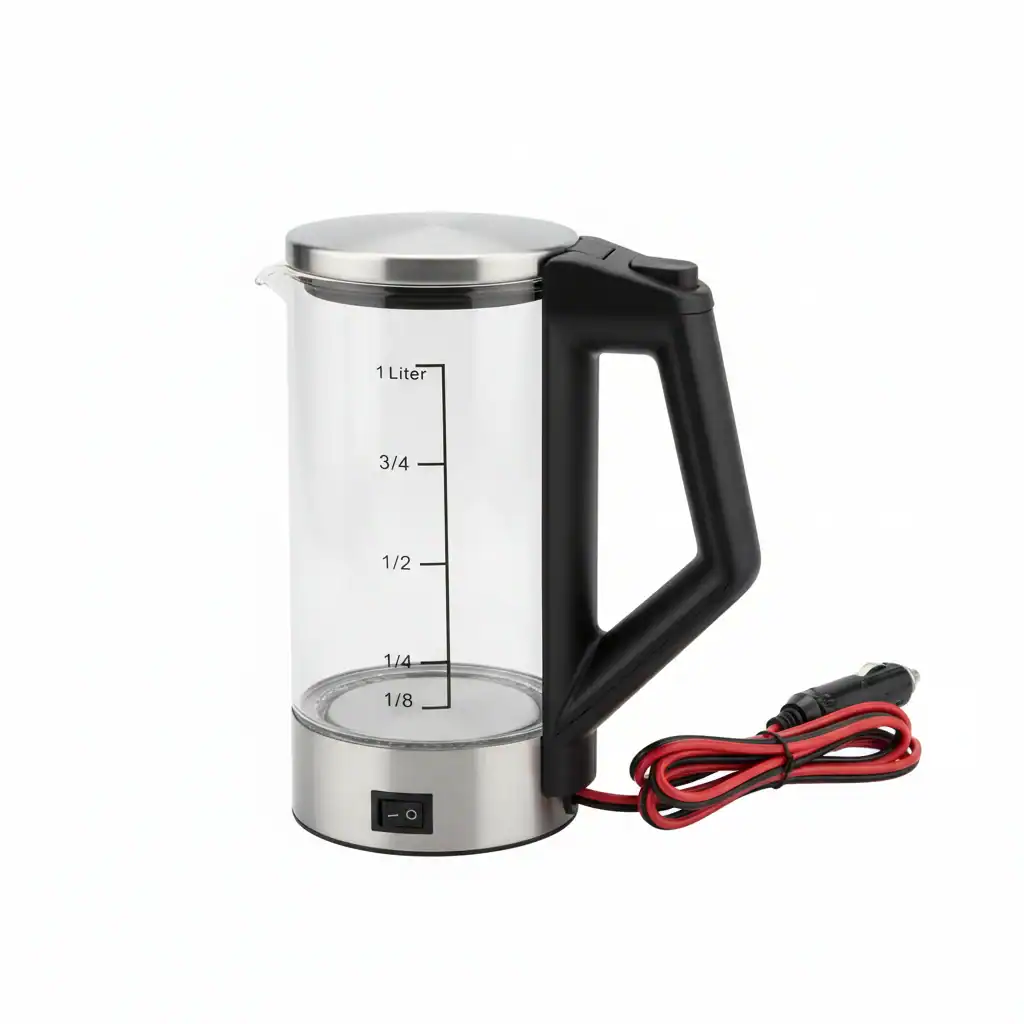
How Can Our Factory Assist With Your FDA Baby Product Registration?
Navigating FDA compliance requires strict adherence to mandatory facility registration and 90-day pre-market notifications, ensuring your infant products meet all regulatory benchmarks before commercial distribution.
Facility Registration Under the Bioterrorism Act
KelyLands actively guides B2B clients through the mandatory facility registration processes required by the FDA for baby products. We manage the exact documentation needed for facility registration under Section 412 of the Federal Food, Drug, and Cosmetic Act. Our compliance team verifies your production setup aligns completely with the stipulations of the Bioterrorism Act of 2002 before you initiate commercial distribution.
| Regulatory Requirement | FDA Standard | KelyLands Factory Action |
|---|---|---|
| Facility Registration | Section 412 & Bioterrorism Act | Full documentation & annual facility audit preparation |
| Pre-Market Notification | 90-day prior submission | Form 3978 preparation & technical data supply |
| Processing Standards | Current GMPs & Quality Control | Triple-layer inspection & material validation integration |
Compliance With Quality Control and Processing Standards
Our factories build rigorous quality checks directly into the manufacturing process to meet FDA processing standards. We maintain strict processing protocols, applying a Triple-layer inspection system to verify safety and material integrity on the production line. Our engineers validate these processing standards continuously, ensuring products like our SM400 High Borosilicate Glass kettles meet the exact thermal requirements for boiling infant formula safely without chemical leaching.
Managing FDA Form 3978 Submissions and Labeling
We supply the precise technical data required to streamline your 90-day pre-market notifications and product labeling. Our comprehensive OEM support framework accelerates your time-to-market through targeted regulatory assistance:
- We provide accurate material specifications to help you submit FDA Form 3978 without delays.
- Our OEM design team aligns your packaging and product branding completely with strict FDA labeling requirements for baby products.
- We deliver direct validation reports confirming our food-grade stainless steel and borosilicate glass components meet all safety benchmarks.
Conclusion
Selecting high borosilicate glass for travel kettles ensures zero chemical leaching and safely supports high-temperature sterilization. Pairing this material with precise 40-degree temperature controls gives baby brands a reliable solution for preparing infant formula on the road. Navigating FDA registration with an experienced OEM partner further protects your brand liability and builds immediate trust with parents.
Review your current product lineup to ensure it meets strict infant safety standards. Contact our engineering team to discuss custom OEM configurations, request a glass kettle sample, or examine our compliance documentation.
Frequently Asked Questions
Is glass the safest material for a baby safe travel kettle?
Yes, high borosilicate glass is widely considered the safest material for baby-safe travel kettles. Unlike standard plastics, glass is naturally free of BPA, BPS, and other endocrine-disrupting chemicals. It does not leach harmful microplastics or toxins when exposed to boiling temperatures, and it provides a non-porous surface that resists bacterial buildup and lingering odors, ensuring the purest water for infant formula.
Can the travel kettle maintain exactly 40 degrees for formula?
Yes, premium baby travel kettles are equipped with precision NTC (Negative Temperature Coefficient) smart thermostats that allow for exact temperature control. By selecting the 40°C (104°F) setting, the kettle quickly reaches and sustains the ideal, pediatrician-recommended temperature for mixing formula, preventing the degradation of heat-sensitive nutrients and ensuring the milk is immediately safe for your baby to consume.
Does the factory have FDA certifications for infant products?
Yes, reputable manufacturing facilities producing infant-grade travel kettles maintain strict compliance with FDA food-contact safety standards. Additionally, these factories typically hold ISO 9001 quality management certifications and undergo rigorous third-party testing by accredited organizations like SGS or TÜV Rheinland to guarantee all components are 100% food-grade and certified safe for infant use.
Are there any hidden plastics that touch the boiling water?
In true baby-safe travel kettles, there are zero hidden plastics in the water contact zone. The interior construction utilizes a seamless 316L medical-grade stainless steel heating plate fused directly to a high borosilicate glass body. Any required sealing rings are manufactured from food-grade, high-temperature silicone rather than plastic, ensuring that boiling water never comes into contact with materials that could leach microplastics.

 English
  Español
  Français
  Deutsch
  Português do Brasil
  Русский
  한국어
한국어  日本語
日本語  العربية